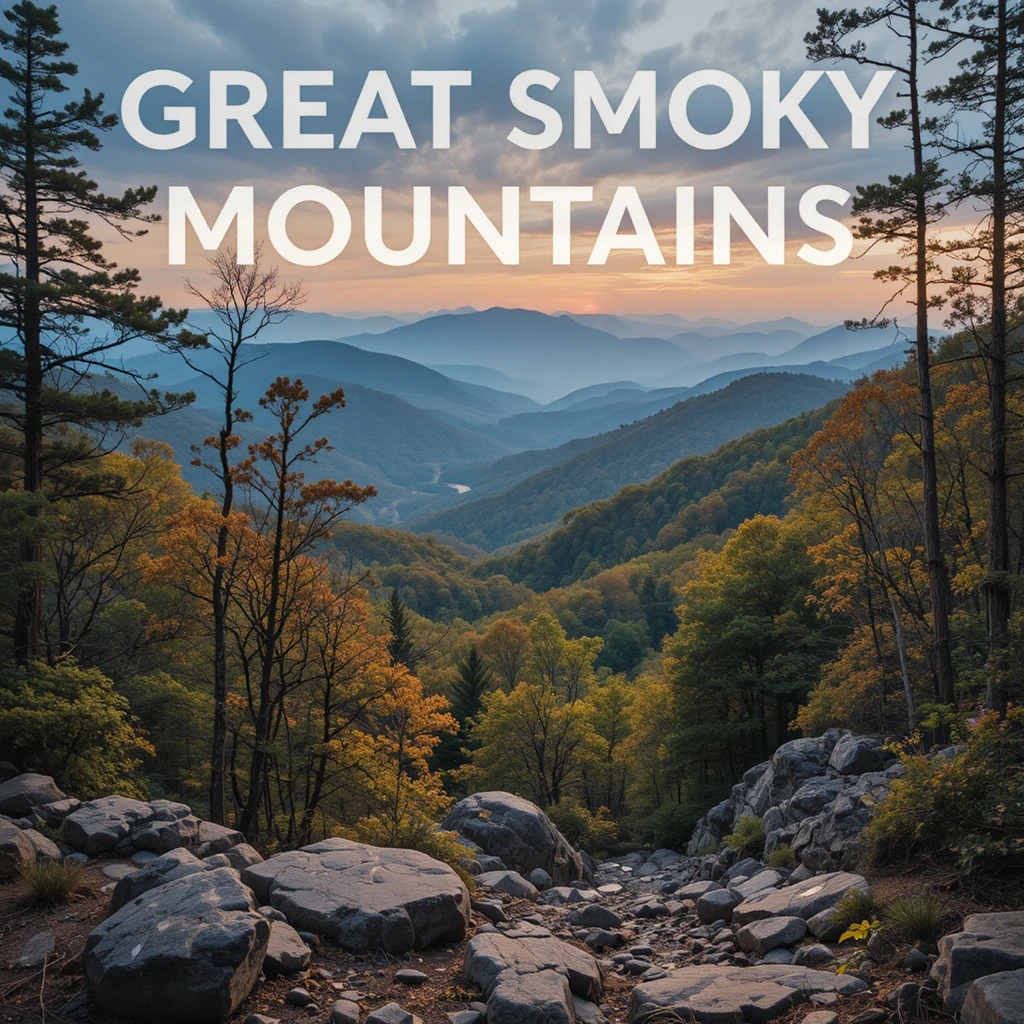
The Great Smoky Mountains Guide is your complete resource for planning an unforgettable visit to America’s most visited national park. Stretching across eastern Tennessee and western North Carolina, the Great Smoky Mountains offer breathtaking mountain views, ancient forests, cascading waterfalls, scenic drives, diverse wildlife, and hundreds of miles of hiking trails. Whether you’re visiting for a weekend getaway or a week-long adventure, this guide covers everything you need to know before you go.
From colorful wildflowers in spring to vibrant fall foliage and peaceful winter landscapes, every season brings something unique to the Smokies. Families, couples, solo travelers, photographers, hikers, and wildlife lovers all find endless opportunities to explore this incredible destination. This Great Smoky Mountains Guide will help you discover the best attractions, hidden gems, travel tips, accommodations, and outdoor adventures to make your trip memorable.
Why Visit Great Smoky Mountains National Park?
Great Smoky Mountains National Park is America’s most visited national park for several reasons:
- Free entrance with no admission fee
- More than 800 miles of hiking trails
- Beautiful mountain scenery
- Historic cabins and settlements
- Abundant wildlife
- Stunning waterfalls
- Scenic mountain roads
- Family-friendly activities
- Excellent camping opportunities
- Incredible fall foliage
Every visit offers something different depending on the season.
Where Are the Great Smoky Mountains?
The Great Smoky Mountains lie along the border of Tennessee and North Carolina.
Major gateway towns include:
- Gatlinburg, Tennessee
- Pigeon Forge, Tennessee
- Townsend, Tennessee
- Cherokee, North Carolina
The park covers over 520,000 acres, making it one of the largest protected natural areas in the eastern United States.
History of Great Smoky Mountains National Park
Before becoming a national park, the Smoky Mountains were home to Native American communities, especially the Cherokee people.
European settlers later established small farming communities throughout the mountains. Today, many historic buildings remain preserved inside the park.
The park officially became a National Park in 1934 and later earned designation as:
- UNESCO World Heritage Site
- International Biosphere Reserve
Its rich biodiversity makes it one of the world’s most important protected ecosystems.
Best Time to Visit Great Smoky Mountains
Choosing the best season depends on your interests.
Spring (March–May)
Spring brings colorful wildflowers, fresh greenery, waterfalls at peak flow, and mild temperatures.
Highlights include:
- Wildflower blooms
- Scenic drives
- Waterfalls
- Birdwatching
Average temperatures:
- 50°F–75°F
Summer (June–August)
Summer is the busiest season.
Visitors enjoy:
- Hiking
- Camping
- Fishing
- Wildlife viewing
- Ranger programs
Temperatures:
- 70°F–90°F
Mountain elevations remain cooler.
Fall (September–November)
Many travelers consider autumn the best season.
Reasons include:
- Spectacular fall foliage
- Comfortable weather
- Photography opportunities
- Scenic drives
Peak leaf colors usually occur from mid-October through early November.
Winter (December–February)
Winter offers peaceful landscapes with fewer visitors.
Activities include:
- Snow photography
- Wildlife spotting
- Quiet hiking
- Scenic overlooks
Some roads may temporarily close because of snow.
How to Get to Great Smoky Mountains National Park
The nearest airports include:
- McGhee Tyson Airport (Knoxville)
- Asheville Regional Airport
- Chattanooga Metropolitan Airport
Most visitors drive to the park.
Popular entrances:
- Gatlinburg Entrance
- Townsend Entrance
- Cherokee Entrance
Having your own vehicle provides the greatest flexibility.
Park Entrance Fees
One unique feature of the Smokies is that there is no entrance fee.
However, visitors parking for more than 15 minutes must purchase a parking tag.
Parking options include:
- Daily
- Weekly
- Annual
Always check current parking regulations before your trip.
Weather in the Great Smoky Mountains
Mountain weather changes quickly.
Conditions can vary dramatically between lower valleys and higher elevations.
Tips:
- Bring layered clothing.
- Carry rain gear.
- Wear sturdy hiking shoes.
- Check forecasts before hiking.
Higher elevations are often 10–20°F cooler than nearby towns.
Best Scenic Drives
The Smokies feature some of America’s most beautiful mountain roads.
Newfound Gap Road
One of the park’s most famous drives.
Highlights:
- Mountain overlooks
- Wildlife
- Forest scenery
- Newfound Gap
- Clingmans Dome access
Length:
Approximately 33 miles.
Cades Cove Loop Road
A must-see destination.
Visitors enjoy:
- Historic cabins
- Wildlife
- Churches
- Open valleys
- Black bear sightings
Length:
11-mile one-way scenic loop.
Allow at least 3–4 hours.
Roaring Fork Motor Nature Trail
Perfect for visitors seeking waterfalls and historic sites.
You’ll find:
- Old cabins
- Streams
- Forests
- Waterfalls
The narrow road is best suited for smaller vehicles.
Foothills Parkway
Offers spectacular panoramic mountain views.
Especially beautiful during:
- Sunrise
- Sunset
- Fall colors
Attractions in Great Smoky Mountains National Park
The Smoky Mountains are filled with unforgettable attractions that showcase the park’s natural beauty, history, and biodiversity. Whether you’re visiting for the first time or returning for another adventure, these are the must-see places you shouldn’t miss.
Clingmans Dome
Clingmans Dome is the highest point in Great Smoky Mountains National Park, standing at 6,643 feet (2,025 meters). It offers breathtaking 360-degree panoramic views from the observation tower.
Highlights
- Highest peak in the park
- Observation tower with panoramic views
- Beautiful sunrise and sunset
- Cooler summer temperatures
- Easy paved trail to the summit
Tip: Visit early in the morning to avoid crowds and enjoy clearer views.
Cades Cove
Cades Cove is one of the park’s most popular destinations. This broad valley combines history, wildlife, and stunning scenery in one place.
Things to See
- Historic churches
- Pioneer cabins
- Working grist mill
- Scenic mountain views
- Black bears
- White-tailed deer
- Wild turkeys
Cyclists can also enjoy vehicle-free mornings on select days during the warmer months.
Newfound Gap
Located on the Tennessee–North Carolina border, Newfound Gap is one of the park’s most scenic viewpoints.
Why Visit
- Incredible mountain vistas
- Historic Rockefeller Memorial
- Appalachian Trail crossing
- Excellent photography opportunities
- Cooler temperatures year-round
Roaring Fork Motor Nature Trail
This one-way scenic drive takes visitors through dense forests, rushing streams, and preserved historic buildings.
Highlights include:
- Mountain streams
- Historic cabins
- Waterfalls
- Wildlife sightings
- Quiet picnic spots
Oconaluftee Visitor Center
Located near Cherokee, North Carolina, this visitor center is an excellent place to begin your adventure.
You’ll find:
- Park information
- Interactive exhibits
- Historical farm buildings
- Gift shop
- Restrooms
- Ranger programs
Elk are frequently seen grazing nearby during the early morning and evening.
Best Hiking Trails in Great Smoky Mountains
With more than 800 miles of hiking trails, there is something for every skill level.
Alum Cave Trail
Distance: 5 miles round trip (to Alum Cave Bluffs)
Difficulty: Moderate
Highlights:
- Arch Rock
- Alum Cave Bluffs
- Mountain views
- Forest scenery
Many hikers continue to Mount LeConte from here.
Rainbow Falls Trail
Distance: 5.4 miles round trip
Difficulty: Moderate to strenuous
Highlights:
- 80-foot waterfall
- Moss-covered forest
- Spring wildflowers
- Rainbow effect on sunny mornings
Andrews Bald Trail
Distance: 3.6 miles round trip
Difficulty: Easy to moderate
Perfect for:
- Families
- Wildflower lovers
- Mountain views
- Picnics
Chimney Tops Trail
Distance: 3.8 miles round trip
Difficulty: Strenuous
Known for:
- Steep climb
- Amazing panoramic views
- Beautiful rock formations
Visitors should stay within designated viewing areas for safety.
Laurel Falls Trail
Distance: 2.6 miles round trip
Difficulty: Easy
One of the most family-friendly hikes in the park.
Features:
- Paved trail
- Beautiful waterfall
- Accessible route
- Great for beginners
Abrams Falls Trail
Distance: 5 miles round trip
Difficulty: Moderate
Although Abrams Falls is only about 20 feet high, it has an impressive volume of water.
Swimming is strongly discouraged because of dangerous currents.
Best Waterfalls in Great Smoky Mountains
The park contains more than 100 waterfalls.
Laurel Falls
- 80 feet tall
- Easy hike
- Most photographed waterfall
- Family-friendly
Rainbow Falls
- Tallest single-drop waterfall in the park
- Spectacular after rainfall
- Beautiful in every season
Abrams Falls
Known for:
- Powerful flow
- Scenic surroundings
- Moderate hiking trail
Grotto Falls
One of the few waterfalls in the park where visitors can walk behind the falling water.
Distance:
2.6 miles round trip
Hen Wallow Falls
A quieter waterfall for visitors looking to avoid crowds.
Features:
- Peaceful forest
- Wildflowers
- Moderate hike
Wildlife in Great Smoky Mountains
The Smokies are famous for their incredible biodiversity.
Visitors commonly see:
Mammals
- Black bears
- White-tailed deer
- Elk
- Coyotes
- Bobcats
- Red foxes
- Raccoons
Birds
- Wild turkey
- Peregrine falcon
- Woodpeckers
- Owls
- Hawks
Amphibians
The park is often called the “Salamander Capital of the World”, with more than 30 salamander species.
Bear Safety Tips
Black bears are one of the park’s biggest attractions, but visitors should always respect wildlife.
Safety Guidelines
- Stay at least 50 yards away.
- Never feed bears.
- Store food properly.
- Carry bear-resistant containers while camping.
- Do not approach bears for photos.
- If you encounter a bear, remain calm and slowly back away.
Best Places for Wildlife Viewing
Excellent wildlife viewing locations include:
- Cades Cove
- Cataloochee Valley
- Oconaluftee
- Roaring Fork
- Newfound Gap Road
The best viewing times are:
- Early morning
- Late evening
Camping in Great Smoky Mountains
Camping is one of the best ways to experience the park.
Popular campgrounds include:
Elkmont Campground
Best for:
- Families
- Hiking access
- River views
Cades Cove Campground
Perfect for:
- Wildlife lovers
- Historic sites
- Scenic drives
Smokemont Campground
Located near Cherokee.
Popular for:
- Fishing
- Hiking
- Quiet surroundings
Cosby Campground
Known for:
- Peaceful atmosphere
- Fewer crowds
- Excellent hiking trails
Backcountry Camping
Adventure seekers can explore more than 100 designated backcountry campsites.
Permits are required for overnight backcountry camping.
Backcountry campers should:
- Carry a map
- Pack sufficient water
- Use bear-proof food storage
- Follow Leave No Trace principles
Best Photography Locations
Photographers love the Smokies for their changing light, misty mountains, and abundant wildlife.
Top photography spots include:
- Clingmans Dome
- Cades Cove
- Morton Overlook
- Newfound Gap
- Laurel Falls
- Oconaluftee Valley
- Foothills Parkway
- Cataloochee Valley
Golden hour provides the best lighting for landscape photography.
Hidden Gems in Great Smoky Mountains National Park
While popular attractions receive thousands of visitors every year, the Smokies also have many peaceful hidden gems where travelers can enjoy nature away from large crowds.
Cataloochee Valley
Cataloochee Valley is one of the most beautiful and less crowded areas of the park.
Visitors can enjoy:
- Historic buildings
- Mountain scenery
- Wild elk viewing
- Peaceful hiking trails
- Photography opportunities
Early morning and evening are the best times to spot elk and other wildlife.
Deep Creek Area
Located near Bryson City, North Carolina, Deep Creek is famous for:
- Waterfalls
- Hiking trails
- Mountain streams
- Tubing adventures
Popular waterfalls include:
- Tom Branch Falls
- Indian Creek Falls
- Juney Whank Falls
Little River Road
This scenic road follows the Little River and offers:
- Beautiful forest views
- Picnic areas
- River access
- Multiple hiking opportunities
It is especially beautiful during autumn.
Best Things to Do in Great Smoky Mountains
The Smokies offer activities for every type of traveler.
Hiking
Hiking remains the most popular activity in the park.
Options range from easy family walks to challenging mountain climbs.
Best beginner hikes:
- Laurel Falls Trail
- Andrews Bald Trail
- Gatlinburg Trail
Best challenging hikes:
- Mount LeConte
- Chimney Tops
- Appalachian Trail sections
Scenic Driving
Travelers who prefer a relaxed experience can enjoy scenic drives such as:
- Cades Cove Loop Road
- Newfound Gap Road
- Roaring Fork Motor Trail
- Foothills Parkway
These routes provide incredible views without requiring long hikes.
Fishing
The Great Smoky Mountains are a paradise for anglers.
The park contains:
- More than 2,000 miles of streams
- Native trout populations
- Beautiful mountain rivers
Common fish include:
- Brook trout
- Rainbow trout
- Brown trout
A valid fishing license is required.
Horseback Riding
Several riding stables near the park offer guided horseback adventures.
Popular locations include:
- Cades Cove
- Smokemont
- Sugarlands area
It is a great way to experience mountain landscapes.
Cycling
Cycling is allowed on some park roads.
Popular cycling routes:
- Cades Cove Loop
- Tremont Road
- Greenbrier Road
Vehicle-free cycling mornings in Cades Cove are especially popular.
Family-Friendly Activities
The Great Smoky Mountains are perfect for family vacations.
Top family activities include:
- Easy waterfall hikes
- Wildlife viewing
- Picnic areas
- Visitor centers
- Ranger programs
- Scenic drives
- Junior Ranger activities
Children can learn about nature, wildlife, and mountain history through educational programs.
Best Picnic Areas
Enjoying a picnic surrounded by mountains is one of the best Smokies experiences.
Popular picnic locations include:
Metcalf Bottoms
Features:
- River views
- Family-friendly spaces
- Historic sites nearby
Cades Cove Picnic Area
Perfect for:
- Scenic views
- Wildlife watching
- Relaxing breaks
Chimneys Picnic Area
Located near the Little River.
Great for:
- Water views
- Photography
- Group visits
Nearby Towns to Visit
The towns surrounding the park provide accommodation, dining, shopping, and entertainment.
Gatlinburg, Tennessee
Gatlinburg is the most popular gateway town.
Visitors enjoy:
- Restaurants
- Hotels
- Shops
- Attractions
- Easy park access
It is ideal for first-time visitors.
Pigeon Forge, Tennessee
Pigeon Forge is famous for:
- Family entertainment
- Shows
- Restaurants
- Shopping
- Resorts
It is a popular choice for families traveling with children.
Cherokee, North Carolina
Cherokee offers:
- Native American history
- Cultural attractions
- Elk viewing
- Scenic mountain landscapes
It provides a quieter alternative to Tennessee gateway towns.
Where to Stay Near Great Smoky Mountains
Accommodation options include:
Hotels and Resorts
Best locations:
- Gatlinburg
- Pigeon Forge
- Cherokee
Suitable for travelers who prefer comfort and convenience.
Cabins
Mountain cabins are extremely popular.
Benefits include:
- Privacy
- Mountain views
- Fireplaces
- Hot tubs
- Family space
Camping
For nature lovers:
- Front-country camping
- Backcountry camping
- RV camping
are excellent options.
Food and Dining Near the Park
Visitors can enjoy a variety of local foods.
Popular choices include:
- Southern barbecue
- Country breakfasts
- Fresh trout dishes
- Homemade desserts
- Appalachian cuisine
Gatlinburg and Pigeon Forge offer many restaurants for every budget.
Great Smoky Mountains Travel Budget
Your trip cost depends on your travel style.
Budget Trip
Estimated daily cost:
- Camping: Low cost
- Simple meals
- Free hiking activities
Mid-Range Trip
Includes:
- Hotels
- Restaurants
- Paid attractions
- Guided activities
Luxury Trip
Includes:
- Premium cabins
- Fine dining
- Private experiences
The park itself is budget-friendly because there is no entrance fee.
What to Pack for Great Smoky Mountains
Essential items include:
Clothing
- Comfortable hiking shoes
- Rain jacket
- Warm layers
- Hat and sunglasses
Hiking Gear
- Backpack
- Water bottle
- Trail map
- First aid kit
Photography
- Camera
- Extra batteries
- Tripod
Safety Items
- Insect repellent
- Sunscreen
- Bear safety supplies
Important Travel Tips
Start Early
Popular areas become crowded quickly, especially during:
- Summer
- Fall foliage season
- Holiday weekends
Check Road Conditions
Mountain roads may close because of:
- Snow
- Storm damage
- Maintenance
Always check updates before traveling.
Respect Nature
Follow Leave No Trace principles:
- Do not litter
- Stay on trails
- Protect wildlife
- Avoid disturbing plants
Bring Cash and Supplies
Some remote areas have limited services.
Carry:
- Snacks
- Water
- Fuel
- Emergency supplies
For most travelers, the best overall time to visit is:
Best Time for First-Time Visitors
Fall (October–early November)
Reasons:
- Beautiful autumn colors
- Comfortable temperatures
- Great photography
- Scenic drives
However, spring and summer also offer excellent experiences.
Conclusion
The Great Smoky Mountains Guide provides everything travelers need to explore one of America’s most spectacular natural destinations. From peaceful forests and breathtaking mountain views to waterfalls, wildlife, historic communities, and unforgettable hiking trails, the Smokies offer endless adventures for every visitor.
Whether you want a relaxing scenic drive, an exciting outdoor adventure, a family vacation, or a photography journey, Great Smoky Mountains National Park delivers incredible experiences throughout the year. Careful planning, respect for nature, and choosing the right activities will help you create memories that last a lifetime.
The Great Smoky Mountains are more than just a destination—they are a place where nature, history, and adventure come together in one remarkable landscape.
Frequently Asked Questions
What is the best time to visit Great Smoky Mountains National Park?
The best time to visit Great Smoky Mountains National Park depends on your interests. Fall is considered the most popular season because of colorful foliage, while spring offers wildflowers and waterfalls. Summer is best for outdoor activities, and winter provides peaceful mountain views with fewer crowds.
How many days do you need in the Great Smoky Mountains?
A trip of 3 to 5 days is ideal for experiencing the main attractions, scenic drives, hiking trails, waterfalls, and wildlife areas. A longer visit allows more time for exploring hidden gems and backcountry trails.
Are there bears in Great Smoky Mountains National Park?
Yes, black bears live throughout the park. Visitors should maintain a safe distance, never feed wildlife, and properly store food while camping. Seeing a bear from a distance is one of the most memorable Smokies experiences.
Bryce Canyon Travel Guide: The Ultimate Visitor’s Guide for 2026
