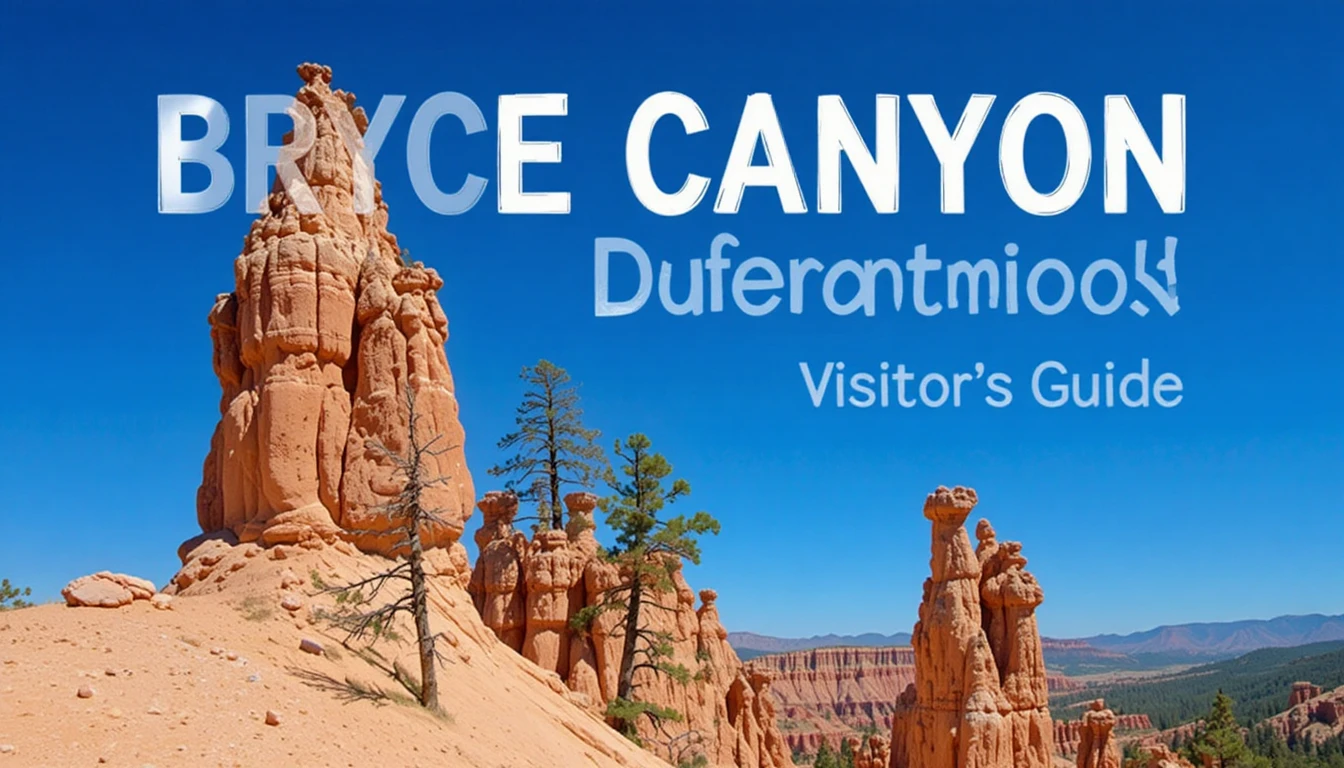
Planning a trip to one of America’s most breathtaking national parks? This Bryce Canyon Travel Guide has everything you need to enjoy an unforgettable adventure in southern Utah. Famous for its colorful rock formations, scenic overlooks, incredible hiking trails, and some of the darkest night skies in North America, Bryce Canyon National Park is a dream destination for nature lovers, photographers, hikers, and families alike.
Whether you’re visiting for a single day or spending an entire week exploring the park, this Bryce Canyon Travel Guide will help you plan every detail of your trip. From the best time to visit and top attractions to hiking trails, camping, lodging, photography spots, wildlife, and practical travel tips, this guide covers everything you need to know before you go.
Table of Contents
- Why Visit Bryce Canyon National Park?
- Where is Bryce Canyon?
- History of Bryce Canyon
- Interesting Facts
- Best Time to Visit
- How to Get There
- Entrance Fees
- Park Hours
- Weather by Season
- Best Things to Do
- Top Viewpoints
- Best Hiking Trails
- Scenic Drive
- Wildlife
- Photography Tips
- Stargazing
- Camping
- Best Lodges
- Nearby Towns
- What to Pack
- Safety Tips
- One-Day Itinerary
- Two-Day Itinerary
- Budget Guide
- Family Travel Tips
- Accessibility
- Sustainable Travel
- Final Thoughts
- FAQs
Why Visit Bryce Canyon National Park?
Bryce Canyon National Park is unlike any other national park in the United States.
Instead of a traditional canyon carved by a river, Bryce features giant natural amphitheaters filled with thousands of colorful rock spires called hoodoos. These unusual formations create one of the most spectacular landscapes in the world.
Visitors come here for:
- Incredible sunrise views
- Beautiful hiking trails
- Scenic overlooks
- Camping adventures
- Wildlife watching
- World-famous stargazing
- Photography opportunities
- Peaceful nature experiences
Every season offers something different, making Bryce Canyon worth visiting throughout the year.
Where is Bryce Canyon National Park?
Bryce Canyon National Park is located in southern Utah, USA.
Nearby destinations include:
- Zion National Park (about 80 miles)
- Capitol Reef National Park
- Grand Staircase-Escalante National Monument
- Kanab
- Page, Arizona
The park sits at elevations between 8,000 and 9,100 feet, making it much cooler than nearby desert parks.
History of Bryce Canyon
The area was originally home to Native American tribes, including the Paiute people.
Later, Mormon settlers arrived, including Ebenezer Bryce, whose name became associated with the canyon.
Bryce Canyon became:
- National Monument: 1923
- National Park: 1928
Today, millions of visitors explore its unique geological landscape every year.
Interesting Facts About Bryce Canyon
- Bryce Canyon isn’t technically a canyon.
- It contains the world’s largest collection of hoodoos.
- Some rock formations are over 60 million years old.
- Elevation exceeds 9,000 feet.
- It is an International Dark Sky Park.
- Snow creates stunning winter scenery.
- More than 2 million visitors come annually.
Best Time to Visit Bryce Canyon
Spring (March–May)
Pros:
- Mild weather
- Wildflowers begin blooming
- Smaller crowds
Perfect for hiking.
Summer (June–August)
The busiest season.
Advantages:
- Warm days
- Ranger programs
- Shuttle service
- Long daylight hours
Expect larger crowds.
Fall (September–October)
Many travelers consider this the best season.
Highlights:
- Comfortable temperatures
- Autumn colors
- Great hiking weather
- Excellent photography
Winter (November–February)
A magical experience.
Snow-covered hoodoos create unforgettable scenery.
Benefits include:
- Fewer tourists
- Quiet trails
- Amazing winter photography
How to Get There
Nearest airports include:
- Las Vegas
- Salt Lake City
- Cedar City
- St. George
Most visitors rent a car.
Driving from Las Vegas takes about 4–4.5 hours.
Entrance Fees
Private Vehicle:
$35
Motorcycle:
$30
Individual:
$20
Annual Bryce Canyon Pass:
$70
America the Beautiful Pass:
$80
Park Hours
Bryce Canyon is open 24 hours a day, year-round.
The Visitor Center usually opens around 8 AM, with seasonal variations.
Weather Throughout the Year
Because of the high elevation:
Summer:
- 70–80°F (21–27°C)
Winter:
- 10–40°F (-12–4°C)
Always bring layers, as temperatures can change quickly.
Top Things to Do in Bryce Canyon
Watch Sunrise at Sunrise Point
The hoodoos glow orange, pink, and gold.
One of the park’s most iconic experiences.
Visit Sunset Point
Despite its name, it’s beautiful all day long.
Amazing panoramic views.
Hike Navajo Loop Trail
The park’s most famous hike.
Highlights include:
- Wall Street
- Thor’s Hammer
- Hoodoos
- Switchbacks
Difficulty:
Moderate
Explore Queen’s Garden Trail
Ideal for beginners.
Offers close-up views of Bryce’s unique rock formations.
Drive the Scenic Road
The 18-mile scenic drive includes multiple overlooks.
Top stops:
- Bryce Point
- Inspiration Point
- Rainbow Point
- Natural Bridge
- Ponderosa Point
Go Stargazing
Bryce Canyon has exceptionally dark skies.
Visitors can often see:
- The Milky Way
- Thousands of stars
- Planets
- Meteor showers
Join a Ranger Program
Educational programs include:
- Geology talks
- Wildlife presentations
- Night sky events
- Guided walks
Best Viewpoints
Bryce Point
Perfect sunrise destination.
Inspiration Point
Offers panoramic views across the amphitheater.
Sunrise Point
Ideal morning photography.
Sunset Point
One of the most popular overlooks.
Rainbow Point
Highest accessible viewpoint.
Fantastic long-distance scenery.
Best Hiking Trails
Navajo Loop
Length:
1.3 miles
Difficulty:
Moderate
Queen’s Garden
1.8 miles
Easy to Moderate
Peekaboo Loop
5.5 miles
Strenuous
Fairyland Loop
8 miles
Difficult
Mossy Cave Trail
0.8 miles
Easy
Great for families.
Scenic Drive Stops
Don’t miss:
- Fairyland Point
- Sunrise Point
- Sunset Point
- Inspiration Point
- Bryce Point
- Natural Bridge
- Agua Canyon
- Rainbow Point
- Yovimpa Point
Wildlife
Bryce Canyon is home to:
- Mule deer
- Elk
- Prairie dogs
- Foxes
- Mountain lions
- Ravens
- Hawks
- Owls
- Chipmunks
Always observe wildlife from a safe distance.
Photography Tips
Best lighting:
- Sunrise
- Sunset
- Blue Hour
Bring:
- Wide-angle lens
- Polarizing filter
- Tripod
- Extra batteries
Winter photography is especially beautiful.
Stargazing Guide
Bryce Canyon is recognized as one of the world’s top stargazing destinations.
Best months:
- June
- July
- August
- September
Bring:
- Warm clothes
- Red flashlight
- Telescope or binoculars
Camping
Two campgrounds:
North Campground
Open year-round.
Sunset Campground
Seasonal.
Reservations are recommended during summer.
Best Places to Stay
Popular nearby accommodations include:
- Bryce Canyon Lodge
- Bryce View Lodge
- Best Western Plus Bryce Canyon
- Ruby’s Inn
- Bryce Canyon Villas
Nearby Towns
- Bryce Canyon City
- Tropic
- Panguitch
- Escalante
- Kanab
Each offers hotels, restaurants, and outdoor activities.
What to Pack
Essentials include:
- Hiking boots
- Water bottle
- Sunscreen
- Sunglasses
- Hat
- Jacket
- Rain gear
- Snacks
- Camera
- Power bank
- First aid kit
Safety Tips
- Stay on marked trails.
- Drink plenty of water.
- Watch for altitude sickness.
- Never feed wildlife.
- Check weather forecasts.
- Carry a map.
- Tell someone your hiking plans.
- Wear proper footwear.
One-Day Bryce Canyon Itinerary
Morning:
- Sunrise Point
- Queen’s Garden Trail
Midday:
- Visitor Center
- Picnic lunch
Afternoon:
- Scenic Drive
- Natural Bridge
- Rainbow Point
Evening:
- Sunset Point
- Stargazing
Two-Day Itinerary
Day One
- Sunrise Point
- Navajo Loop
- Visitor Center
- Bryce Point
- Sunset Point
Day Two
- Scenic Drive
- Rainbow Point
- Peekaboo Loop
- Photography
- Stargazing Program
Estimated Travel Budget
Budget traveler:
$100–150/day
Mid-range:
$180–300/day
Luxury:
$350+/day
Family Travel Tips
Bryce Canyon is excellent for families.
Kid-friendly activities include:
- Junior Ranger Program
- Easy hiking trails
- Scenic overlooks
- Wildlife spotting
- Camping
Accessibility
Accessible features include:
- Visitor Center
- Many overlooks
- Parking areas
- Restrooms
- Shuttle service (seasonal)
Several viewpoints are wheelchair accessible.
Sustainable Travel Tips
Help protect Bryce Canyon by:
- Staying on trails
- Packing out trash
- Using refillable water bottles
- Respecting wildlife
- Following Leave No Trace principles
- Supporting local businesses
Conclusion
Bryce Canyon National Park is one of the most extraordinary landscapes in the United States. Its towering hoodoos, colorful cliffs, scenic viewpoints, peaceful hiking trails, and world-class stargazing make it a destination that appeals to travelers of all ages. Whether you are visiting for a quick day trip or planning a multi-day adventure, every corner of the park offers unforgettable natural beauty and memorable experiences.
This Bryce Canyon Travel Guide provides everything you need to confidently plan your journey in 2026. By choosing the right season, exploring the park’s iconic trails, respecting its fragile environment, and taking time to enjoy both sunrise and the incredible night sky, you’ll create memories that last a lifetime. Bryce Canyon is more than just a national park—it’s a place where nature’s artistry is on full display.
Frequently Asked Questions
What is the best month to visit Bryce Canyon National Park?
September and October are considered the best months because of pleasant temperatures, fewer crowds, and excellent hiking conditions. Spring is also a great option for mild weather and blooming wildflowers.
How many days do you need at Bryce Canyon?
One full day is enough to see the main viewpoints and complete a short hike. However, spending two to three days allows you to enjoy longer trails, scenic drives, ranger-led programs, and stargazing without feeling rushed.
Is Bryce Canyon suitable for beginners and families?
Yes. Bryce Canyon offers several easy trails, accessible viewpoints, family-friendly facilities, and educational programs like the Junior Ranger Program, making it an excellent destination for visitors of all ages.
Rocky Mountain National Park Guide: The Ultimate Travel Guide for 2026
