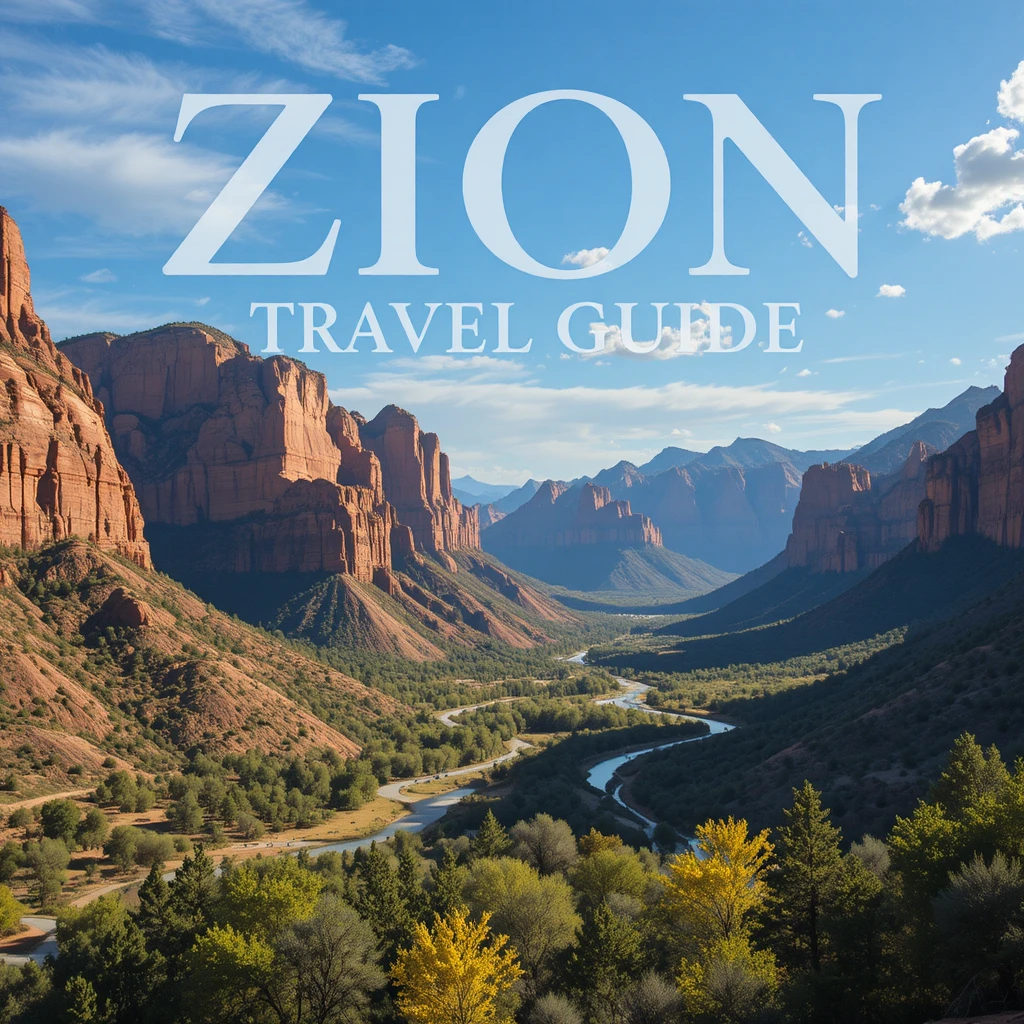
Zion National Park Travel Guide is everything you need to plan an unforgettable journey to one of America’s most breathtaking natural destinations. Located in southwestern Utah, Zion National Park is famous for its towering red sandstone cliffs, emerald valleys, dramatic canyons, scenic drives, and world-renowned hiking trails. Whether you’re planning your first visit or returning for another adventure, Zion offers incredible experiences for nature lovers, photographers, families, and thrill-seekers alike.
Every year, millions of visitors come to Zion to explore iconic hikes like Angels Landing and The Narrows, watch spectacular sunsets over colorful cliffs, discover diverse wildlife, and experience the peaceful beauty of the Virgin River. This comprehensive Zion National Park Travel Guide covers everything you need to know—from the best time to visit and entrance fees to hiking trails, accommodations, transportation, photography spots, safety tips, and insider travel advice.
Why Visit Zion National Park?
Zion National Park is considered one of the most beautiful national parks in the United States. Its unique landscape combines towering cliffs, narrow slot canyons, lush hanging gardens, and flowing rivers into an unforgettable outdoor paradise.
Visitors come here for:
- Spectacular canyon scenery
- Famous hiking trails
- Scenic drives
- Wildlife viewing
- Rock climbing
- Stargazing
- Family-friendly adventures
- Photography opportunities
- Camping experiences
Whether you’re seeking adventure or relaxation, Zion has something for everyone.
Where is Zion National Park Located?
Zion National Park is located in southwestern Utah near the town of Springdale.
Approximate driving distances:
- Las Vegas: 2.5–3 hours
- Salt Lake City: 4.5 hours
- Bryce Canyon National Park: 2 hours
- Grand Canyon North Rim: 2.5 hours
Its convenient location makes it easy to include Zion in a Southwest USA road trip.
History of Zion National Park
Long before it became a national park, Zion was home to Native American tribes including the Ancestral Puebloans, Paiute people, and other indigenous communities.
Early Mormon settlers named the canyon “Zion,” meaning a place of peace and refuge.
Important milestones:
- Protected as Mukuntuweap National Monument in 1909
- Renamed Zion National Monument in 1918
- Became Zion National Park in 1919
Today, the park protects over 146,000 acres of remarkable desert landscapes.
Best Time to Visit Zion National Park
Each season offers a different experience.
Spring (March–May)
Spring is one of the most beautiful seasons.
Advantages:
- Pleasant temperatures
- Wildflowers blooming
- Moderate crowds
- Ideal hiking weather
Summer (June–August)
Summer is the busiest season.
Pros:
- Long daylight hours
- All facilities open
- River activities
Cons:
- Extremely crowded
- Very hot temperatures
- Parking challenges
Fall (September–November)
Many travelers consider fall the best time.
Benefits include:
- Colorful autumn leaves
- Comfortable temperatures
- Fewer visitors
- Excellent photography
Winter (December–February)
Winter provides peaceful scenery.
Advantages:
- Snow-covered cliffs
- Quiet trails
- Lower lodging costs
- Easier parking
Some trails may close due to ice.
Zion National Park Entrance Fees
Current entrance fees generally include:
- Private Vehicle Pass
- Motorcycle Pass
- Individual Entry
- Annual Zion Pass
- America the Beautiful Annual Pass
The America the Beautiful Pass provides access to hundreds of federal recreation sites.
How to Get to Zion National Park
Most visitors arrive by car.
Nearest airports:
- Las Vegas Harry Reid International Airport
- St. George Regional Airport
- Salt Lake City International Airport
Rental cars are widely available.
Zion Canyon Shuttle System
During busy seasons, private vehicles are not allowed on Zion Canyon Scenic Drive.
Visitors use the free shuttle system.
Benefits include:
- Reduced traffic
- Easier access to trailheads
- Environmentally friendly transportation
- Frequent departures
Top Attractions in Zion National Park
Zion Canyon
The heart of the park features towering cliffs rising more than 2,000 feet above the canyon floor.
Highlights include:
- Virgin River
- Hanging gardens
- Massive sandstone walls
Angels Landing
Perhaps America’s most famous hike.
Features:
- Narrow ridgeline
- Chains for assistance
- Incredible panoramic views
A permit is required.
The Narrows
One of the world’s most unique hikes.
Instead of walking on a trail, hikers travel directly through the Virgin River between towering canyon walls.
Emerald Pools
Perfect for families.
Visitors enjoy:
- Waterfalls
- Small pools
- Scenic bridges
- Easy walking trails
Canyon Overlook Trail
A short hike with one of the park’s best viewpoints.
Ideal for:
- Sunrise
- Sunset
- Photography
Observation Point
One of Zion’s highest viewpoints offering breathtaking views over Angels Landing and Zion Canyon.
Kolob Canyons
A quieter section of the park featuring:
- Scenic drives
- Red rock cliffs
- Peaceful hiking trails
- Less crowded viewpoints
Best Hiking Trails
Easy Hikes
- Riverside Walk
- Lower Emerald Pool
- Pa’rus Trail
- Grotto Trail
Suitable for beginners and families.
Moderate Hikes
- Watchman Trail
- Canyon Overlook Trail
- Middle Emerald Pool
Difficult Hikes
- Angels Landing
- Observation Point
- The Narrows (top-down)
- West Rim Trail
These require good physical fitness.
Wildlife in Zion National Park
Wildlife includes:
- Mule deer
- Desert bighorn sheep
- Wild turkey
- Rock squirrels
- Peregrine falcons
- California condors
- Lizards
- Rattlesnakes
Always observe wildlife from a safe distance.
Photography Tips
Best locations:
- Canyon Overlook
- Court of the Patriarchs
- Watchman Bridge
- Virgin River
- Zion Canyon
- Kolob Canyons
Golden hour offers the most dramatic lighting.
Best Things to Do
Popular activities include:
- Hiking
- Camping
- Rock climbing
- Canyoneering
- Scenic driving
- Bird watching
- Photography
- Horseback riding
- Stargazing
- Ranger programs
Camping in Zion
Campgrounds include:
Watchman Campground
- Near visitor center
- RV-friendly
- Reservations recommended
South Campground
- Seasonal
- Family-friendly
Lava Point Campground
- Higher elevation
- Primitive camping
Where to Stay Near Zion
Popular lodging areas:
Springdale
Closest town with:
- Hotels
- Restaurants
- Shopping
- Shuttle access
Hurricane
Budget-friendly accommodations.
St. George
Larger city with many hotel options.
Best Restaurants Near Zion
Visitors enjoy:
- American cuisine
- Southwestern dishes
- Mexican food
- Coffee shops
- Pizza restaurants
- Healthy cafés
Springdale offers the largest selection.
Family-Friendly Activities
Families can enjoy:
- Riverside Walk
- Junior Ranger Program
- Scenic shuttle rides
- Wildlife spotting
- Picnic areas
- Photography
- Educational exhibits
Adventure Activities
For thrill seekers:
- Rock climbing
- Canyoneering
- Backpacking
- Mountain biking nearby
- Slot canyon exploration
- River hiking
Weather Throughout the Year
| Season | Average Temperature |
| Spring | 50–80°F |
| Summer | 80–105°F |
| Fall | 55–85°F |
| Winter | 30–55°F |
Always check weather forecasts before hiking.
What to Pack
Essentials include:
- Hiking boots
- Refillable water bottle
- Sunscreen
- Hat
- Sunglasses
- Backpack
- Snacks
- Rain jacket
- Trekking poles
- Camera
Safety Tips
Stay safe by:
- Carrying plenty of water
- Watching weather conditions
- Avoiding flash floods
- Staying on marked trails
- Respecting wildlife
- Wearing appropriate footwear
- Informing others of hiking plans
Sample One-Day Itinerary
Morning:
- Visitor Center
- Shuttle ride
- Angels Landing or Emerald Pools
Afternoon:
- Lunch in Springdale
- Riverside Walk
- The Narrows
Evening:
- Canyon Overlook Trail
- Sunset photography
- Dinner in Springdale
Two-Day Itinerary
Day 1
- Zion Canyon
- Emerald Pools
- Riverside Walk
- Sunset at Canyon Overlook
Day 2
- Angels Landing
- Kolob Canyons
- Scenic drive
- Stargazing
Budget for Visiting Zion
Estimated daily costs:
- Park entrance
- Accommodation
- Food
- Transportation
- Souvenirs
Budget travelers can expect approximately $100–150 per day, while luxury travelers may spend $300–500+ per day.
Nearby Attractions
Many visitors combine Zion with:
- Bryce Canyon National Park
- Grand Canyon North Rim
- Cedar Breaks National Monument
- Snow Canyon State Park
- Coral Pink Sand Dunes State Park
Sustainable Travel Tips
Help protect Zion by:
- Following Leave No Trace principles
- Packing out trash
- Staying on designated trails
- Conserving water
- Respecting wildlife
- Using shuttle transportation whenever possible
Travel Tips for First-Time Visitors
- Arrive early to avoid crowds.
- Reserve accommodations well in advance.
- Carry more water than you think you’ll need.
- Wear sturdy hiking shoes.
- Check trail conditions before starting a hike.
- Use the shuttle system during peak season.
- Book permits early for Angels Landing.
- Download offline maps since cell service is limited in parts of the park.
Conclusion
This Zion National Park Travel Guide provides everything you need to plan an unforgettable trip to one of the most spectacular national parks in the United States. From the towering cliffs of Zion Canyon and the thrilling challenge of Angels Landing to the peaceful beauty of Emerald Pools and the unforgettable experience of hiking through The Narrows, Zion offers adventures for every type of traveler. With thoughtful planning, the right gear, and respect for nature, your visit will be safe, enjoyable, and filled with lifelong memories. Whether you’re visiting for a day or spending an entire week exploring the park, Zion’s dramatic landscapes and outdoor experiences are sure to leave a lasting impression.
Frequently Asked Questions
What is the best month to visit Zion National Park?
The best months to visit are April, May, September, and October because they offer pleasant temperatures, beautiful scenery, and fewer crowds than the peak summer season.
Do I need a permit to hike Angels Landing?
Yes. A permit is required to hike the chained section of Angels Landing. Visitors should apply in advance through the official permit lottery system.
How many days should I spend in Zion National Park?
Most travelers recommend spending 2–3 days to experience the park’s major attractions, popular hiking trails, scenic drives, and nearby viewpoints without feeling rushed.
Yellowstone National Park Guide: The Ultimate Travel Guide for First-Time Visitors (2026)
