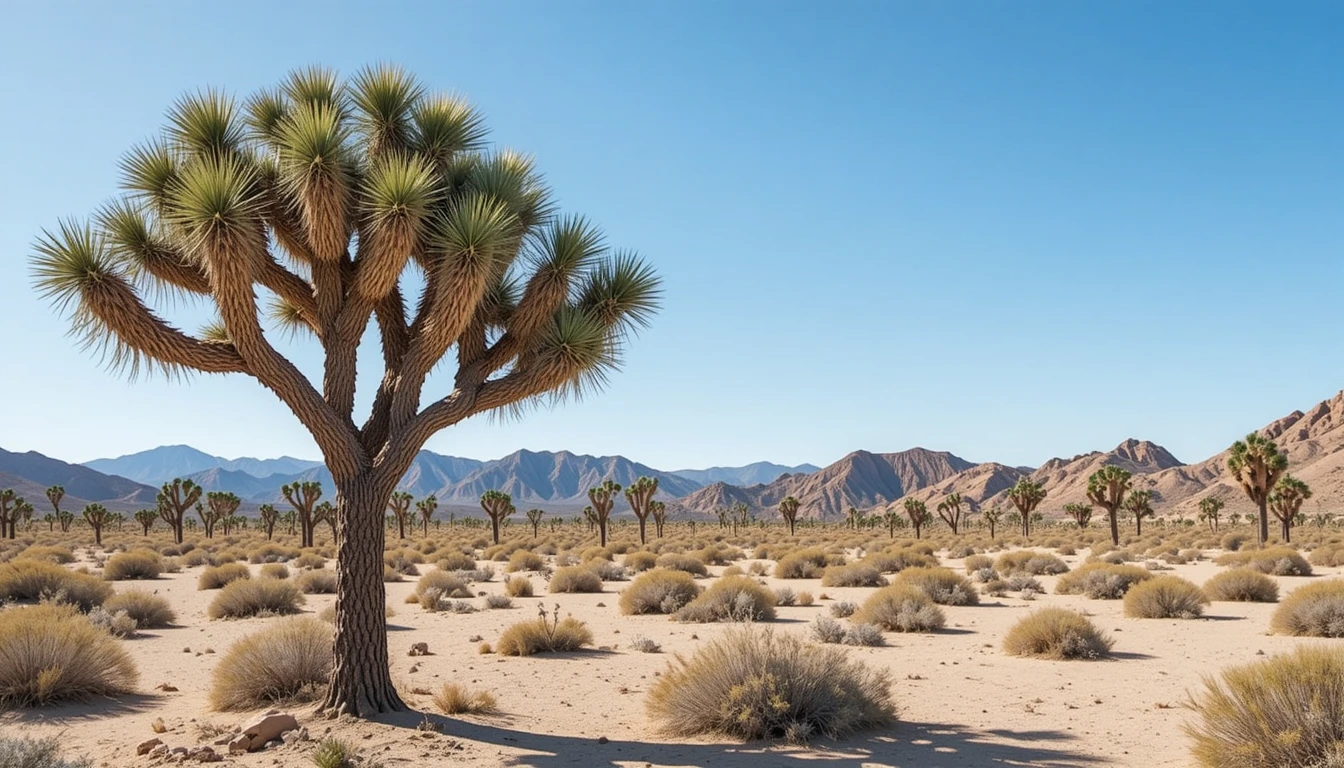
Located in Southern California, Joshua Tree National Park is one of the most unique desert destinations in the United States. Famous for its twisted Joshua trees, dramatic rock formations, breathtaking sunsets, and dark desert skies filled with stars, this national park offers an unforgettable experience for nature lovers, photographers, hikers, climbers, and adventure seekers.
A well-planned Joshua Tree National Park Guide can help travelers discover the hidden beauty of this incredible landscape while making the most of their visit. From exploring scenic viewpoints and hiking peaceful desert trails to enjoying world-class stargazing and learning about desert ecosystems, Joshua Tree provides endless opportunities for exploration throughout the year.
Unlike many traditional national parks, Joshua Tree combines two fascinating desert ecosystems — the Mojave Desert and the Colorado Desert — creating a landscape filled with remarkable biodiversity and geological wonders. Visitors can witness ancient rock formations, unique plant life, historic cultural sites, and some of the most beautiful desert scenery in California.
Whether you are planning a weekend getaway from Los Angeles, a road trip through California, or a bucket-list national park adventure, this detailed Joshua Tree National Park Guide covers everything you need to know, including the best things to do, hiking trails, camping options, weather conditions, photography spots, travel tips, and frequently asked questions.
Table of Contents
- Overview of Joshua Tree National Park
- History and Geography of Joshua Tree
- Best Time to Visit Joshua Tree National Park
- How to Get to Joshua Tree National Park
- Entrance Fees and Park Information
- Top Things to Do in Joshua Tree National Park
- Best Hiking Trails in Joshua Tree
- Famous Rock Formations and Scenic Areas
- Wildlife and Desert Plants
- Camping in Joshua Tree National Park
- Photography and Stargazing Opportunities
- Tips for a Safe and Enjoyable Visit
- Nearby Attractions and Places to Explore
- Conclusion
- FAQs
Overview of Joshua Tree National Park
Joshua Tree National Park is a protected desert wilderness located in southeastern California, approximately 130 miles east of Los Angeles. Covering nearly 800,000 acres, the park is known for its fascinating combination of rugged mountains, open desert landscapes, massive granite boulders, and the iconic Joshua trees that give the park its name.
The park became a national monument in 1936 and was officially designated as a national park in 1994. Today, it attracts millions of visitors every year who come to experience its natural beauty, peaceful environment, and unique desert character.
The most recognizable feature of Joshua Tree is its unusual trees with twisted branches and spiky leaves. Although they look like traditional trees, Joshua trees are actually a type of yucca plant. Their strange shapes create a surreal landscape that looks almost like something from another planet.
A complete Joshua Tree National Park Guide should include more than just popular viewpoints. The park offers a wide range of experiences, including:
- Hiking through desert trails
- Rock climbing adventures
- Wildlife watching
- Photography tours
- Camping under the stars
- Exploring historic landmarks
- Enjoying peaceful desert landscapes
The park’s remote atmosphere makes it an ideal destination for travelers who want to escape busy city life and reconnect with nature.
Why Visit Joshua Tree National Park?
There are countless reasons why Joshua Tree has become one of California’s most beloved national parks. Its unique landscape, peaceful surroundings, and unforgettable experiences make it different from any other destination in the United States.
Unique Desert Landscape
Joshua Tree features a rare combination of two deserts:
Mojave Desert
The higher elevation northern section of the park belongs to the Mojave Desert. This region receives slightly more rainfall and is where visitors find the famous Joshua tree forests.
Colorado Desert
The lower eastern and southern areas are part of the Colorado Desert, which is warmer and drier. This area contains fascinating desert plants, wide-open valleys, and beautiful mountain views.
The meeting point of these two ecosystems creates one of the most biologically diverse desert environments in North America.
Stunning Rock Formations
One of the biggest attractions of Joshua Tree National Park is its impressive granite rock formations. Millions of years of geological activity created massive boulders, cliffs, and natural sculptures throughout the park.
These formations attract:
- Rock climbers from around the world
- Adventure photographers
- Families exploring nature
- Hikers looking for scenic trails
Popular rock areas include:
- Hidden Valley
- Arch Rock
- Wonderland of Rocks
- Skull Rock
Each location offers a different perspective of the park’s incredible geology.
History of Joshua Tree National Park
The history of Joshua Tree stretches back thousands of years. Native American communities, including the Cahuilla, Serrano, Chemehuevi, and Mojave peoples, have strong cultural connections to this land.
These Indigenous communities used desert plants for food, medicine, tools, and shelter. Evidence of their presence can still be found through ancient trails, rock art, and archaeological sites.
During the 19th and early 20th centuries, miners, ranchers, and settlers arrived in the region searching for valuable minerals and opportunities. Mining became an important part of the area’s history, with several abandoned mines still visible today.
The protection of Joshua Tree began when President Franklin D. Roosevelt established the area as Joshua Tree National Monument in 1936. Decades later, the park gained national park status through the California Desert Protection Act of 1994.
Today, Joshua Tree National Park protects this extraordinary desert environment for future generations.
Geography and Climate of Joshua Tree
Understanding the geography and climate is an important part of any Joshua Tree National Park Guide because desert conditions can change quickly.
The park’s elevation ranges from around 536 feet to more than 5,800 feet above sea level. This variation creates different temperatures and landscapes throughout the park.
Desert Climate
Joshua Tree experiences:
- Hot summers
- Mild winters
- Cool nights
- Very little rainfall
Summer Season
Summer temperatures can become extremely hot, especially during the daytime. Temperatures often rise above 100°F (38°C), making hiking during midday dangerous.
Winter Season
Winter is considered one of the best times to visit. Days are comfortable, temperatures are cooler, and hiking conditions are much better.
Spring Season
Spring brings pleasant weather and occasional wildflower blooms. It is one of the most popular seasons for visitors.
Fall Season
Fall offers cooler temperatures and fewer crowds compared to spring, making it another excellent time to explore the park.
Best Time to Visit Joshua Tree National Park
Choosing the right season can greatly improve your experience. The best time to visit Joshua Tree depends on your preferred activities.
Best Months for Hiking
The ideal hiking months are:
- October
- November
- March
- April
- May
During these months, temperatures are comfortable and trails are safer for outdoor activities.
Best Time for Photography
Photographers often prefer:
- Early morning
- Golden hour before sunset
- Winter months
The soft desert light creates stunning colors across the rocks and Joshua trees.
Best Time for Stargazing
Joshua Tree is famous for its dark skies. The best stargazing conditions usually occur during:
- New moon periods
- Clear winter nights
- Late fall evenings
Visitors can see:
- The Milky Way
- Constellations
- Shooting stars
- Planets
The park’s lack of city lights makes it one of the best places in California for astronomy.
How to Get to Joshua Tree National Park
Planning your transportation is an important part of any Joshua Tree National Park Guide because the park is located in a remote desert area with limited public transportation options. Most visitors arrive by car, making it a perfect destination for a California road trip.
Joshua Tree National Park has three main entrances:
- West Entrance (Near Joshua Tree Town)
- North Entrance (Near Twentynine Palms)
- South Entrance (Near Cottonwood Springs)
Each entrance provides access to different parts of the park, so choosing the right one depends on your travel route and planned activities.
Driving From Major California Cities
From Los Angeles
Joshua Tree is approximately 130 miles from Los Angeles.
Driving Time: Around 2.5 to 3 hours
The most common route is:
Los Angeles → Interstate 10 East → Highway 62 → Joshua Tree National Park
This route is popular for weekend travelers looking for a quick desert escape.
From San Diego
Joshua Tree is about 160 miles from San Diego.
Driving Time: Approximately 3 hours
The route usually follows:
San Diego → Interstate 15 North → Interstate 10 East → Park Entrance
Many travelers combine Joshua Tree with other Southern California destinations such as Palm Springs and Anza-Borrego Desert State Park.
From Las Vegas
Joshua Tree is around 200 miles from Las Vegas.
Driving Time: About 3.5 to 4 hours
Visitors traveling from Nevada often include Joshua Tree as part of a larger desert road trip.
Getting Around Joshua Tree National Park
Once inside the park, driving is the easiest way to explore because attractions are spread across a large area.
The main park road connects major viewpoints, hiking areas, and picnic spots.
Important things to know:
- There is no public transportation inside the park.
- Cell service is limited in many areas.
- Fuel stations are not available inside the park.
- Roads are mostly paved but some areas require careful driving.
- Download maps before entering the park.
A good Joshua Tree National Park Guide recommends filling your gas tank, carrying enough water, and planning your route before arriving.
Entrance Fees and Park Information
Visitors need an entrance pass to enter Joshua Tree National Park.
Typical entrance options include:
Private Vehicle Pass
A standard vehicle pass provides access for visitors traveling together in one car.
Motorcycle Pass
Available for visitors entering by motorcycle.
Annual Pass
Frequent visitors may benefit from an annual pass that provides unlimited access to participating national parks.
America the Beautiful Pass
Travelers visiting multiple national parks within one year can save money with this nationwide pass.
Before visiting, always check the latest fees and regulations on the official National Park Service website because prices and policies may change.
Visitor Centers at Joshua Tree National Park
Visitor centers are excellent places to begin your trip. They provide maps, safety information, exhibits, and helpful advice from park staff.
The main visitor centers include:
Joshua Tree Visitor Center
Located near the West Entrance, this center is convenient for visitors arriving from Los Angeles.
Services include:
- Park maps
- Educational exhibits
- Ranger information
- Souvenirs
- Travel advice
Oasis Visitor Center
Located near Twentynine Palms, this visitor center serves the northern entrance.
Visitors can learn about:
- Desert ecology
- Wildlife
- Local history
- Conservation efforts
Cottonwood Visitor Center
Located near the southern entrance, this is useful for travelers arriving from Interstate 10.
It provides information about:
- Hiking trails
- Campgrounds
- Desert conditions
Top Things to Do in Joshua Tree National Park
A great Joshua Tree National Park Guide must include the best experiences because the park offers much more than just beautiful scenery.
From hiking and climbing to photography and wildlife watching, visitors can enjoy countless activities.
Explore Hidden Valley
Hidden Valley is one of the most popular destinations inside Joshua Tree National Park.
This enclosed valley is surrounded by massive granite boulders and is believed to have been historically used by cattle rustlers who hid livestock in this naturally protected area.
Today, it is one of the best places for:
- Beginner hiking
- Photography
- Rock climbing
- Picnicking
Hidden Valley Nature Trail
Distance: About 1 mile loop
Difficulty: Easy
Time: Around 45 minutes
This short trail introduces visitors to Joshua Tree’s unique landscape without requiring intense physical effort.
Along the way, hikers can see:
- Giant rock formations
- Desert plants
- Joshua trees
- Wildlife habitats
It is one of the best first stops for families and first-time visitors.
Visit Keys View
Keys View is one of the most famous viewpoints in Joshua Tree National Park.
Located on the Little San Bernardino Mountains, this viewpoint offers breathtaking panoramic views of:
- Coachella Valley
- Salton Sea
- San Andreas Fault
- Surrounding desert mountains
On clear days, visitors may even see distant mountain ranges across Southern California.
Best Time to Visit Keys View
The best times are:
- Sunrise
- Sunset
- Early morning
The changing desert light creates incredible colors across the landscape, making it one of the top photography locations in the park.
Discover Skull Rock
Skull Rock is one of Joshua Tree’s most recognizable natural attractions.
This unique rock formation resembles a human skull because natural erosion created two hollow areas that look like eye sockets.
Visitors enjoy Skull Rock because it is:
- Easy to access
- Family-friendly
- Great for photography
The surrounding area also offers opportunities for short walks and exploring nearby rock formations.
Walk Through Cholla Cactus Garden
The Cholla Cactus Garden is one of the most unusual areas in Joshua Tree National Park.
This landscape is covered with thousands of teddy bear cholla cactus plants, creating a golden desert scene that looks especially beautiful during sunrise and sunset.
Cholla Cactus Garden Nature Trail
Distance: Approximately 0.25 miles
Difficulty: Very easy
Although the trail is short, visitors should stay on the designated path because cholla cactus spines can easily attach to clothing and skin.
The area provides excellent opportunities for:
- Nature photography
- Desert observation
- Learning about cactus ecosystems
Experience Barker Dam
Barker Dam is a historic water storage area built by early cattle ranchers.
The trail leading to Barker Dam combines:
- Desert scenery
- Wildlife viewing
- Native American history
- Rock formations
Barker Dam Trail
Distance: Around 1.1 miles loop
Difficulty: Easy
During wetter seasons, visitors may see water inside the dam area, attracting birds and other desert animals.
The trail also contains ancient Native American rock art, making it an important cultural site.
Visit Arch Rock
Arch Rock is a beautiful natural stone arch located near White Tank Campground.
This formation is a favorite among photographers because it creates a dramatic frame against the desert sky.
The short hike makes it accessible for most visitors.
Best Photography Time:
- Sunrise
- Sunset
- Night photography under stars
Enjoy Rock Climbing Adventures
Joshua Tree is considered one of the best rock climbing destinations in the world.
The park contains thousands of climbing routes suitable for different skill levels.
Popular climbing areas include:
- Hidden Valley
- Intersection Rock
- Wonderland of Rocks
- Echo Cove
Beginners can join guided climbing tours, while experienced climbers can explore challenging routes throughout the park.
Enjoy Scenic Drives
Not every visitor wants long hikes, and Joshua Tree offers incredible scenery from the road.
Some of the best scenic drives include:
Park Boulevard
This main route connects many famous attractions.
Highlights include:
- Joshua tree forests
- Rock formations
- Desert valleys
Geology Tour Road
This unpaved route explores the park’s geological features.
A high-clearance vehicle is recommended.
Visitors can see:
- Ancient mining areas
- Desert mountains
- Unique rock landscapes
Best Hiking Trails in Joshua Tree National Park
One of the best ways to experience the beauty of the desert is by exploring its hiking trails. A complete Joshua Tree National Park Guide would not be complete without highlighting the incredible trails that allow visitors to discover hidden valleys, ancient rock formations, desert plants, and breathtaking viewpoints.
Joshua Tree offers hiking options for every type of traveler, from easy family-friendly walks to challenging mountain climbs. Before starting any hike, visitors should carry plenty of water, wear proper hiking shoes, and avoid hiking during extreme summer heat.
Ryan Mountain Trail
Ryan Mountain Trail is one of the most popular and rewarding hikes in Joshua Tree National Park.
This trail takes visitors to one of the highest viewpoints in the park, offering incredible panoramic views of the surrounding desert landscape.
Trail Information:
- Distance: Approximately 3 miles round trip
- Difficulty: Moderate to challenging
- Elevation Gain: Around 1,050 feet
- Time Required: 2–3 hours
Although the trail is steep in some sections, the view from the summit makes the effort worthwhile.
From the top, hikers can see:
- Joshua tree forests
- Desert valleys
- Mountain ranges
- Rock formations
The best time to hike Ryan Mountain is early morning or late afternoon when temperatures are cooler.
Lost Horse Mine Trail
The Lost Horse Mine Trail combines desert scenery with fascinating history.
The trail leads visitors to one of Joshua Tree’s best-preserved historic gold mines.
During the late 1800s, the Lost Horse Mine produced significant amounts of gold and silver before becoming inactive.
Trail Information:
- Distance: About 6.5 miles round trip
- Difficulty: Moderate
- Time Required: 3–5 hours
Along the trail, hikers can enjoy:
- Mountain views
- Desert plants
- Wildlife sightings
- Historic mining remains
This hike is especially beautiful during spring when wildflowers may appear.
Barker Dam Trail
Barker Dam is one of the easiest and most interesting hikes in Joshua Tree.
This short trail combines nature, history, and geology, making it perfect for families and casual hikers.
Trail Information:
- Distance: Around 1.1 miles loop
- Difficulty: Easy
- Time Required: 45 minutes to 1 hour
Highlights include:
- Historic water reservoir
- Granite boulders
- Desert wildlife
- Native American rock art
The area is also a great location for birdwatching and photography.
Wall Street Mill Trail
Wall Street Mill Trail provides a glimpse into Joshua Tree’s mining history.
The trail leads to a historic gold processing mill that remains surprisingly well preserved.
Trail Information:
- Distance: Approximately 2 miles round trip
- Difficulty: Easy
- Time Required: 1–2 hours
Visitors can explore:
- Old mining equipment
- Historic buildings
- Desert landscapes
This trail is ideal for travelers interested in history and photography.
Desert Queen Mine Trail
This trail is perfect for visitors who want to learn about Joshua Tree’s mining past.
The Desert Queen Mine was once one of the most productive mines in the region.
Trail Information:
- Distance: About 1.5 miles round trip
- Difficulty: Easy to moderate
The trail provides excellent views of:
- Rock formations
- Desert valleys
- Historic mining areas
Arch Rock Trail
Arch Rock is one of the most photographed natural formations in Joshua Tree.
Trail Information:
- Distance: Less than 1 mile
- Difficulty: Easy
The trail is short but offers amazing scenery.
Visitors can enjoy:
- Natural stone arches
- Granite landscapes
- Sunset photography
It is especially popular among photographers because the arch creates a beautiful frame against the desert sky.
Mastodon Peak Trail
Mastodon Peak Trail offers a mixture of desert adventure and historical exploration.
The route passes through areas connected with old mining activity.
Trail Information:
- Distance: Approximately 3 miles loop
- Difficulty: Moderate
Highlights include:
- Desert plants
- Mountain views
- Historic mine remains
- Rocky landscapes
Wildlife in Joshua Tree National Park
Despite its dry environment, Joshua Tree supports a surprising variety of wildlife. Understanding desert animals is an important part of any Joshua Tree National Park Guide because many creatures have adapted to survive in harsh desert conditions.
Visitors may encounter:
- Desert tortoises
- Coyotes
- Jackrabbits
- Bighorn sheep
- Lizards
- Snakes
- Birds
- Rodents
Most wildlife is active during early morning, evening, or nighttime because daytime temperatures can become extremely hot.
Desert Tortoises
The desert tortoise is one of Joshua Tree’s most important species.
These slow-moving reptiles spend much of their lives underground to escape extreme temperatures.
Visitors should:
- Never touch or move a tortoise
- Keep a safe distance
- Avoid disturbing their habitat
Protecting desert tortoises is an important part of preserving Joshua Tree’s ecosystem.
Coyotes
Coyotes are commonly seen throughout Joshua Tree National Park.
They are highly adaptable animals that survive by eating:
- Small mammals
- Birds
- Reptiles
- Insects
Visitors should never feed coyotes because it can create dangerous behavior and harm their natural survival skills.
Bighorn Sheep
Desert bighorn sheep are another fascinating animal found in the park.
They are excellent climbers and can survive in rocky mountain environments where water is limited.
Seeing a bighorn sheep is a memorable experience because they often blend into the surrounding rocks.
Birds of Joshua Tree
The park is home to many bird species, making it a great destination for birdwatchers.
Common birds include:
- Roadrunners
- Hawks
- Ravens
- Owls
- Woodpeckers
Bird activity is usually highest during cooler morning hours.
Plants and Desert Ecosystem
Joshua Tree’s plant life is specially adapted to survive in one of the toughest environments on Earth.
The park’s ecosystem includes hundreds of plant species that have developed unique survival methods.
Joshua Trees
The Joshua tree is the symbol of the park.
These unusual plants can live for hundreds of years and are perfectly adapted to the Mojave Desert environment.
Interesting facts:
- Joshua trees are not true trees
- They belong to the yucca family
- They depend on specific desert conditions
- Their twisted shapes create the park’s iconic scenery
Visitors often come specifically to photograph these remarkable plants.
Cholla Cactus
Cholla cactus is another famous desert plant found throughout the park.
The teddy bear cholla appears soft and colorful from a distance, but its sharp spines make it dangerous to touch.
Visitors should always stay on marked trails around cactus gardens.
Ocotillo Plants
Ocotillo plants are tall desert shrubs with long branches.
During rainy seasons, they can produce bright red flowers that attract hummingbirds and other wildlife.
Wildflowers in Joshua Tree
Although Joshua Tree is a desert, seasonal wildflowers can create stunning displays during years with sufficient rainfall.
Possible flowers include:
- Desert marigolds
- Lupines
- Desert primrose
- Sand verbena
The best wildflower conditions usually occur between February and April, but blooms depend heavily on rainfall.
Best Places for Photography in Joshua Tree National Park
Joshua Tree is one of California’s top photography destinations because of its unique combination of desert scenery, dramatic rocks, and colorful skies.
Popular photography locations include:
Keys View
Best for:
- Sunset photography
- Mountain landscapes
- Wide panoramic views
Arch Rock
Best for:
- Sunrise photos
- Night photography
- Landscape shots
Cholla Cactus Garden
Best for:
- Golden hour photography
- Desert plant close-ups
Skull Rock
Best for:
- Creative nature photography
- Family photos
Joshua Tree Forests
Best for:
- Iconic Joshua tree images
- Desert landscape photography
Tips for Desert Photography
For the best results:
- Visit during sunrise or sunset
- Use a wide-angle lens for landscapes
- Carry extra batteries
- Protect cameras from sand
- Use a tripod for night photography
The contrast between dark rocks, green Joshua trees, and colorful skies creates unforgettable images.
Conclusion
Joshua Tree National Park is one of the most extraordinary natural destinations in California, offering a perfect combination of adventure, relaxation, history, and unforgettable desert beauty. From its famous twisted Joshua trees and giant granite formations to peaceful hiking trails and incredible night skies, the park provides experiences that cannot be found anywhere else.
A well-planned Joshua Tree National Park Guide helps travelers explore the park safely while discovering its most impressive attractions. Whether you are a first-time visitor, a photographer searching for dramatic landscapes, a hiker looking for scenic trails, or a family planning a weekend adventure, Joshua Tree has something for everyone.
The park’s unique combination of the Mojave and Colorado deserts creates a landscape filled with fascinating plants, wildlife, geological wonders, and cultural history. Visitors can spend their days hiking through hidden valleys, climbing massive rocks, exploring historic mining areas, or simply enjoying the peaceful atmosphere of the desert.
One of the most unforgettable experiences in Joshua Tree is watching the sunset paint the mountains and rocks with golden colors, followed by a night sky filled with countless stars. Because of its dark skies and minimal light pollution, the park has become one of the best stargazing destinations in the United States.
However, Joshua Tree is not just about sightseeing. It is a place where visitors can slow down, reconnect with nature, and appreciate the beauty of a fragile desert ecosystem. Respecting the environment, protecting wildlife, and following Leave No Trace principles help preserve this incredible national park for future generations.
Whether you visit for one day or spend several nights camping under the stars, Joshua Tree National Park promises an adventure filled with beauty, discovery, and unforgettable memories.
Frequently Asked Questions
What is the best month to visit Joshua Tree National Park?
The best months to visit Joshua Tree National Park are generally October through May when temperatures are cooler and outdoor activities are more comfortable. Spring and fall provide excellent weather for hiking, photography, and sightseeing. Winter is also a great season because daytime temperatures are pleasant and crowds are usually smaller.
Summer can be extremely hot, with daytime temperatures often reaching dangerous levels, so visitors should avoid strenuous activities during midday.
How many days do you need in Joshua Tree National Park?
Most visitors can experience the highlights of Joshua Tree in 2 to 3 days.
A one-day visit allows time to see major attractions such as:
- Hidden Valley
- Keys View
- Skull Rock
- Cholla Cactus Garden
A longer stay provides opportunities for:
- More hiking trails
- Camping
- Stargazing
- Photography
- Exploring less crowded areas
For travelers who want a complete experience, spending two or more nights is recommended.
Is Joshua Tree National Park worth visiting?
Yes, Joshua Tree National Park is absolutely worth visiting. Its unique desert landscapes, fascinating rock formations, beautiful sunsets, and incredible night skies make it one of California’s most memorable destinations.
Unlike many crowded tourist locations, Joshua Tree offers peaceful surroundings and a chance to experience nature in its purest form. Whether you enjoy adventure activities or simply want to admire beautiful scenery, the park offers unforgettable experiences.
Final Travel Checklist for Joshua Tree National Park
Before visiting, make sure you:
✅ Carry enough water
✅ Check weather conditions
✅ Fill your fuel tank before entering the park
✅ Download offline maps
✅ Wear comfortable hiking shoes
✅ Bring sun protection
✅ Respect wildlife
✅ Follow Leave No Trace principles
✅ Carry a flashlight for nighttime activities
✅ Reserve camping spots in advance when possible
Big Sur Travel Guide (2026): The Ultimate Guide to California’s Most Scenic Coastal Escape
