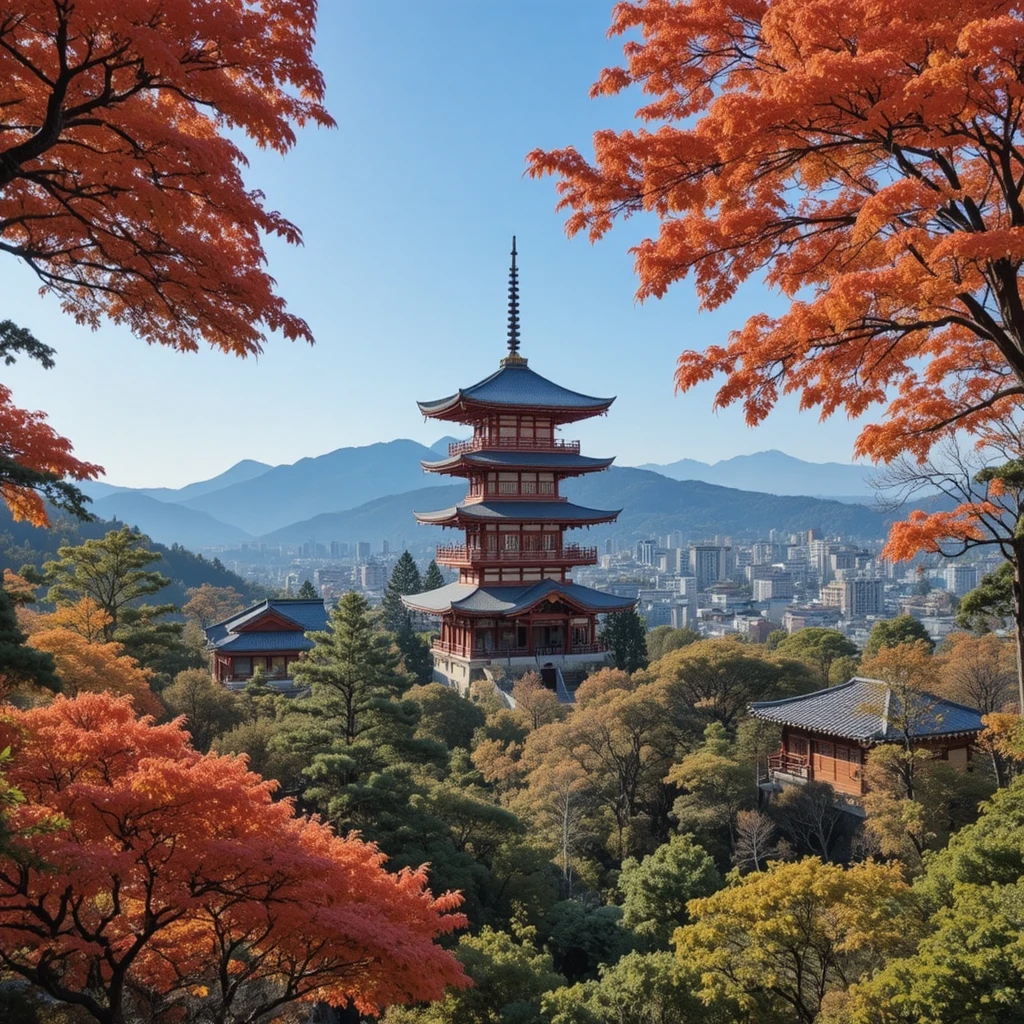
Japan is one of the world’s most fascinating travel destinations, where centuries-old traditions blend seamlessly with cutting-edge technology. Whether you’re wandering through peaceful temples in Kyoto, exploring the neon-lit streets of Tokyo, or relaxing in a traditional hot spring, every experience offers a glimpse into Japan’s unique cultural identity. This Japan Culture Travel Guide is designed to help travelers understand the customs, etiquette, history, and traditions that make Japan unlike any other destination.
Traveling in Japan becomes far more meaningful when you appreciate the country’s cultural values. Respect, harmony, cleanliness, and hospitality are deeply rooted in everyday life. From learning how to bow correctly to understanding dining etiquette and seasonal festivals, cultural awareness allows visitors to connect more deeply with local communities. Whether you’re planning your first visit or returning to explore more, this comprehensive Japan Culture Travel Guide will prepare you for an unforgettable journey through one of Asia’s most culturally rich nations.
Why Understanding Japanese Culture Matters
Japan welcomes millions of international visitors every year. While the country is incredibly tourist-friendly, respecting local customs can greatly enhance your travel experience. Japanese society places a strong emphasis on politeness, social harmony, and consideration for others.
Understanding cultural expectations allows travelers to:
- Build meaningful interactions with locals.
- Avoid unintentionally offending people.
- Enjoy authentic cultural experiences.
- Gain deeper appreciation for Japan’s history.
- Travel confidently in both urban and rural areas.
Culture in Japan is not limited to museums or historical sites—it is reflected in everyday life, from the way people greet each other to how they dine, commute, and celebrate seasonal events.
A Brief History of Japanese Culture
Japanese culture has evolved over thousands of years while preserving many of its ancient traditions. The country’s geographical isolation allowed unique customs and artistic styles to flourish independently.
Throughout history, Japan has been influenced by neighboring countries such as China and Korea, introducing Buddhism, writing systems, and philosophical ideas. However, Japan adapted these influences into distinctly Japanese traditions.
Major historical periods include:
Jomon Period
The Jomon people created some of the world’s oldest pottery and lived closely with nature. Their artistic expression still inspires modern Japanese craftsmanship.
Heian Period
Known as Japan’s golden age of classical culture, this era produced elegant literature, poetry, and refined court traditions. Many cultural practices, including calligraphy and tea ceremonies, trace their origins to this period.
Samurai Era
The rise of the samurai introduced values such as honor, loyalty, courage, and discipline. Bushido, the samurai code, continues to influence Japanese society today.
Modern Japan
Following rapid modernization in the late 19th century, Japan became a global leader in technology while maintaining deep respect for its cultural heritage. Today, ancient temples stand beside futuristic skyscrapers, creating one of the world’s most captivating cultural landscapes.
Core Values of Japanese Society
To truly understand Japan, it’s essential to recognize the principles that guide daily life.
Respect
Respect is the foundation of Japanese culture. People show respect through polite language, bowing, punctuality, and thoughtful behavior.
Visitors should always:
- Speak politely.
- Wait patiently in lines.
- Treat public spaces with care.
- Respect local traditions.
- Follow rules without complaint.
Harmony (Wa)
Harmony, or Wa, emphasizes cooperation rather than confrontation. Japanese society values peaceful relationships and avoiding unnecessary conflict.
This explains why people:
- Rarely speak loudly in public.
- Avoid disturbing others.
- Value teamwork.
- Practice patience.
Cleanliness
Japan is famous for its remarkable cleanliness.
You’ll notice:
- Spotless streets.
- Clean public transportation.
- Organized recycling systems.
- Well-maintained parks.
- Exceptionally clean public restrooms.
Interestingly, public trash bins are limited because people often carry their waste until they find appropriate disposal facilities.
Hospitality (Omotenashi)
One of Japan’s greatest cultural strengths is Omotenashi, meaning wholehearted hospitality.
Unlike many countries, excellent service in Japan isn’t motivated by tips. Instead, people genuinely take pride in providing exceptional customer care.
Examples include:
- Hotel staff personally guiding guests.
- Store employees greeting every customer.
- Restaurant workers carefully presenting meals.
- Train staff bowing before leaving the carriage.
This sincere hospitality leaves lasting impressions on visitors.
Japanese Etiquette Every Traveler Should Know
Learning basic etiquette demonstrates respect and helps visitors blend into Japanese society.
Bowing Instead of Handshakes
Bowing is Japan’s traditional greeting.
Different bow angles express varying levels of respect:
- Slight bow for casual greetings.
- Medium bow for business situations.
- Deep bow for apologies or showing great respect.
Foreign visitors are not expected to bow perfectly, but returning a small bow is appreciated.
Removing Shoes
Many Japanese homes and traditional buildings require visitors to remove their shoes before entering.
Places where shoe removal is common include:
- Homes
- Traditional inns (Ryokan)
- Temples
- Certain restaurants
- Schools
- Historic buildings
Indoor slippers are usually provided.
Always check the entrance—if you see rows of shoes, it’s a sign to remove yours.
Quiet Public Behavior
Japanese society values peaceful public spaces.
On trains and buses:
- Keep phone conversations to a minimum.
- Use headphones.
- Avoid loud laughter.
- Speak softly.
- Respect personal space.
Public transportation is often surprisingly quiet, even during rush hour.
Queue Properly
Orderly lines are a defining feature of Japan.
People queue for:
- Trains
- Elevators
- Restaurants
- Convenience stores
- Bus stops
- Attractions
Never cut in line, as it is considered disrespectful.
Punctuality
Being on time is extremely important in Japan.
Whether meeting friends, joining a tour, or catching public transport, punctuality demonstrates reliability and respect.
Japanese trains are internationally recognized for their remarkable punctuality.
Understanding Japanese Communication Style
Communication in Japan tends to be indirect, polite, and considerate.
Instead of openly refusing requests, people may use softer expressions like:
- “It may be difficult.”
- “We’ll think about it.”
- “Perhaps another time.”
Understanding these subtle responses helps visitors avoid misunderstandings.
Non-verbal communication is equally important. Facial expressions, pauses, and body language often convey as much meaning as spoken words.
Respecting Religious and Sacred Places
Japan is home to both Shinto shrines and Buddhist temples, each playing an important role in the country’s spiritual life.
When visiting sacred places:
- Dress modestly.
- Speak quietly.
- Avoid blocking entrances.
- Do not touch religious objects unless permitted.
- Follow photography rules.
- Observe local worshippers respectfully.
Many visitors enjoy participating in simple purification rituals, such as washing hands before entering a shrine, as a way to appreciate local customs.
Traditional Japanese Greetings
Learning a few common greetings can greatly enhance your interactions with locals.
| Japanese | English Meaning |
| Konnichiwa | Hello |
| Ohayou Gozaimasu | Good Morning |
| Konbanwa | Good Evening |
| Arigatou Gozaimasu | Thank You |
| Sumimasen | Excuse Me / Sorry |
| Onegaishimasu | Please |
| Sayonara | Goodbye |
Even attempting to use basic Japanese phrases is often appreciated and can lead to warmer interactions.
Why Cultural Awareness Makes Your Trip Better
A journey through Japan is about much more than sightseeing. By understanding local customs, respecting traditions, and embracing cultural etiquette, travelers gain a deeper appreciation for the country’s rich heritage. Small gestures—such as bowing politely, removing shoes where appropriate, or speaking quietly on public transport—can create positive connections with local people and enrich every travel experience.
Traditional Japanese Festivals (Matsuri)
One of the highlights of any Japan Culture Travel Guide is experiencing the country’s colorful festivals, known as Matsuri. These celebrations have been held for centuries and are deeply connected to local communities, Shinto shrines, Buddhist temples, and seasonal changes.
During festivals, streets come alive with traditional music, dance performances, food stalls, lanterns, and beautifully decorated floats. Locals often wear colorful yukata (summer kimono), creating a vibrant and festive atmosphere.
Some festivals last only one day, while others continue for several days and attract millions of visitors from around the world.
Famous Festivals in Japan
Gion Matsuri (Kyoto)
Held every July, Gion Matsuri is one of Japan’s oldest and most famous festivals, dating back over 1,000 years.
Highlights include:
- Massive wooden parade floats
- Traditional Japanese music
- Evening lantern displays
- Street food markets
- Cultural performances
The festival showcases Kyoto’s rich historical heritage and attracts visitors from across the globe.
Cherry Blossom Festivals (Hanami)
Spring is one of the best times to visit Japan because of the breathtaking cherry blossoms.
Hanami means “flower viewing.”
Families and friends gather in parks to:
- Enjoy picnics
- Appreciate nature
- Celebrate spring
- Spend time together
Popular Hanami locations include Tokyo, Kyoto, Osaka, and Hirosaki.
Nebuta Festival (Aomori)
The Nebuta Festival is famous for its enormous illuminated lantern floats depicting historical warriors, mythical creatures, and legendary heroes.
Visitors can enjoy:
- Nighttime parades
- Traditional dancing
- Live music
- Fireworks
- Local cuisine
The festival creates a magical atmosphere unlike anywhere else in Japan.
Snow Festival (Sapporo)
Every winter, Sapporo transforms into a snowy wonderland featuring giant ice sculptures and snow art.
Visitors can experience:
- Ice castles
- Snow slides
- Night illuminations
- Winter food markets
- Cultural performances
It is one of Asia’s most famous winter festivals.
Religion in Japan
Religion in Japan focuses less on strict doctrine and more on tradition, community, and respect for nature.
The two primary religions are:
- Shinto
- Buddhism
Most Japanese people participate in customs from both religions throughout their lives.
Shinto: Japan’s Indigenous Religion
Shinto is Japan’s oldest religion.
It emphasizes harmony between humans and nature and honors spirits known as Kami, which are believed to exist in mountains, rivers, forests, and other natural elements.
When visiting a Shinto shrine, you may notice:
- Red torii gates
- Stone fox statues
- Purification fountains
- Wooden prayer plaques (Ema)
- Sacred trees
Visitors often wash their hands and rinse their mouths before entering as a symbolic act of purification.
Buddhism in Japan
Buddhism arrived in Japan from China and Korea over 1,400 years ago.
It has greatly influenced:
- Architecture
- Meditation
- Gardens
- Art
- Funeral traditions
- Philosophy
Buddhist temples are peaceful places where visitors can experience meditation, admire ancient statues, and appreciate beautifully landscaped gardens.
Respect When Visiting Religious Sites
Whether visiting a temple or shrine, travelers should always:
- Wear modest clothing.
- Keep voices low.
- Remove hats when appropriate.
- Follow posted signs.
- Avoid blocking worshippers.
- Ask permission before taking photographs in restricted areas.
Respectful behavior is always appreciated.
Japanese Food Culture
Food plays a central role in every Japan Culture Travel Guide. Japanese cuisine is admired worldwide for its balance, freshness, presentation, and seasonal ingredients.
Meals are considered an art form, with attention given not only to taste but also to color, texture, and visual appeal.
Popular Japanese Dishes
Sushi
Perhaps Japan’s most internationally recognized food, sushi combines vinegared rice with fresh seafood, vegetables, or egg.
Popular varieties include:
- Nigiri
- Maki rolls
- Temaki
- Sashimi (served without rice)
Ramen
Ramen consists of wheat noodles served in flavorful broth.
Popular regional styles include:
- Shoyu (soy sauce)
- Miso
- Tonkotsu (pork bone)
- Shio (salt)
Each region of Japan has developed its own distinctive ramen recipe.
Tempura
Tempura features lightly battered seafood and vegetables fried until perfectly crisp.
Common ingredients include:
- Shrimp
- Sweet potato
- Pumpkin
- Mushrooms
- Green beans
It is often served with rice or dipping sauce.
Udon and Soba
These traditional noodle dishes are enjoyed throughout Japan.
Udon noodles are thick and chewy, while soba noodles are made from buckwheat and have a nuttier flavor.
Both can be served hot or cold, depending on the season.
Wagyu Beef
Japan’s premium Wagyu beef is famous for its exceptional marbling and tenderness.
It is considered one of the finest meats in the world and is often prepared as steak, sukiyaki, or yakiniku.
Japanese Dining Etiquette
Dining etiquette reflects the country’s respect for food and those who prepare it.
Important customs include:
- Say “Itadakimasu” before eating to express gratitude.
- Say “Gochisousama Deshita” after finishing the meal.
- Use chopsticks properly.
- Avoid sticking chopsticks upright into rice.
- Never point at people with chopsticks.
- Share dishes politely when dining in groups.
Good manners are highly valued in Japanese restaurants.
The Japanese Tea Ceremony
The Japanese Tea Ceremony (Chanoyu) is one of Japan’s most respected cultural traditions.
More than simply drinking tea, the ceremony emphasizes:
- Harmony
- Respect
- Purity
- Tranquility
Every movement—from preparing the tea to serving guests—is performed with mindfulness and precision.
Participating in a tea ceremony offers visitors a unique opportunity to experience traditional Japanese hospitality and philosophy.
Matcha: Japan’s Famous Green Tea
Matcha is a finely ground powdered green tea used during tea ceremonies.
Today, matcha is also enjoyed in:
- Ice cream
- Cakes
- Lattes
- Chocolates
- Traditional sweets
Its rich flavor and health benefits have made it popular worldwide.
Traditional Japanese Sweets (Wagashi)
Wagashi are delicate sweets often served with green tea.
Popular varieties include:
- Mochi
- Dorayaki
- Daifuku
- Yokan
- Manju
Many wagashi are inspired by the changing seasons and feature artistic designs.
Japanese Family Values
Family plays a significant role in Japanese society.
Children are taught from a young age to value:
- Respect for elders
- Responsibility
- Cleanliness
- Teamwork
- Humility
- Good manners
These values are reflected in schools, workplaces, and daily life.
Seasonal Celebrations
Japan celebrates the beauty of every season.
Spring
- Cherry blossoms
- Flower festivals
- Mild weather
- Hanami picnics
Summer
- Fireworks festivals
- Beach trips
- Traditional dances
- Colorful yukata
Autumn
- Maple leaf viewing
- Harvest festivals
- Cultural events
- Scenic mountain landscapes
Winter
- Snow festivals
- Hot springs (Onsen)
- Illuminated streets
- New Year celebrations
Each season offers unique cultural experiences, making Japan an attractive destination year-round.
The Importance of Seasonal Living
Japanese culture places great importance on appreciating the changing seasons.
This philosophy influences:
- Food
- Fashion
- Festivals
- Poetry
- Garden design
- Traditional arts
Restaurants frequently update their menus to feature seasonal ingredients, while temples and parks transform with each season, offering visitors a fresh experience throughout the year.
Traditional Japanese Clothing
No Japan Culture Travel Guide is complete without exploring Japan’s iconic traditional clothing. These garments represent centuries of craftsmanship, symbolism, and cultural pride. Although most Japanese people wear modern clothing in everyday life, traditional attire remains an important part of festivals, weddings, tea ceremonies, and other special occasions.
Traditional clothing reflects Japan’s appreciation for elegance, simplicity, and seasonal beauty. The colors, patterns, and fabrics often symbolize nature, age, or the time of year.
The Kimono: Japan’s Most Iconic Garment
The Kimono is Japan’s national dress and one of the country’s most recognizable cultural symbols. The word kimono literally means “something to wear.”
A traditional kimono is made from silk or other fine fabrics and is wrapped around the body from left over right, then secured with a wide decorative belt known as an obi.
Features of a Kimono
- Long flowing sleeves
- Elegant embroidered patterns
- Wide obi belt
- Traditional sandals called zori
- White socks known as tabi
Different kimono styles are worn depending on the occasion, season, age, and marital status of the wearer.
Yukata: The Casual Summer Kimono
A Yukata is a lighter, more casual version of the kimono, usually made from cotton.
People commonly wear yukata during:
- Summer festivals
- Fireworks displays
- Hot spring visits
- Traditional inns (Ryokan)
Many visitors enjoy renting a yukata while exploring historic districts such as Kyoto, adding an authentic cultural touch to their trip.
Traditional Footwear
Traditional Japanese clothing is complemented by unique footwear.
Geta
Wooden sandals worn with yukata.
Zori
Flat sandals traditionally worn with kimono.
Tabi
Split-toe white socks designed to fit comfortably with traditional sandals.
The Legacy of the Samurai
The samurai remain one of the most influential symbols of Japanese history. For nearly 700 years, these highly trained warriors shaped the nation’s politics, military, and culture.
Although the samurai class no longer exists, their ideals continue to inspire Japanese society today.
Bushido: The Way of the Warrior
Samurai lived according to Bushido, meaning “The Way of the Warrior.”
The Bushido code emphasized values such as:
- Honor
- Loyalty
- Courage
- Self-discipline
- Honesty
- Compassion
- Respect
These principles are still reflected in many aspects of Japanese education, business, and daily life.
Samurai Weapons
The most famous samurai weapon was the Katana, a curved sword known for its sharpness and craftsmanship.
Other traditional weapons included:
- Wakizashi
- Yari (spear)
- Naginata
- Bow and arrows
Master swordsmiths spent months or even years creating a single katana, making these weapons both practical tools and works of art.
Samurai Castles
Many historic castles built during the samurai era still stand today.
Some of the most famous include:
- Himeji Castle
- Matsumoto Castle
- Osaka Castle
- Nagoya Castle
- Kumamoto Castle
These castles feature impressive stone walls, elegant wooden architecture, and beautiful surrounding gardens, offering visitors a glimpse into Japan’s feudal past.
Geisha: Guardians of Traditional Arts
One of the most fascinating topics in any Japan Culture Travel Guide is the world of the Geisha.
Contrary to popular misconceptions, Geisha are highly trained entertainers who preserve traditional Japanese performing arts.
They dedicate years to mastering:
- Classical dance
- Music
- Singing
- Poetry
- Conversation
- Tea ceremony
Their graceful performances continue to represent elegance and cultural refinement.
Maiko: Apprentice Geisha
Before becoming full Geisha, young women train as Maiko.
Maiko are recognized by:
- Brightly colored kimono
- Elaborate hairstyles
- Decorative hair ornaments
- White face makeup
- Long flowing sleeves
Visitors to Kyoto’s Gion district may occasionally see Maiko walking between appointments.
Traditional Japanese Performing Arts
Japan has preserved many classical performing arts for centuries.
Kabuki
Kabuki is a colorful theatrical performance featuring dramatic costumes, elaborate makeup, stylized acting, and live music.
Many stories depict historical events, legends, and themes of loyalty and honor.
Noh Theatre
Noh is one of the oldest surviving forms of theater in the world.
Performances feature:
- Wooden masks
- Slow, graceful movements
- Minimalist stages
- Traditional music
- Symbolic storytelling
Its quiet, meditative style contrasts with the energy of Kabuki.
Bunraku Puppet Theatre
Bunraku combines large handcrafted puppets, live narration, and traditional shamisen music.
Each puppet is operated by multiple skilled puppeteers, creating remarkably lifelike performances.
Traditional Japanese Arts and Crafts
Japanese craftsmanship is admired worldwide for its precision, beauty, and attention to detail.
Popular traditional arts include:
Origami
The art of folding paper into decorative shapes without cutting or using glue.
Common designs include:
- Cranes
- Flowers
- Butterflies
- Animals
The paper crane symbolizes peace, hope, and longevity.
Calligraphy (Shodo)
Japanese calligraphy transforms written characters into expressive works of art.
Practitioners spend years perfecting brush techniques that require patience, balance, and concentration.
Ikebana
Ikebana is the traditional art of flower arrangement.
Rather than simply displaying flowers, it emphasizes harmony between:
- Nature
- Space
- Shape
- Balance
Minimalism plays a central role in every arrangement.
Pottery and Ceramics
Japan has a long history of producing beautiful ceramics.
Famous pottery regions include:
- Arita
- Mashiko
- Bizen
- Seto
Each region has developed unique techniques and artistic styles that continue to be celebrated today.
Japanese Architecture
Japanese architecture blends functionality with natural beauty.
Traditional buildings are designed to create harmony with their surroundings.
Common features include:
- Wooden construction
- Sliding paper doors (Shoji)
- Tatami mat floors
- Curved tile roofs
- Open gardens
- Natural lighting
The simplicity of Japanese design has influenced architects around the world.
Zen Gardens
Zen gardens are carefully arranged landscapes designed for meditation and contemplation.
Typical elements include:
- White gravel
- Carefully placed rocks
- Moss
- Small shrubs
- Minimal decorations
These gardens symbolize mountains, rivers, and the peaceful rhythms of nature.
Ryokan: Traditional Japanese Inns
Staying in a Ryokan is one of the best ways to experience authentic Japanese hospitality.
Guests typically enjoy:
- Tatami rooms
- Futon bedding
- Kaiseki dinner
- Hot spring baths
- Traditional breakfasts
- Peaceful gardens
Many ryokan have been family-operated for generations.
Anime and Manga: Japan’s Global Cultural Influence
Modern Japanese culture has gained worldwide popularity through anime and manga.
Anime refers to Japanese animated productions, while manga are Japanese comic books and graphic novels.
These creative industries have influenced entertainment across the globe and introduced millions of people to Japanese storytelling, art, and traditions.
Popular genres include:
- Adventure
- Fantasy
- Romance
- Science fiction
- Mystery
- Historical drama
- Sports
Anime tourism has become increasingly popular, with fans visiting real-life locations featured in famous series.
Japanese Gaming Culture
Japan is also one of the world’s leading gaming nations.
Its gaming industry has introduced iconic franchises that have shaped global entertainment for decades.
Visitors can explore:
- Gaming arcades
- Retro game shops
- Esports venues
- Interactive museums
- Character-themed cafés
Tokyo’s Akihabara district is especially famous for gaming, anime, and electronic culture.
Balancing Tradition and Innovation
One of Japan’s greatest strengths is its ability to preserve ancient traditions while embracing modern technology.
It is common to see:
- Historic temples beside skyscrapers
- Ancient tea houses near high-speed train stations
- Traditional festivals celebrated with modern technology
- Craftsmen using centuries-old techniques alongside advanced manufacturing
This harmonious balance makes Japan one of the most unique cultural destinations in the world.
Why These Cultural Experiences Matter
Exploring traditional clothing, samurai history, performing arts, architecture, and modern pop culture provides a deeper understanding of Japan’s identity. From the elegance of the kimono to the global influence of anime, every aspect of Japanese culture tells a story of creativity, discipline, and respect for both heritage and innovation.
Japanese Transportation Culture
An important part of every Japan Culture Travel Guide is understanding how transportation reflects the country’s values of punctuality, cleanliness, efficiency, and respect. Japan has one of the world’s most advanced public transportation systems, making it easy for travelers to explore both major cities and rural regions.
Whether you’re riding a high-speed bullet train or taking a local subway, you’ll notice how organized and quiet the transportation system is. Travelers are expected to follow rules, respect fellow passengers, and keep public spaces clean.
Riding the Shinkansen (Bullet Train)
The Shinkansen, or bullet train, is one of Japan’s greatest engineering achievements. Since its introduction in 1964, it has become a symbol of speed, safety, and innovation.
Why Travelers Love the Shinkansen
- Exceptional punctuality
- Comfortable seating
- Clean and modern facilities
- Scenic countryside views
- Fast travel between major cities
Popular routes include:
- Tokyo to Kyoto
- Tokyo to Osaka
- Osaka to Hiroshima
- Tokyo to Sendai
For tourists planning multiple long-distance trips, a rail pass can provide excellent value.
Subway and Local Trains
Japan’s subway and commuter train networks connect nearly every neighborhood in major cities.
Passengers are expected to:
- Stand in marked queues on platforms.
- Allow passengers to exit before boarding.
- Keep conversations quiet.
- Set mobile phones to silent mode.
- Avoid eating on local trains unless permitted.
These simple habits help maintain the calm atmosphere that Japan is known for.
Using Buses in Japan
Local buses are widely available, especially in smaller cities and rural areas where train services may be limited.
Useful tips include:
- Enter and exit through the designated doors.
- Have your fare or transportation card ready.
- Press the stop button before your destination.
- Thank the driver when leaving.
Bus routes often provide access to temples, gardens, and scenic countryside locations.
Taxis
Japanese taxis are safe, clean, and operated by professional drivers.
Interesting facts:
- Doors often open and close automatically.
- Drivers usually wear uniforms and white gloves.
- Vehicles are meticulously maintained.
- Tipping is generally not expected.
Although taxis are more expensive than public transportation, they are convenient for late-night travel or destinations with limited transit options.
Bicycle Culture
Cycling is a popular way to travel in many Japanese cities.
Visitors can rent bicycles to explore parks, historical neighborhoods, and waterfront areas.
Always remember to:
- Park only in designated bicycle areas.
- Follow traffic signals.
- Ride responsibly around pedestrians.
- Use lights at night.
Cycling offers an enjoyable way to discover local communities at a relaxed pace.
Shopping Culture in Japan
Shopping in Japan is much more than purchasing souvenirs—it is a cultural experience that reflects quality, craftsmanship, and excellent customer service.
Stores are known for:
- Friendly staff
- Beautiful product displays
- Careful packaging
- Clean environments
- Exceptional attention to detail
Whether visiting a luxury department store or a neighborhood market, customers receive the same respectful treatment.
Department Stores
Japan’s department stores offer a wide variety of products, including:
- Fashion
- Cosmetics
- Electronics
- Household goods
- Gourmet foods
- Traditional crafts
Many department stores also feature impressive food halls where visitors can sample regional specialties and beautifully prepared desserts.
Traditional Markets
Exploring traditional markets is one of the most rewarding experiences in this Japan Culture Travel Guide.
Visitors can discover:
- Handmade crafts
- Fresh seafood
- Local snacks
- Tea
- Pottery
- Japanese sweets
- Kitchen utensils
- Seasonal products
Markets provide an authentic glimpse into everyday Japanese life.
Popular Souvenirs from Japan
Many travelers enjoy bringing home meaningful souvenirs that reflect Japan’s rich culture.
Popular choices include:
- Matcha tea
- Chopsticks
- Folding fans
- Traditional ceramics
- Kimono or Yukata
- Lucky charms (Omamori)
- Japanese stationery
- Origami paper
- Handmade pottery
- Local snacks and sweets
Choosing locally made products also supports traditional artisans and small businesses.
Onsen Culture: Japan’s Famous Hot Springs
One of Japan’s most cherished traditions is visiting an Onsen, a natural hot spring rich in
Many are located in scenic mountain areas, offering beautiful views throughout the year.
Onsen Etiquette
Onsens are popular throughout the country and are valued for relaxation, wellness, and social connection.
Following proper etiquette is essential when visiting an onsen.
Before entering:
- Wash thoroughly at the shower area.
- Remove all clothing before entering the communal bath (unless using a private bath).
- Tie up long hair so it does not touch the water.
- Keep towels out of the bath.
- Avoid loud conversations.
- Do not swim or splash.
Respecting these customs ensures a comfortable experience for everyone.
Ryokan: Traditional Japanese Accommodation
A stay at a Ryokan allows visitors to experience traditional Japanese hospitality.
Typical features include:
- Tatami mat flooring
- Futon bedding
- Sliding paper doors
- Traditional gardens
- Kaiseki multi-course dinner
- Japanese breakfast
- Onsen access
Many ryokan have been operated by the same families for generations and provide a peaceful escape from busy city life.
Modern Hotels
Japan also offers a wide variety of modern accommodations, including:
- Luxury hotels
- Business hotels
- Boutique hotels
- Family-friendly resorts
- Budget hostels
- Capsule hotels
Each option provides different experiences while maintaining Japan’s high standards of cleanliness and service.
Capsule Hotels
Capsule hotels are one of Japan’s most unique accommodation concepts.
Instead of traditional rooms, guests sleep in compact private capsules equipped with:
- Comfortable bedding
- Reading lights
- Charging ports
- Climate control
- Privacy curtains or doors
They are affordable, efficient, and especially popular with solo travelers.
Cultural Do’s and Don’ts
Respecting local customs can make your visit smoother and more enjoyable.
Do’s
- Be polite and patient.
- Queue in an orderly manner.
- Remove shoes when required.
- Speak quietly in public places.
- Carry cash, as some smaller businesses may not accept cards.
- Learn a few basic Japanese phrases.
- Dispose of waste responsibly.
Don’ts
- Do not litter.
- Do not smoke outside designated smoking areas.
- Do not talk loudly on trains.
- Do not eat while walking in areas where it is discouraged.
- Do not touch displays in temples or museums without permission.
- Do not enter sacred areas marked as restricted.
- Do not tip in restaurants or taxis, as excellent service is already included in the experience.
Safety in Japan
Japan is consistently ranked among the safest countries in the world, making it an excellent destination for solo travelers, families, and first-time visitors.
Travelers benefit from:
- Low crime rates
- Reliable public transportation
- Helpful local residents
- Well-organized emergency services
- Clean and secure public spaces
Even so, basic travel precautions—such as keeping valuables secure and staying aware of your surroundings—are always recommended.
Best Time to Experience Japanese Culture
Every season offers unique cultural experiences.
Spring (March–May)
- Cherry blossom viewing
- Pleasant weather
- Traditional festivals
- Beautiful parks and gardens
Summer (June–August)
- Fireworks festivals
- Colorful matsuri
- Mountain hiking
- Coastal activities
Autumn (September–November)
- Vibrant maple leaves
- Harvest festivals
- Comfortable temperatures
- Scenic countryside landscapes
Winter (December–February)
- Snow festivals
- Ski resorts
- Hot spring experiences
- Illuminated city streets
Choosing the right season depends on the type of cultural experience you wish to enjoy.
Essential Travel Tips for First-Time Visitors
To make the most of your journey, keep these practical tips in mind:
- Carry a reusable water bottle.
- Keep some cash for smaller shops and rural areas.
- Download offline maps and translation apps.
- Purchase a transportation card for convenient travel.
- Respect local customs and personal space.
- Pack comfortable walking shoes.
- Learn simple Japanese greetings and expressions.
- Check weather forecasts before traveling.
- Stay connected with a local SIM card or portable Wi-Fi device.
- Be open to trying regional foods and participating in cultural activities.
Why Preparation Enhances Your Experience
A well-prepared traveler can appreciate Japan far beyond its famous landmarks. Understanding transportation etiquette, shopping customs, onsen traditions, and accommodation options helps visitors feel more confident and respectful throughout their journey. By embracing these cultural practices, you’ll enjoy a richer and more memorable travel experience.
Best Cultural Destinations in Japan
A complete Japan Culture Travel Guide would not be complete without exploring the destinations that best showcase the country’s rich heritage. From ancient temples and historic castles to traditional villages and peaceful gardens, Japan offers countless opportunities to experience its culture firsthand.
Kyoto: The Cultural Heart of Japan
Kyoto is often considered the best city for travelers seeking traditional Japanese culture. As Japan’s former imperial capital for over 1,000 years, Kyoto is home to thousands of temples, shrines, gardens, and historic districts.
Top Cultural Attractions
- Fushimi Inari Taisha
- Kinkaku-ji (Golden Pavilion)
- Gion Historic District
- Kiyomizu-dera Temple
- Arashiyama Bamboo Grove
- Nishiki Market
Visitors can also participate in tea ceremonies, kimono experiences, and seasonal festivals throughout the year.
Nara: Where History Meets Nature
Nara was Japan’s first permanent capital and is famous for its historical landmarks and friendly deer that roam freely through the city’s parks.
Must-visit attractions include:
- Todai-ji Temple
- Nara Park
- Kasuga Taisha Shrine
- Isuien Garden
Nara offers a peaceful atmosphere and provides a fascinating look into Japan’s early history.
Tokyo: Tradition and Modernity Combined
Although Tokyo is known for its skyscrapers and advanced technology, it also preserves many important cultural sites.
Top cultural experiences include:
- Senso-ji Temple
- Meiji Jingu Shrine
- Ueno Park and Museums
- Traditional neighborhoods like Yanaka
- Kabuki performances
- Historic gardens
Tokyo perfectly demonstrates how Japan blends ancient traditions with modern innovation.
Kanazawa: The City of Traditional Arts
Kanazawa is renowned for its preserved samurai districts, geisha neighborhoods, and exceptional craftsmanship.
Highlights include:
- Kenroku-en Garden
- Higashi Chaya District
- Samurai residences
- Gold leaf workshops
- Traditional tea houses
The city is ideal for travelers looking for authentic cultural experiences away from larger tourist crowds.
Takayama: A Journey into Old Japan
Nestled in the Japanese Alps, Takayama is famous for its beautifully preserved old town.
Visitors can enjoy:
- Traditional wooden houses
- Morning markets
- Local sake breweries
- Historic temples
- Scenic mountain landscapes
The relaxed pace of Takayama makes it perfect for experiencing rural Japanese culture.
Shirakawa-go: A UNESCO World Heritage Village
Shirakawa-go is one of Japan’s most picturesque villages, known for its distinctive gassho-zukuri farmhouses with steep thatched roofs.
Visitors can explore:
- Traditional homes
- Rice fields
- Museums
- Local craft workshops
- Snow-covered landscapes during winter
It provides an unforgettable glimpse into traditional village life.
Hiroshima: A Symbol of Peace
While Hiroshima is remembered for its tragic past, it has become an inspiring symbol of peace and resilience.
Important attractions include:
- Peace Memorial Park
- Peace Memorial Museum
- Atomic Bomb Dome
- Hiroshima Castle
- Shukkeien Garden
The city offers valuable historical insights alongside beautiful cultural experiences.
Nikko: Sacred Mountains and Temples
Located north of Tokyo, Nikko is famous for its spectacular mountain scenery and ornate temples.
Popular attractions include:
- Toshogu Shrine
- Rinno-ji Temple
- Kegon Falls
- Lake Chuzenji
Nature and spirituality combine beautifully in this historic destination.
Hidden Cultural Gems
Beyond Japan’s famous landmarks lie many lesser-known destinations where visitors can experience authentic local traditions.
Hidden Gems Worth Exploring
- Magome and Tsumago Post Towns
- Kurashiki Historic Quarter
- Ouchi-juku Village
- Iya Valley
- Kinosaki Onsen
- Hagi Castle Town
These destinations offer fewer crowds and a deeper connection to traditional Japanese life.
Sample 7-Day Cultural Itinerary
Day 1
- Arrive in Tokyo
- Visit Senso-ji Temple
- Explore Asakusa
Day 2
- Meiji Shrine
- Ueno Museum
- Traditional dinner
Day 3
- Travel to Kyoto
- Fushimi Inari Shrine
- Gion Evening Walk
Day 4
- Tea Ceremony
- Bamboo Forest
- Golden Pavilion
Day 5
- Day Trip to Nara
- Todai-ji Temple
- Deer Park
Day 6
- Visit Osaka Castle
- Traditional Market
- Japanese Street Food
Day 7
- Souvenir Shopping
- Cultural Museum
- Departure
Budget Tips for Cultural Travelers
Japan has a reputation for being expensive, but careful planning can make it surprisingly affordable.
Save Money By:
- Traveling during shoulder seasons.
- Using public transportation instead of taxis.
- Staying in business hotels or hostels.
- Purchasing transportation passes.
- Eating at local restaurants and convenience stores.
- Visiting free temples, parks, and public gardens.
- Booking accommodations in advance.
Budget-conscious travelers can still enjoy rich cultural experiences without overspending.
Sustainable and Respectful Tourism
Responsible travel helps preserve Japan’s cultural heritage for future generations.
Travelers should:
- Support local businesses and artisans.
- Avoid littering.
- Respect religious sites and sacred spaces.
- Follow photography rules.
- Stay on marked paths in natural areas.
- Reduce plastic waste by carrying reusable bottles and bags.
Small actions contribute to protecting Japan’s unique traditions and environment.
Photography Etiquette
Japan offers endless opportunities for stunning photographs, but courtesy is important.
Before taking photos:
- Ask permission before photographing people.
- Respect “No Photography” signs.
- Avoid blocking pathways.
- Keep flash photography to a minimum in temples and museums.
- Be considerate of worshippers and local residents.
Respectful photography helps create positive experiences for both visitors and locals.
Useful Japanese Phrases for Travelers
Learning a few phrases can make your trip smoother and more enjoyable.
| Japanese | English |
| Konnichiwa | Hello |
| Arigatou Gozaimasu | Thank You |
| Sumimasen | Excuse Me / Sorry |
| Hai | Yes |
| Iie | No |
| Onegaishimasu | Please |
| Oishii | Delicious |
| Eigo o hanasemasu ka? | Do you speak English? |
| Doko desu ka? | Where is it? |
| Sayonara | Goodbye |
Even a simple greeting is often appreciated and shows respect for the local culture.
Final Thoughts
Japan is a country where history, tradition, innovation, and natural beauty exist in perfect harmony. Whether you are exploring centuries-old temples, participating in a peaceful tea ceremony, admiring cherry blossoms, or experiencing the excitement of a modern city, every moment reveals another layer of its remarkable culture.
This Japan Culture Travel Guide has highlighted the customs, etiquette, festivals, cuisine, arts, transportation, accommodation, and destinations that define Japanese society. By approaching your journey with curiosity, respect, and an open mind, you’ll gain more than memorable photographs—you’ll create meaningful experiences and lasting memories.
No matter the season or destination, Japan welcomes travelers with exceptional hospitality, timeless traditions, and unforgettable cultural treasures. With thoughtful preparation and cultural awareness, your visit can become one of the most rewarding travel experiences of a lifetime.
Conclusion
Japan offers one of the richest cultural experiences in the world, combining ancient traditions with remarkable modern achievements. From the elegance of the kimono and the discipline of the samurai to the tranquility of Zen gardens and the energy of vibrant festivals, every aspect of Japanese life reflects respect, harmony, and craftsmanship.
Whether you’re visiting Kyoto’s historic temples, relaxing in a mountain onsen, enjoying authentic Japanese cuisine, or discovering the latest innovations in Tokyo, this Japan Culture Travel Guide provides the knowledge needed to travel confidently and respectfully. By understanding local customs and embracing Japan’s unique way of life, you’ll leave with unforgettable memories and a deeper appreciation for one of the world’s most fascinating cultures.
Frequently Asked Questions (FAQs)
What is the best time to experience Japanese culture?
Spring (March to May) and autumn (September to November) are the best seasons to experience Japanese culture. Spring offers beautiful cherry blossoms and traditional festivals, while autumn features colorful foliage, harvest celebrations, and pleasant weather.
What cultural etiquette should tourists follow in Japan?
Visitors should remove their shoes when required, bow politely, speak quietly in public places, queue patiently, respect religious sites, avoid littering, and follow local customs. Learning a few basic Japanese phrases is also appreciated by locals.
Is Japan suitable for first-time international travelers?
Yes. Japan is considered one of the safest and most organized countries in the world. With excellent public transportation, friendly people, clean cities, and clear tourist information, it is an ideal destination for first-time international travelers who want to experience a unique blend of tradition and modernity.
