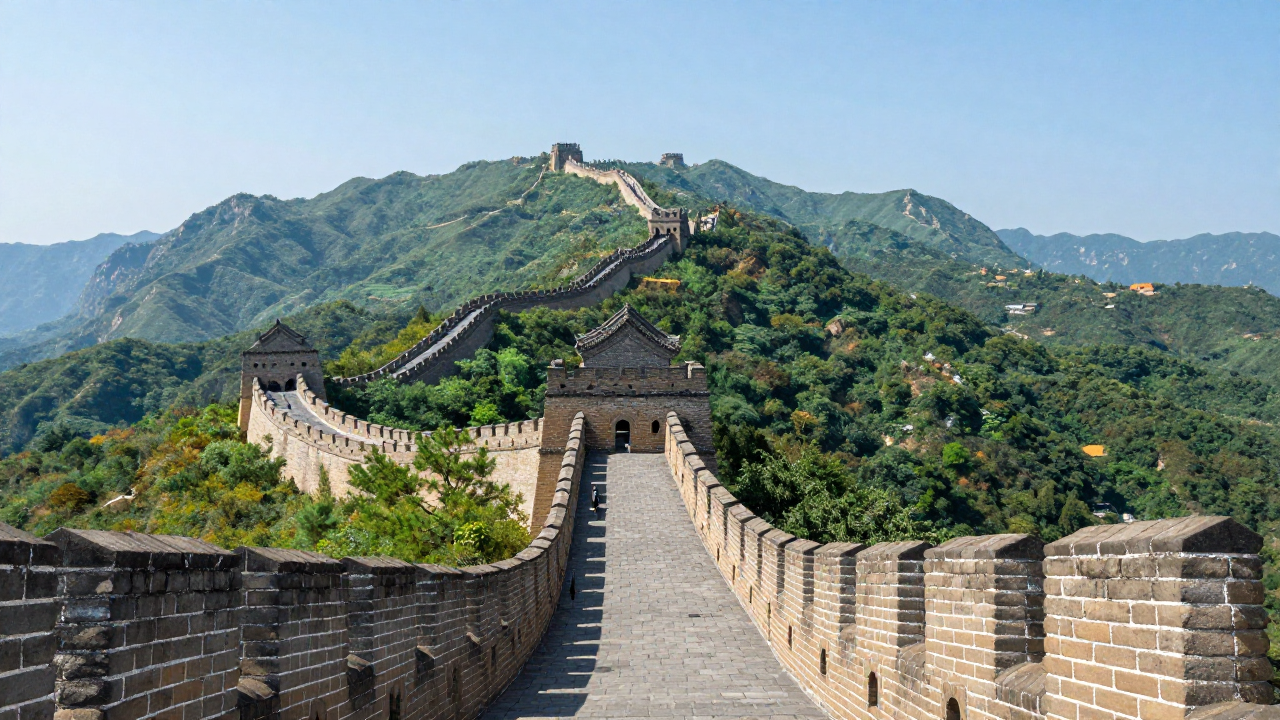
The Great Wall of China Guide is your complete resource for exploring one of the world’s most remarkable architectural achievements. Stretching across northern China for thousands of kilometers, the Great Wall stands as a symbol of Chinese history, culture, and engineering excellence. Every year, millions of visitors travel from around the globe to witness this incredible structure that has become one of the most recognizable landmarks on Earth.
Whether you are a history enthusiast, an adventure traveler, or someone planning their first trip to China, this Great Wall of China Guide will help you understand everything about the monument. From its fascinating history and construction to the best sections to visit and practical travel tips, this guide provides all the essential information needed for an unforgettable experience.
What Is the Great Wall of China?
The Great Wall of China is a massive network of walls, watchtowers, fortresses, and defensive structures built over many centuries to protect Chinese states and empires from invasions. Rather than being a single continuous wall, it consists of multiple interconnected sections constructed by various dynasties.
Today, the Great Wall is recognized as one of humanity’s greatest engineering accomplishments and remains a powerful symbol of China’s rich cultural heritage.
History of the Great Wall of China
The origins of the Great Wall date back to the 7th century BC when various Chinese kingdoms built defensive walls to protect their territories from neighboring rivals.
Qin Dynasty (221–206 BC)
When Emperor Qin Shi Huang unified China, he connected and expanded many existing walls. This marked the beginning of what would eventually become the Great Wall of China.
Han Dynasty (206 BC–220 AD)
During the Han Dynasty, the wall was extended westward to protect important trade routes, especially those associated with the ancient Silk Road.
Ming Dynasty (1368–1644)
Most sections visible today were built during the Ming Dynasty. This period saw extensive reconstruction using bricks and stone, resulting in stronger and more durable fortifications.
Why Was the Great Wall Built?
The Great Wall served several important purposes:
- Defense against invasions
- Border control
- Military communication
- Protection of trade routes
- Regulation of immigration and trade
Watchtowers positioned along the wall allowed soldiers to communicate quickly using smoke signals during the day and fire signals at night.
How Long Is the Great Wall of China?
One of the most common misconceptions is that the Great Wall is a single structure.
According to official surveys, the Great Wall stretches approximately 21,196 kilometers (13,171 miles) across China when all branches and sections are included.
This enormous length makes it the longest man-made structure ever built.
Is the Great Wall Visible From Space?
A popular myth claims that the Great Wall can be seen from space with the naked eye.
In reality, astronauts have confirmed that the wall is generally difficult to distinguish without special equipment because it blends into the surrounding landscape.
Architecture and Design
Construction materials varied depending on local availability:
- Stone
- Bricks
- Wood
- Tamped earth
- Lime mortar
Watchtowers
Watchtowers were built at regular intervals to:
- Observe enemy movements
- Store weapons
- House soldiers
- Transmit signals
Fortresses
Strategic fortresses and passes controlled access through important mountain routes and valleys.
Best Sections of the Great Wall to Visit
Badaling
Badaling is the most popular and well-preserved section of the Great Wall.
Highlights
- Easy access from Beijing
- Restored pathways
- Family-friendly
- Visitor facilities available
Best For
- First-time visitors
- Families
- Tour groups
Mutianyu
Mutianyu offers stunning scenery and fewer crowds compared to Badaling.
Highlights
- Beautiful forest views
- Cable car access
- Toboggan ride
- Well-restored pathways
Best For
- Families
- Photographers
- Casual hikers
Jinshanling
Jinshanling is known for its breathtaking views and partially restored architecture.
Highlights
- Excellent hiking opportunities
- Less crowded
- Beautiful watchtowers
Best For
- Adventure travelers
- Serious photographers
Simatai
Simatai is famous for its dramatic mountain scenery.
Highlights
- Steep climbs
- Night tours available
- Unique architectural features
Best For
- Experienced hikers
- Night photography
Jiankou
Jiankou remains one of the wildest and most rugged sections of the Great Wall.
Highlights
- Untouched scenery
- Challenging terrain
- Incredible photography opportunities
Best For
- Experienced hikers
- Adventure seekers
Best Time to Visit the Great Wall
Spring (March–May)
Advantages:
- Pleasant temperatures
- Blooming flowers
- Clear views
Summer (June–August)
Advantages:
- Lush green landscapes
Disadvantages:
- Crowds
- Hot temperatures
Autumn (September–November)
Advantages:
- Comfortable weather
- Beautiful autumn colors
- Excellent visibility
This is often considered the best season to visit.
Winter (December–February)
Advantages:
- Snow-covered scenery
- Fewer tourists
Disadvantages:
- Cold weather
- Potential icy conditions
How to Get to the Great Wall
From Beijing
Most visitors access the Great Wall from Beijing.
Transportation options include:
Bus
Affordable and widely available.
Train
Fast and convenient for certain sections.
Private Tour
Ideal for travelers seeking convenience and flexibility.
Taxi or Ride-Sharing
Suitable for groups and families.
What to Wear When Visiting
Comfort is essential when exploring the Great Wall.
Recommended items:
- Comfortable walking shoes
- Weather-appropriate clothing
- Sunscreen
- Sunglasses
- Hat
- Reusable water bottle
For winter visits:
- Gloves
- Thermal layers
- Warm jacket
Photography Tips
The Great Wall offers some of China’s most spectacular photography opportunities.
Best Times
- Sunrise
- Sunset
- Early morning
Recommended Equipment
- Wide-angle lens
- Tripod
- Extra batteries
- Polarizing filter
Popular Photo Spots
- Mutianyu watchtowers
- Jinshanling ridges
- Simatai mountain sections
- Jiankou viewpoints
Hiking the Great Wall
Hiking is one of the most rewarding ways to experience the Great Wall.
Easy Hikes
Badaling
Well-maintained and beginner-friendly.
Mutianyu
Moderate slopes and excellent facilities.
Moderate Hikes
Jinshanling to Simatai
Offers spectacular views and historic architecture.
Challenging Hikes
Jiankou
Steep, rugged, and physically demanding.
Cultural Significance
The Great Wall represents:
- Chinese resilience
- National unity
- Military innovation
- Architectural excellence
- Cultural identity
It remains one of the strongest symbols of Chinese civilization.
UNESCO World Heritage Status
The Great Wall was designated a UNESCO World Heritage Site in 1987.
This recognition highlights its:
- Historical importance
- Cultural value
- Architectural significance
- Global heritage contribution
Interesting Facts About the Great Wall
It took over 2,000 years to build.
It stretches more than 21,000 kilometers.
Millions of workers contributed to construction.
Thousands of watchtowers line the wall.
It is one of the most visited attractions in the world.
Different dynasties built different sections.
It crosses deserts, mountains, and grasslands.
It is a UNESCO World Heritage Site.
The Ming Dynasty built most surviving sections.
It is considered one of the greatest engineering achievements in history.
Travel Tips for First-Time Visitors
- Arrive early to avoid crowds.
- Wear comfortable shoes.
- Bring water and snacks.
- Check weather conditions beforehand.
- Carry a camera.
- Choose a section that matches your fitness level.
- Book transportation in advance during peak seasons.
- Respect preservation rules and avoid climbing restricted areas.
Why the Great Wall Remains a Wonder of the World
The Great Wall combines historical importance, architectural brilliance, and breathtaking natural scenery. Few landmarks offer such a powerful connection to human history while providing unforgettable travel experiences.
Its scale, beauty, and cultural significance continue to inspire visitors from every corner of the world.
Conclusion
This Great Wall of China Guide provides everything travelers need to know before visiting one of the world’s most extraordinary landmarks. From its ancient origins and fascinating history to the best sections for hiking and photography, the Great Wall offers an unforgettable journey through China’s past and present.
Whether you choose the popular pathways of Badaling, the scenic beauty of Mutianyu, or the rugged adventure of Jiankou, visiting the Great Wall is a once-in-a-lifetime experience. With proper planning and the information provided in this Great Wall of China Guide, you can make the most of your visit and create memories that will last forever.
Frequently Asked Questions
What is the best section of the Great Wall of China to visit?
Mutianyu is often considered the best section because it combines beautiful scenery, fewer crowds, excellent restoration, and convenient facilities.
How much time do you need to visit the Great Wall?
Most visitors spend between 3 and 6 hours exploring a section of the Great Wall, including transportation from Beijing.
What is the best time of year to visit the Great Wall of China?
Autumn (September to November) is generally considered the best time because of comfortable temperatures, clear skies, and stunning fall colors.
China Tourist Attractions: The Ultimate Guide to China’s Most Amazing Destinations
