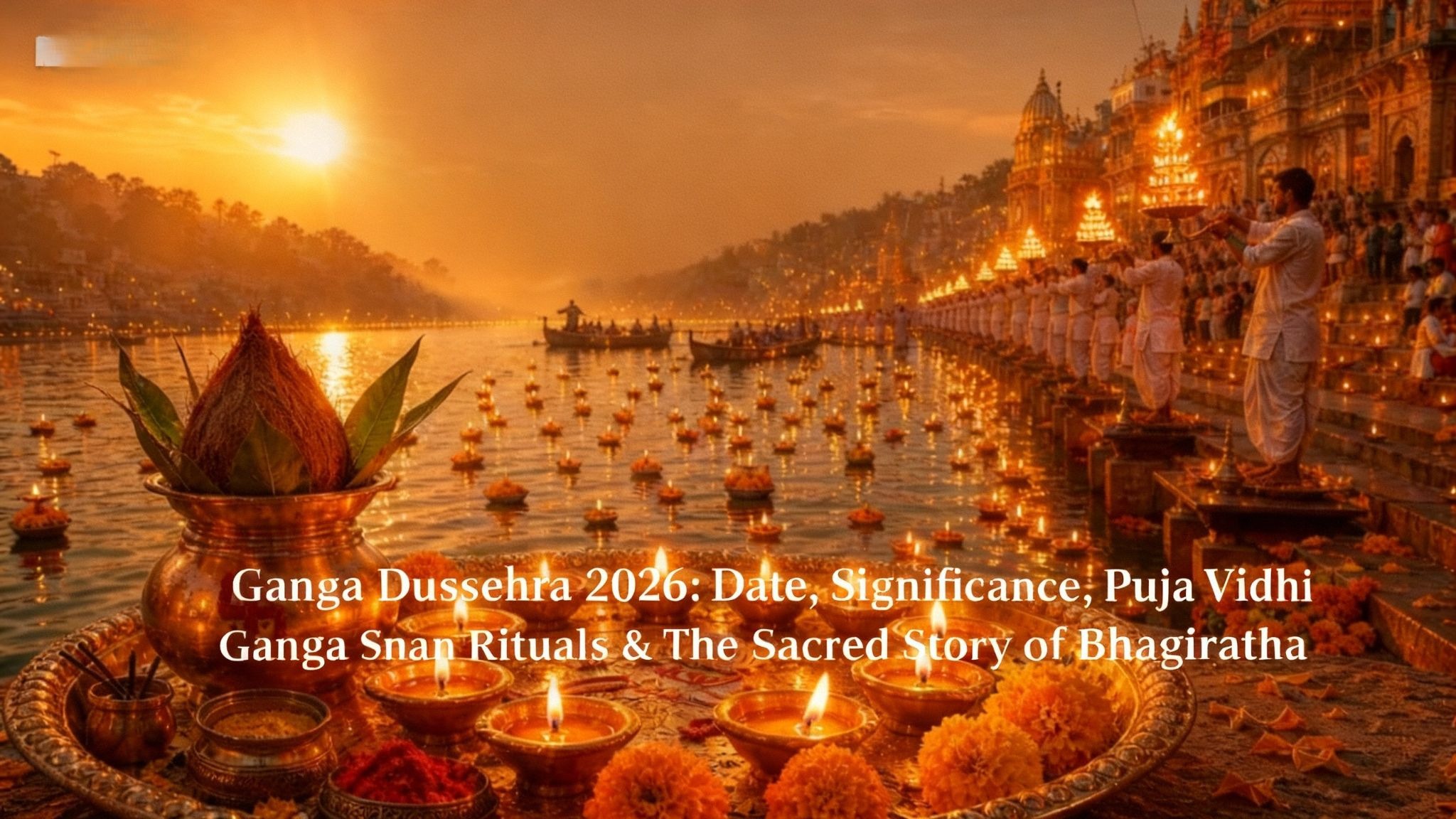
Every year, many people wait for Ganga Dussehra to feel peace, devotion, and spiritual happiness in their busy lives. Some search for the exact date, while others want to understand the real meaning and traditions behind this sacred festival. Ganga Dussehra is not just a celebration, it is a time when devotees feel connected to faith, purity, and positive energy. If you are also looking for simple and clear information about Ganga Dussehra, this guide will help you in the easiest way.
In this blog, you will discover everything about Ganga Dussehra 2026, including its date, importance, worship rituals, fasting traditions, and celebration ideas. This guide is written in a simple and helpful style so readers can quickly find the answers they truly need. Whether you want spiritual knowledge, festival preparation tips, or devotional inspiration, this article will make your journey easier and more meaningful. Keep reading to explore complete details and celebrate the festival with positivity and devotion.
What is Ganga Dussehra?
Ganga Dussehra, also known as Ganga Dashami or Gangavataran, is a sacred Hindu festival that celebrates the arrival of Goddess Ganga from heaven to Earth. According to Hindu beliefs, King Bhagiratha performed deep meditation and prayers to bring the holy river to Earth for the salvation of his ancestors.
The word Dussehra is made from:
- Dasha – Ten
- Hara – Removal or destruction
It is believed that taking a holy dip in the River Ganga on this special day helps cleanse ten types of sins connected to the body, speech, and thoughts.
What Is Ganga Dussehra? Is It the Same as Ganga Dashami?
What is Ganga Dussehra?
Ganga Dussehra is a respected Hindu festival that celebrates the arrival of Maa Ganga from heaven to Earth. Hindu tradition says that King Bhagiratha performed strong devotion and prayers to bring the holy river to Earth for the peace of his ancestors. The festival is celebrated on the Dashami Tithi, which is the tenth day of the bright half of the Jyeshtha month in the Hindu calendar.
Is Ganga Dussehra the same as Ganga Dashami?
Yes, both names are used for the same festival. The word “Dashami” refers to the tenth lunar day when the festival takes place. The term “Dussehra” comes from Dasha and Hara, meaning the removal of ten sins. In many parts of North India, people also call it Jeth Ka Dussehra because it is celebrated during the month of Jeth.
When did Ganga Dussehra start?
Hindu beliefs say that the festival began during the Treta Yuga, the period when King Bhagiratha brought the River Ganga to Earth. Since then, devotees have continued to celebrate this holy occasion every year with faith and devotion.
Why Is Ganga Dussehra Celebrated? Why Do We Celebrate It?
Ganga Dussehra is celebrated to remember the sacred occasion when Maa Ganga came down from heaven to Earth. In Hindu tradition, this day is seen as a powerful and holy moment that brought purity, blessings, and hope to humanity.
Why do we celebrate Ganga Dussehra?
Ganga Dussehra honors the divine arrival of Maa Ganga on Earth and her connection with spiritual cleansing and devotion.
Spiritual Reasons for Celebration
- Celebration of Goddess Ganga’s arrival on Earth
- Believed to wash away sins and negative energy
- Respect for King Bhagiratha’s deep dedication and prayers
- Considered an auspicious time for charity and prayers for ancestors
- Seen as a special day for inner peace and spiritual growth
Many devotees also believe that chanting the name “Ganga” ten times on this day brings positive spiritual energy and blessings.
What is the significance of Ganga Dussehra?
This festival represents purity, faith, and divine blessings. It reminds people about the importance of devotion, kindness, and spiritual connection.
Key spiritual beliefs include:
- The spiritual power of Maa Ganga is believed to be strongest on this day
- Taking a holy bath in the Ganga is thought to bring peace and purification
- Donations and good deeds are believed to bring greater spiritual rewards
- Rituals for ancestors are performed for their peace and blessings
Maa Ganga is worshipped as a loving and divine mother who guides people toward purity, peace, and spiritual freedom.
When Did Ganga Dussehra Start? The Origin Story
The beginning of Ganga Dussehra is linked to the ancient story of King Sagara from the Ikshvaku dynasty, the royal family connected to Lord Rama.
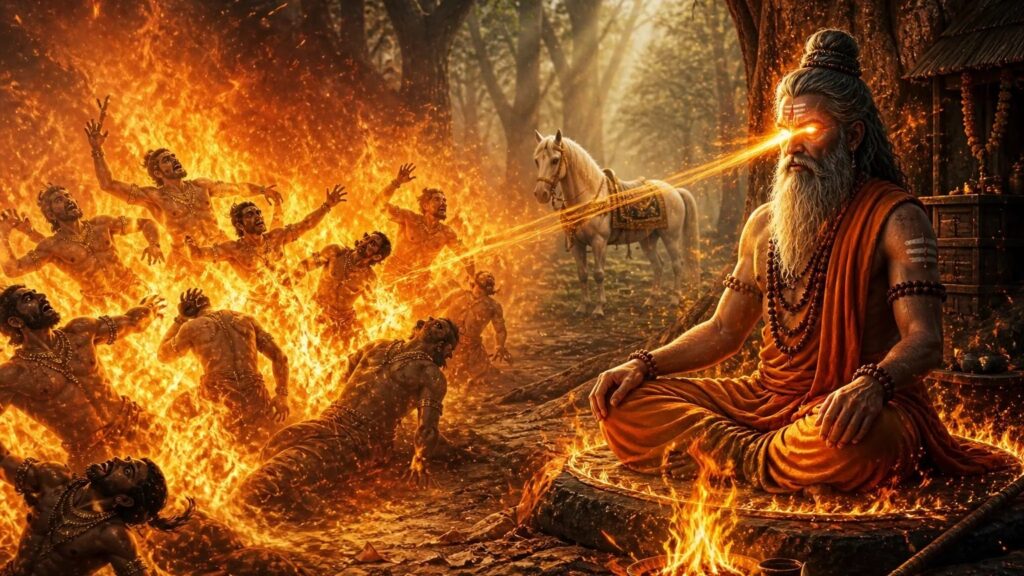
King Sagara organized the Ashwamedha Yajna, a sacred ritual that showed royal power and authority. Lord Indra became worried about the king’s increasing influence and secretly took away the sacrificial horse. He hid it near the ashram of Sage Kapila Muni. While searching for the horse, King Sagara’s sixty thousand sons reached the sage’s hermitage and unknowingly disturbed his meditation. Angered by the interruption, Sage Kapila burned all the princes to ashes with his divine power.
Their souls could not find peace or salvation because the proper final rituals were never completed. Many rulers from the same family, including Anshuman and Dilipa, tried to solve this problem but were unsuccessful.
In the end, the responsibility came to King Bhagiratha, whose devotion and determination changed the course of the story forever.
Who Is Bhagiratha? The Legend at the Heart of Ganga Dussehra
Who is Bhagiratha?
The story behind Ganga Dussehra is deeply connected with King Bhagiratha of the Ikshvaku dynasty. After Sage Kapila turned King Sagara’s sixty thousand sons into ashes, their souls could not attain peace. Many generations tried to help them, but no one succeeded until Bhagiratha took on the responsibility.
Bhagiratha’s Tapasya
- He performed deep meditation and strict penance to seek the blessings of Lord Brahma
- Lord Brahma agreed to send Goddess Ganga down to Earth
- Lord Shiva held Ganga in his matted hair to reduce the force of her flow
- Ganga then followed Bhagiratha across the land
- The holy waters of the river finally brought peace to the souls of his ancestors
Because of Bhagiratha’s great devotion and effort, the river Ganga is also known as Bhagirathi.
Even today, the phrase “Bhagirath Prayas” is used to describe a very difficult and noble effort made with complete dedication.
Who brought Ganga to Earth?
King Bhagiratha is remembered as the person who brought Ganga to Earth. When he learned about the suffering of his ancestors’ souls, he chose to leave behind royal comforts and dedicate himself fully to prayer and penance. His determination and devotion became an important part of Hindu tradition and the story of Ganga Dussehra.
The Full Story of Bhagiratha — How Ganga Came to Earth
Part 1 — Bhagiratha Pleases Lord Brahma
According to the Valmiki Ramayana, Bhagiratha traveled to Gokarna and began intense penance to seek divine help. He spent many years in deep meditation, standing with raised arms and living a life of great discipline and simplicity.
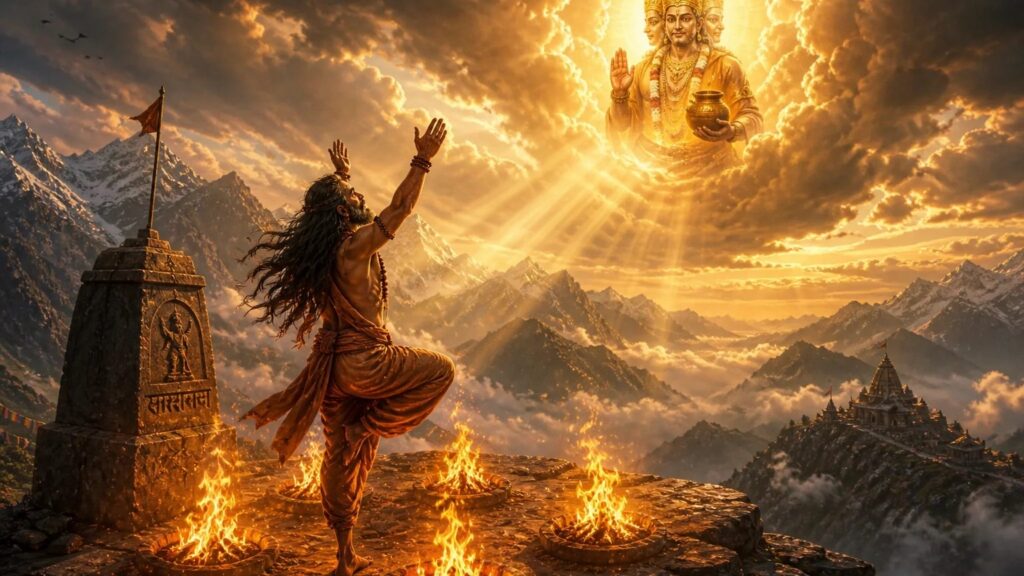
Impressed by his dedication, Lord Brahma appeared before him along with the gods and offered him a blessing. Bhagiratha requested only one thing that Goddess Ganga should descend from heaven to Earth to free the souls of his ancestors.
Lord Brahma accepted his request but explained that Ganga’s powerful flow was too strong for Earth to handle directly. He told Bhagiratha that only Lord Shiva had the strength to control her descent safely.
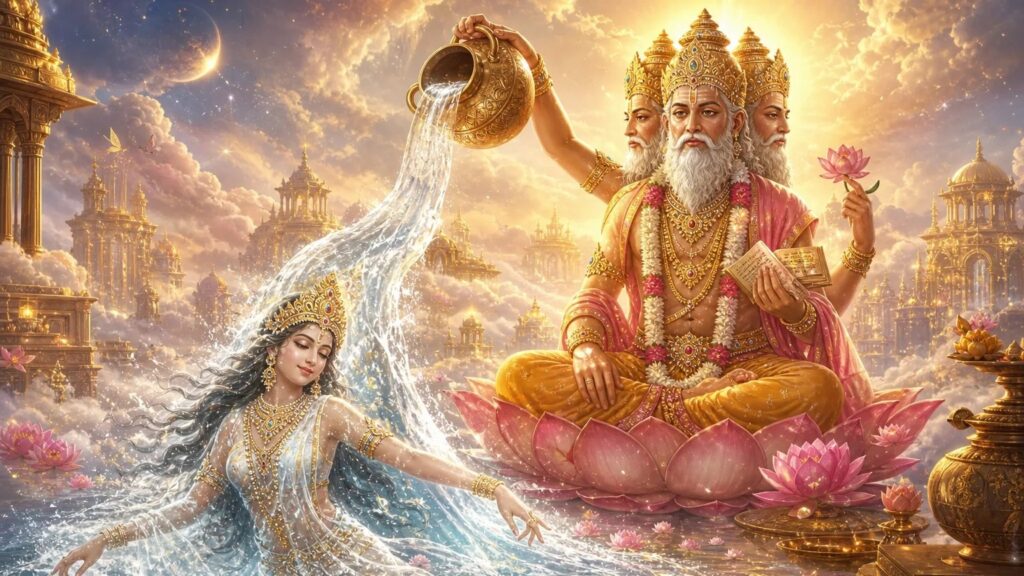
Brahma’s role in Ganga Dussehra
Before coming to Earth, Goddess Ganga stayed in the sacred water vessel, or kamandalu, of Lord Brahma. By granting Bhagiratha’s wish, Brahma helped begin the divine journey that led Ganga to Earth.
Part 2 — Bhagiratha Pleases Lord Shiva
After receiving Brahma’s guidance, Bhagiratha prayed to Lord Shiva at Mount Kailasa. He performed penance for a long time, asking Shiva to help control the force of Ganga’s descent.
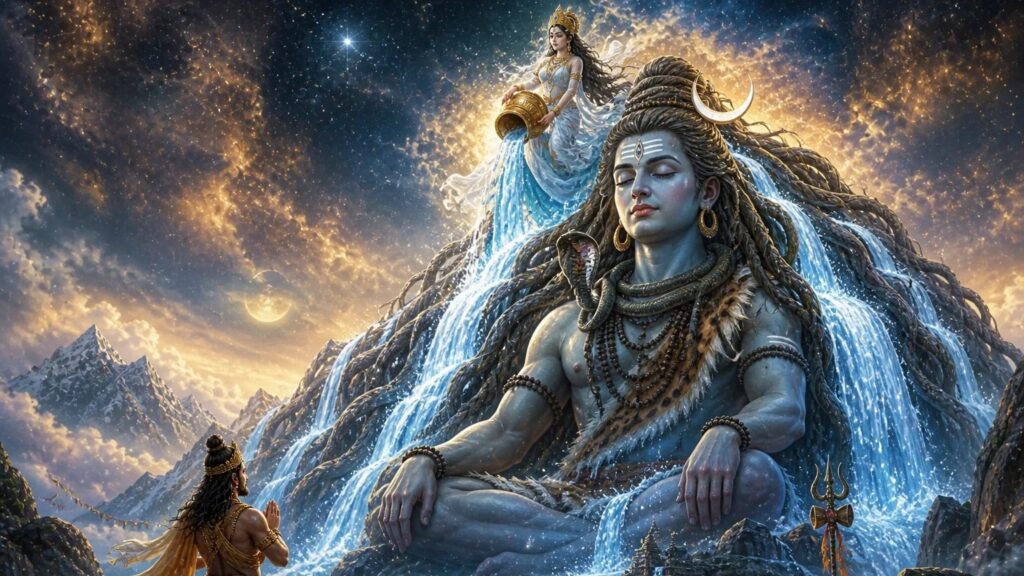
Lord Shiva was pleased with Bhagiratha’s devotion and agreed to receive Ganga in his matted hair. When Ganga rushed down from heaven with great power, Shiva trapped her within his locks and slowed her flow. Later, after more prayers from Bhagiratha, Shiva gently released her onto Earth in soft streams.
Part 3 — The Incident of Sage Jahnu
As Ganga flowed across the land, her waters entered the ashram of Sage Jahnu and disturbed his sacred ritual. Angered by this, the sage drank the entire river.
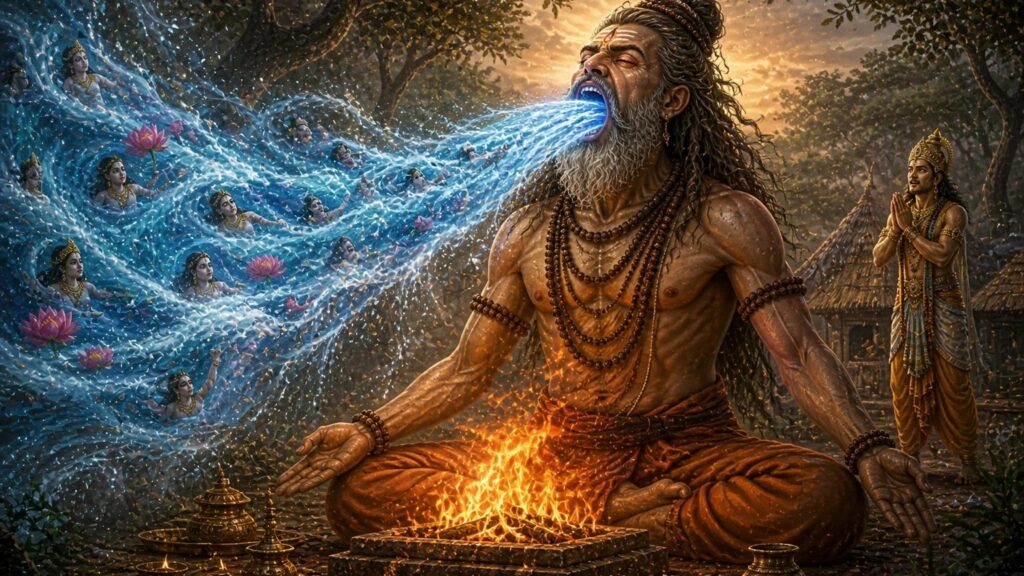
Bhagiratha respectfully requested Sage Jahnu to release Ganga again. The sage finally agreed and allowed the river to flow out through his ear. Because of this event, Ganga also became known as Jahnavi.
Part 4 — The Liberation of the Sixty Thousand
Bhagiratha continued leading Ganga across the mountains and plains of India toward the place where the ashes of King Sagara’s sixty thousand sons rested.
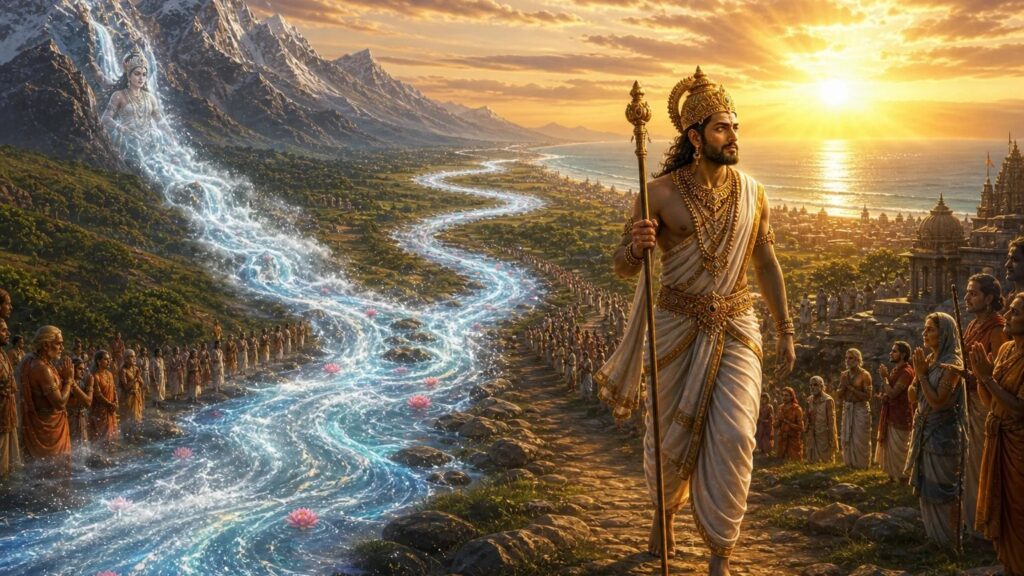
When the holy waters of Ganga touched the ashes, the souls of the princes finally received peace and liberation.
Lord Brahma then appeared and blessed Bhagiratha. He declared that the river would forever be remembered as Bhagirathi because of Bhagiratha’s great effort and devotion.
Even today, people remember Bhagiratha’s dedication through the phrase “Bhagirath Prayas,” which means a very difficult effort made for a noble purpose. His story continues to inspire devotion, determination, and selfless service.
The Role of Lord Brahma in Ganga Dussehra
Lord Brahma, known as the Creator in the Hindu trinity, plays an important part in the story of Ganga Dussehra. It was Lord Brahma who accepted Bhagiratha’s prayers and allowed Goddess Ganga to come down to Earth. Before her descent, Ganga was believed to stay in Brahma’s sacred water vessel, carrying heavenly purity with her.
Brahma God and the Ganga
In Hindu beliefs, Goddess Ganga is said to have originated from the feet of Lord Vishnu. Lord Brahma then held her in his kamandalu before she finally came to Earth through the devotion of Bhagiratha and the blessings of Lord Shiva. Because of this, Brahma, Vishnu, and Shiva are all closely connected to the story of Ganga Dussehra.
Brahma Lord and the Brahma Lotus
Lord Brahma is also linked with the Brahma Kamal, a rare and sacred flower found in the Himalayan region near the source of the Ganga River. Offering this flower during Ganga Dussehra is considered very auspicious and is believed to please both Lord Brahma and Maa Ganga.
Brahma Temple and Ganga Dussehra
One of the most famous temples dedicated to Lord Brahma is the Brahma Temple in Pushkar, Rajasthan. Many devotees visit this holy place during Ganga Dussehra to offer prayers and remember Brahma’s important role in bringing Ganga to Earth.
Brahman Naman
Brahman Naman means showing respect and offering prayers to Lord Brahma before beginning sacred rituals. During Ganga Dussehra worship, many devotees first remember Lord Brahma before chanting prayers dedicated to Maa Ganga.
Brahma Muhurta and Ganga Snan
Brahma Muhurta is the peaceful time before sunrise and is considered highly sacred in Hindu tradition. Many people choose this early morning period for Ganga Snan on Ganga Dussehra because it is believed to be the best time for prayer, meditation, and spiritual connection.
Ganga Dussehra 2026 — Date & Tithi Timings
Ganga Dussehra 2026 will be celebrated on Monday, 25 May 2026. Devotees across India will observe this sacred day with Ganga Snan, prayers, fasting, and acts of charity.
📅🌊Ganga Dussehra 2026 – Tithi & Auspicious Timings
🌙 Dashami Tithi begins04:30 AM · 25 May 2026
🌙 Dashami Tithi ends05:10 AM · 26 May 2026
✨ Hasta Nakshatra begins04:08 AM · 26 May 2026
✨ Hasta Nakshatra ends05:56 AM · 27 May 2026
🌀 Vyatipata Yoga (start)03:11 AM · 27 May 2026
🌀 Vyatipata Yoga (end)03:25 AM · 28 May 2026
🪔 Best time for Ganga SnanBrahma Muhurta, 25 May (pre-dawn onwards)
🔱 Also known asGanga Dashami · Jeth Ka Dussehra · Gangavataran
The Dashami Tithi starts early in the morning on 25 May and continues until 26 May 2026. Because of this, the full day of Monday remains highly auspicious for holy bathing, worship, donations, and spiritual activities.
Why is Ganga Dussehra 2026 especially powerful?
Ganga Dussehra 2026 is considered very special because several sacred timings and planetary combinations are coming together around the same period. The presence of Dashami Tithi, Hasta Nakshatra, and Vyatipata Yoga creates a spiritually important time for devotees.
Many people believe this rare combination increases the positive energy of prayers, Ganga Snan, and charitable acts, making this year’s celebration even more meaningful and auspicious.
The Jyeshtha Month and Dashami Tithi — Sacred Significance
Ganga Dussehra is celebrated during the Jyeshtha month, which is the third month in the Hindu lunar calendar and usually falls in May or June. The word “Jyeshtha” means “greatest” or “elder,” and this month is considered spiritually important in Hindu tradition.
What is Dashami Tithi?
Dashami Tithi is the tenth lunar day in the Hindu calendar. Jyeshtha Shukla Dashami is regarded as a very sacred occasion because it is believed to be the day when Goddess Ganga came down from heaven to Earth.
When is Dashami?
In 2026, Dashami Tithi will be observed on 25 May 2026. The Tithi starts at 04:30 AM and continues until 05:10 AM on the next day.
Is Dashami a good day?
Yes, Dashami Tithi is considered highly favorable for spiritual activities. Many devotees choose this day for Ganga Snan, worship, donations, prayers, and starting new religious practices.
Other sacred observances in the Jyeshtha month include:
- Jyeshtha Purnima — the full moon day linked with Vat Purnima and Savitri Puja
- Jyeshtha Amavasya — the new moon day observed for prayers and offerings to ancestors
Among all the holy days of the Jyeshtha month, Ganga Dussehra on Dashami Tithi is considered one of the most sacred and spiritually important celebrations.
Ganga Dussehra Puja Thali — What to Keep & Why
The Puja Thali is one of the most important parts of Ganga Dussehra worship. On this sacred Dashami Tithi, many devotees arrange items in sets of ten because the number ten holds special meaning in this festival. Brass or copper thalis are commonly used, as these metals are considered pure and suitable for religious rituals.
Here is a complete list of items usually included in a Ganga Dussehra Puja Thali:
| # | Thali Item | Sacred Significance |
| 1 | 10 Diyas (Oil Lamps) | Ten lamps symbolize the removal of ten sins. They are usually lit with pure ghee and kept glowing during the puja. |
| 2 | 10 Types of Flowers | Different flowers like lotus, rose, jasmine, and marigold are offered to Maa Ganga as a sign of devotion. Brahma Kamal is considered highly sacred if available. |
| 3 | 10 Types of Leaves | Sacred leaves such as mango leaves, tulsi, and betel leaves are offered during worship as symbols of purity and respect. |
| 4 | Akshat (Unbroken Rice Grains) | Rice mixed with turmeric is used during prayers and Sankalpa. It represents prosperity, peace, and purity. |
| 5 | Haldi (Turmeric) | Turmeric is kept in the thali for purification and positive energy during worship rituals. |
| 6 | Kumkum (Vermilion) | Kumkum is used for tilak and offered to Maa Ganga as a sign of blessings and devotion. |
| 7 | Coconut | The coconut symbolizes purity, surrender, and faith. It is placed near the Kalash or idol during puja. |
| 8 | Copper Kalash with Ganga Jal | A copper or brass pot filled with Ganga water represents the sacred presence of Maa Ganga in the home. |
| 9 | Incense Sticks (Agarbatti) | Incense is lit to create a peaceful and spiritual atmosphere during the worship ceremony. |
| 10 | Ghanta (Bell) | Ringing the bell at the start of puja is believed to remove negative energy and invite positive vibrations. |
| 11 | Camphor (Kapoor) | Camphor is used during Ganga Aarti and symbolizes purity and complete devotion. |
| 12 | Tulsi Leaves | Tulsi leaves are considered sacred and are an important offering in Ganga worship. |
| 13 | 10 Types of Fruits | Seasonal fruits are offered as bhog or prasad and later distributed among family members and devotees. |
| 14 | Sesame Seeds (Til) | Sesame seeds are often donated or used during rituals as a symbol of charity and spiritual cleansing. |
| 15 | Dakshina (Coin) | A small money offering is placed on the thali as a gesture of respect, gratitude, and charity. |
| 16 | Sandalwood Paste (Chandan) | Chandan is applied to the Kalash and used during puja for its cooling and sacred qualities. |
| 17 | Rudraksha or Tulsi Mala | These malas are used for chanting mantras and keeping the mind focused during prayers. |
| 18 | Ganga Dussehra Patra (Dwar Patra) | A sacred paper or inscription with Ganga mantras is kept during puja and later placed at the entrance of the home for blessings and protection. |
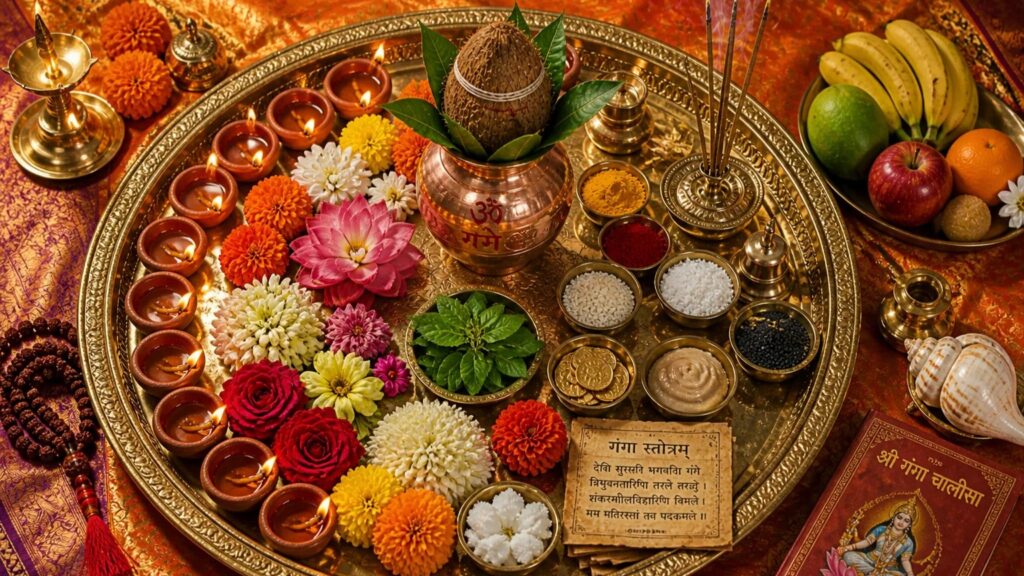
The Golden Rule of Ganga Dussehra Puja Thali
Traditionally, many items in the Puja Thali are kept in groups of ten or in multiples of ten. This is because the number “Dasha” (ten) is deeply connected with Ganga Dussehra and symbolizes the cleansing of ten types of sins through the blessings of Maa Ganga.
Puja Vidhi — Step-by-Step Ganga Dussehra Puja 2026
Follow this simple Ganga Dussehra Puja Vidhi on Monday, 25 May 2026:
1. Morning Purification
Wake up during Brahma Muhurta and take a bath. Many devotees add a few drops of Ganga Jal to the water for spiritual cleansing.
2. Prepare Worship Space
Clean the worship area and place a Kalash on a neat cloth facing the east direction.
3. Sankalpa
Hold a flower and a coin in your hands and make a sincere prayer or spiritual promise before starting the puja.
4. Offerings
Offer flowers, fruits, diyas, and other puja items, preferably in groups of ten.
5. Mantra Chanting
Chant the following mantra 10 times:
Om Namah Shivaayai Narayanyai Dashaharayai Gangayai Namah
6. Charity
Donate food, water, clothes, or useful items to people in need as part of the festival tradition.
7. Aarti and Prayer
Light diyas, perform Ganga Aarti, and pray for peace, purity, and blessings for your family.
Cannot Visit the River?
If you cannot travel to the Ganga River, you can still perform the complete puja at home. Fill a copper Kalash with Ganga Jal and treat it as the symbolic form of the holy river. Sprinkle a few drops on your head during the bathing ritual and chant the Ganga mantra with devotion. Hindu tradition teaches that sincere prayer from home is equally valued by Maa Ganga.
Famous Temples Associated with Ganga Dussehra
1. Gangotri Temple — Uttarkashi, Uttarakhand
Located high in the Garhwal Himalayas at around 3,100 meters, Gangotri Temple is one of the holiest places connected to Goddess Ganga. This famous Char Dham temple was built in the 18th century by Amar Singh Thapa and is dedicated entirely to Maa Ganga.
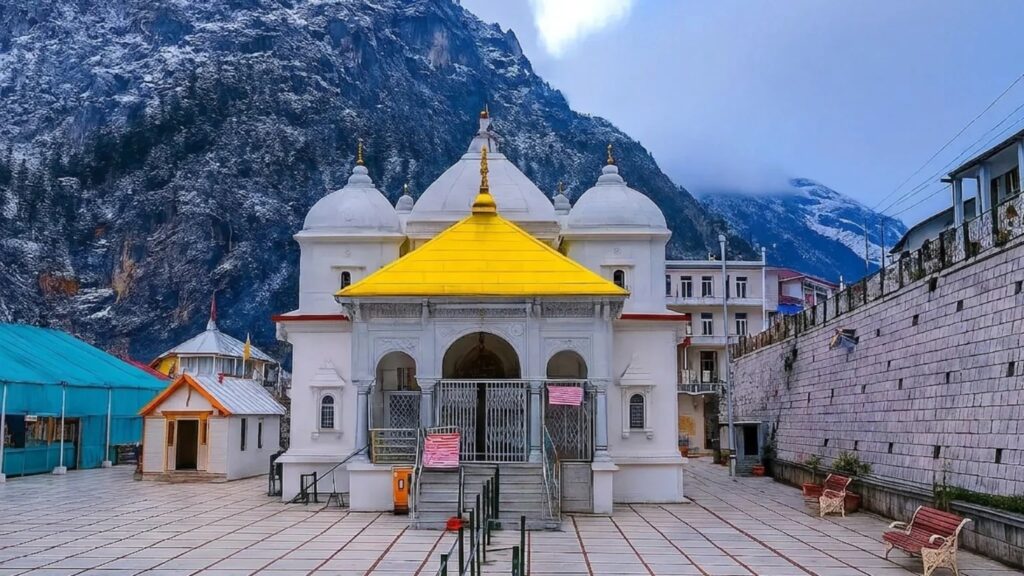
Inside the temple, devotees can also see idols of King Bhagiratha and Adi Shankaracharya. Near the temple lies Bhagirath Shila, the sacred rock where Bhagiratha is believed to have prayed to Lord Shiva.
The Bhagirathi River flows beside the temple, making this place deeply connected to the origin story of the Ganga. During Ganga Dussehra, thousands of pilgrims visit the temple for special prayers and holy bathing rituals.
2. Har Ki Pauri — Haridwar, Uttarakhand
Har Ki Pauri is one of the most famous ghats on the banks of the Ganga River and a major center for Ganga Dussehra celebrations. The name means “Footsteps of Lord Vishnu,” and many devotees believe Lord Vishnu once visited this sacred place.
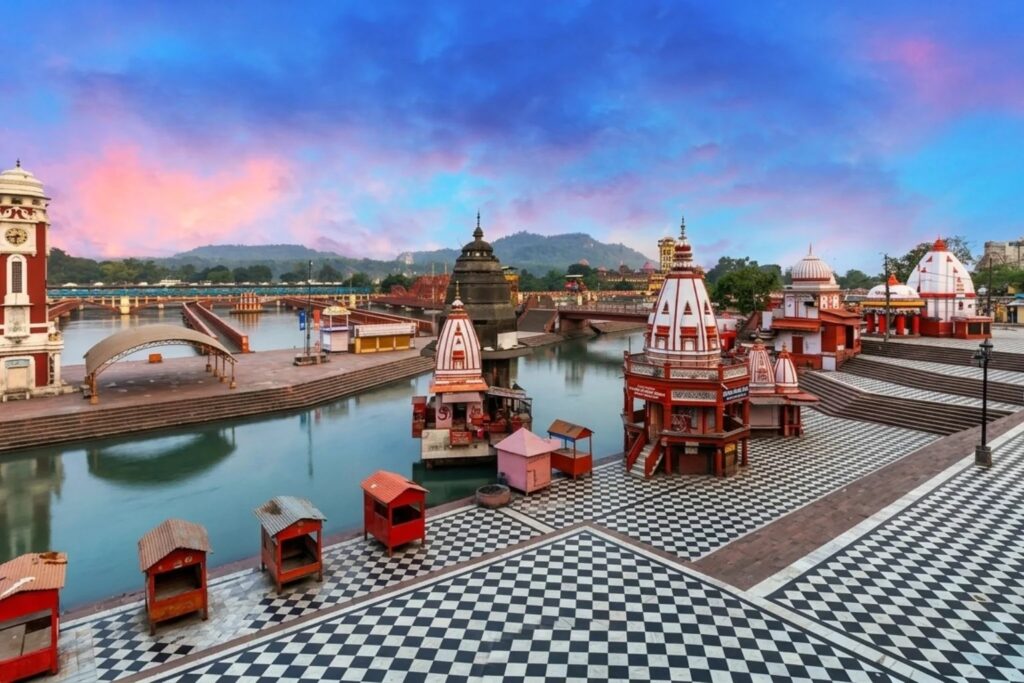
It is also believed that this is the point where the Ganga entered the plains after flowing through the mountains. The sacred Brahmakund at Har Ki Pauri attracts huge crowds during the festival.
The evening Ganga Aarti here is known across India for its spiritual atmosphere. During Ganga Dussehra, the sight of glowing diyas, temple bells, chants, and prayers creates a deeply devotional experience for visitors.
3. Kashi Vishwanath Temple — Varanasi, Uttar Pradesh
Kashi Vishwanath Temple is one of the most important temples dedicated to Lord Shiva. Since Lord Shiva played a major role in controlling the descent of Ganga to Earth, this temple has a strong connection with Ganga Dussehra.
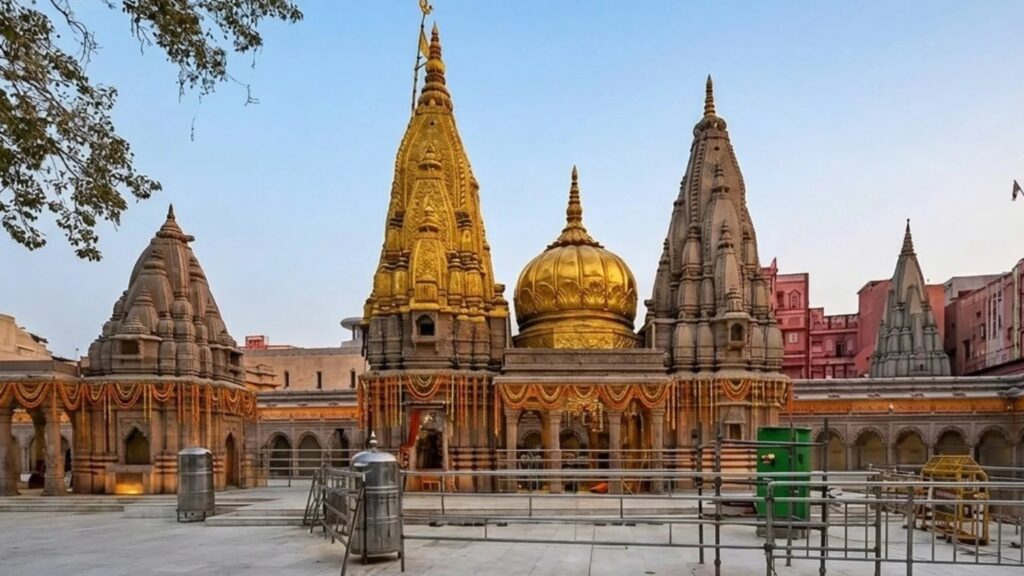
The temple stands close to Dashashwamedh Ghat, where the famous Ganga Aarti takes place every evening. On Ganga Dussehra, the ghats of Varanasi become filled with lights, prayers, and thousands of devotees.
Many people believe that taking a holy dip in the Ganga and visiting Kashi Vishwanath Temple on this sacred day brings spiritual blessings and inner peace.
4. Triveni Sangam & Alopi Devi Mandir — Prayagraj, Uttar Pradesh
Prayagraj is famous for the Triveni Sangam, the holy meeting point of the Ganga, Yamuna, and Saraswati rivers. Bathing at the Sangam during Ganga Dussehra is considered extremely sacred by devotees.
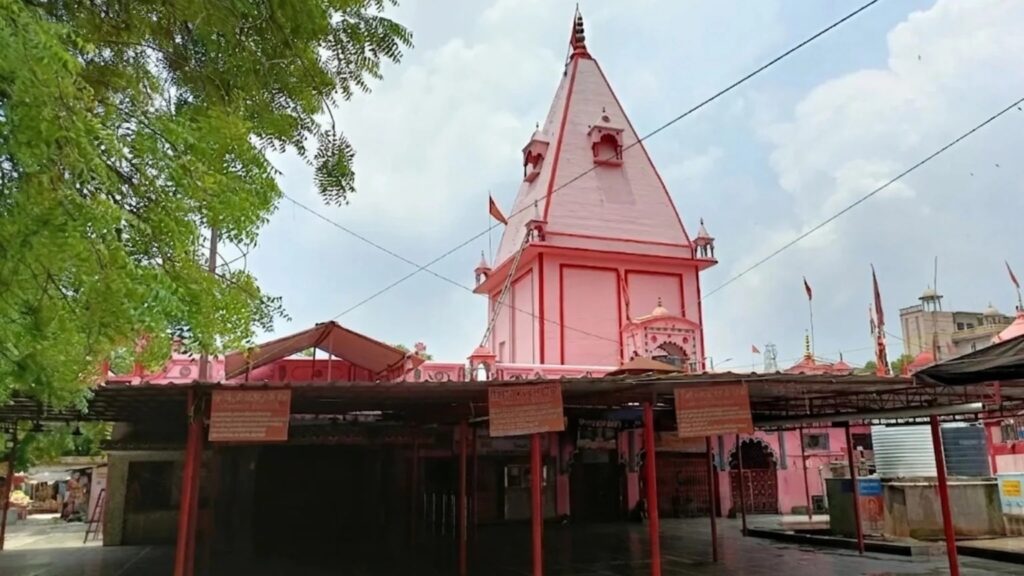
The Alopi Devi Mandir and Mankameshwar Temple are also important places of worship in Prayagraj during this festival. Many devotees offer prayers and perform rituals for their ancestors at the Sangam.
Prayagraj is also known for hosting the Kumbh Mela, which makes it one of the biggest spiritual centers connected to Ganga worship in India.
Is Ganga Dussehra Auspicious?
Yes, Ganga Dussehra is considered extremely auspicious in Hindu tradition. It is believed to be one of the most spiritually powerful days of the year because it marks the divine descent of Maa Ganga to Earth.
The Dashami Tithi is naturally seen as a strong time for purification and holy bathing practices. On this day, the spiritual energy of the Ganga is believed to be at its highest, making prayers and rituals more meaningful.
Even chanting the name “Ganga” ten times on this day is said to bring great spiritual benefit. A single holy dip in the river during Ganga Dussehra is believed to remove many types of sins related to actions, words, and thoughts.
In 2026, the presence of Hasta Nakshatra and Vyatipata Yoga in the following days is believed to extend the sacred and positive energy of this period even further.
Ancient beliefs say that anyone who takes a holy bath in the Ganga or chants her name with devotion on Ganga Dussehra receives spiritual cleansing and inner peace.
Ganga Dussehra Patra — The Dwar Patra Tradition
One special and less commonly known tradition of Ganga Dussehra is the Ganga Dussehra Patra, also called the Dwar Patra custom. This practice is mainly followed in Uttarakhand, especially in the Kumaon region.
On this day, priests prepare sacred written sheets that were traditionally made on bhojpatra, the bark of the Himalayan birch tree. These sacred writings are then given to families, who place them on their main entrance or doorframe on Dashami Tithi.
The Dwar Patra usually contains the names of five revered sages, along with holy mantras dedicated to Maa Ganga. Placing it at the home entrance is believed to invite blessings, protect the house from negative influences, and keep the family under Maa Ganga’s divine care throughout the year.
Bhojpatra has been used since ancient times for writing religious texts due to its purity and spiritual importance. Its use in the Dwar Patra tradition makes the ritual even more sacred and meaningful for devotees.
Key Pilgrimage Sites for Ganga Snan on Ganga Dussehra 2026
| Location | Significance |
| Haridwar — Har Ki Pauri | Ganga enters the plains here; main center of Ganga Dussehra celebrations; huge gathering of devotees |
| Varanasi — Dashashwamedh Ghat | Ancient spiritual city; famous evening Maha Aarti on Ganga Dussehra; Kashi Vishwanath Temple is nearby |
| Prayagraj — Triveni Sangam | Sacred meeting point of Ganga, Yamuna, and Saraswati; very important for ancestral offerings on Dashami |
| Rishikesh | Peaceful Ganga Snan spots like Ram Jhula and Laxman Jhula; known for yoga and spiritual calmness |
| Garhmukteshwar | One of the oldest holy towns on the Ganga in Uttar Pradesh, important for sacred bathing rituals |
| Gangotri | Origin point of the Ganga in the Himalayas; linked with Bhagiratha’s deep penance and devotion |
| Ganga Sagar, West Bengal | Place where Ganga meets the sea; linked with Bhagiratha’s ancestors and the origin of this sacred story |
Ganga Dussehra 2026 Wishes, Status & Messages
Share these simple and heartfelt Ganga Dussehra wishes with your family and friends:
༄ ॐ ༄
| Message Type | Wishes |
| 🌊 Ganga Snan | May the holy waters of Maa Ganga remove your worries, pain, and negativity. Wishing you a peaceful and blessed Ganga Dussehra 2026. Jai Ganga Maiya! |
| 🌺 Divine Blessings | On this sacred Jyeshtha Dashami, may Maa Ganga fill your life with peace, clarity, and happiness. Happy Ganga Dussehra 2026! |
| 🕉️ Bhagirath Prayas | Just like Bhagiratha’s strong devotion brought Ganga to Earth, may your faith help you overcome every challenge. Jai Maa Ganga! |
| 🌊 Punya Parva | Happy Ganga Dussehra Punya Parva! May this holy Dashami Tithi of 25 May 2026 bring peace, healing, and new hope to you and your family. |
| 🙏 Trinity Blessings | As Maa Ganga came to Earth with blessings of Lord Shiva and Lord Brahma, may she bring health, happiness, and prosperity to your home. Happy Ganga Dussehra 2026! |
FAQs
When is Ganga Dussehra celebrated in 2026?
Ganga Dussehra 2026 is on 25 May, and this Ganga Dussehra is a holy day for prayer and bathing.
Why is Ganga Dussehra important?
Ganga Dussehra is important because Maa Ganga came to Earth on this Ganga Dussehra day.
What is the puja vidhi for Ganga Dussehra?
Ganga Dussehra puja vidhi includes bath, prayer, and mantra chanting.
Where to do Ganga Snan on Ganga Dussehra?
Ganga Snan on Ganga Dussehra is done in rivers or at home with Ganga Jal.
What is Bhagiratha’s story in Ganga Dussehra?
Bhagiratha’s devotion is the reason behind Ganga Dussehra.
Conclusion
Ganga Dussehra 2026 is not just a festival, it is a deep reminder of faith, purity, and devotion. From the sacred story of Bhagiratha to the divine descent of Maa Ganga, every part of this celebration carries spiritual meaning. On this holy day, people come together to pray, take Ganga Snan, and seek inner peace and blessings. It is believed that even simple devotion on this day brings positive energy and removes negativity from life. Ganga Dussehra inspires everyone to follow the path of truth, kindness, and spiritual growth.
As we learn about the rituals, timings, and significance of Ganga Dussehra, we also understand the value of faith and dedication in our lives. This sacred occasion teaches us that true blessings come through devotion and good deeds. Ganga Dussehra 2026 gives everyone a chance to reconnect with spirituality and start fresh with a pure heart. By remembering Maa Ganga and the story of Bhagiratha, we carry forward a timeless tradition of hope, purity, and divine grace.
