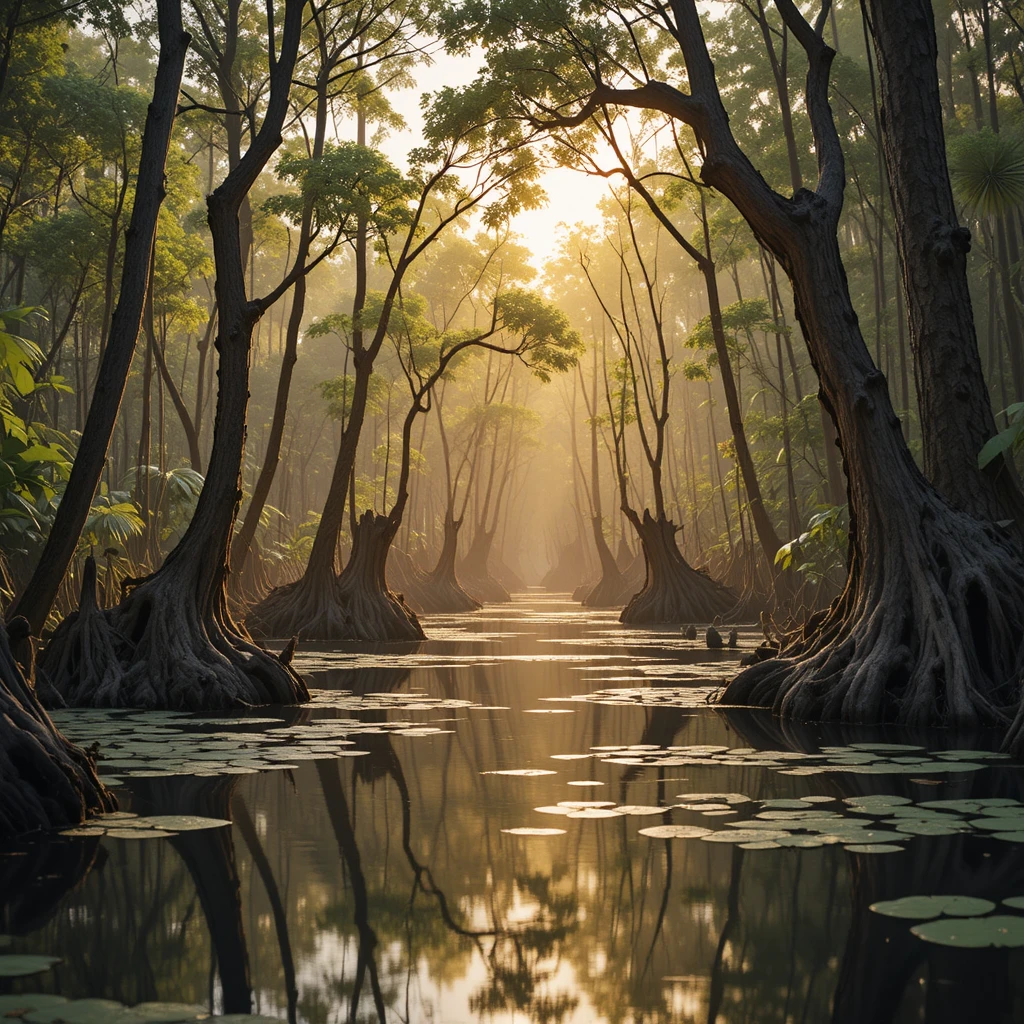
The Everglades National Park Guide is your complete resource for discovering one of the most unique natural landscapes in the United States. Located in southern Florida, Everglades National Park is a vast wilderness filled with mangrove forests, freshwater marshes, coastal prairies, and diverse wildlife. Unlike traditional national parks with mountains and forests, the Everglades offers a rare ecosystem where water, plants, and animals exist together in a delicate balance. Visitors from around the world come here to experience breathtaking scenery, observe rare species, and explore one of the most important protected areas in North America.
Known as the “River of Grass,” the Everglades is a slow-moving freshwater ecosystem that stretches across millions of acres. The park provides a safe habitat for iconic animals such as American alligators, manatees, crocodiles, turtles, and hundreds of bird species. Whether you are planning your first visit, a family vacation, a photography trip, or an outdoor adventure, this Everglades National Park Guide will help you understand everything you need to know before exploring this incredible destination.
From thrilling airboat rides and wildlife spotting to peaceful kayaking routes and scenic hiking trails, Everglades National Park offers countless ways to connect with nature. This guide covers the best attractions, activities, seasons to visit, travel tips, safety advice, and hidden gems that will help you make the most of your journey through Florida’s famous wetlands.
Overview of Everglades National Park
Everglades National Park was established in 1947 to protect one of the most extraordinary ecosystems in the world. Covering more than 1.5 million acres, it is the largest subtropical wilderness in the United States and a UNESCO World Heritage Site. The park protects a combination of freshwater wetlands, saltwater environments, forests, and coastal areas.
Unlike many national parks, Everglades does not have towering mountains or dramatic cliffs. Instead, its beauty comes from its incredible biodiversity and peaceful landscapes. The park is a living example of how water shapes an entire ecosystem and supports thousands of species.
The Everglades ecosystem extends beyond the national park boundaries and plays an essential role in Florida’s environmental health. It helps control flooding, provides clean water, protects coastal areas, and supports wildlife populations.
Where Is Everglades National Park Located?
Everglades National Park is located in southern Florida, near several major cities and tourist destinations. The park has multiple entrances, making it easy to explore from different parts of the state.
The main entrances include:
Homestead Entrance (Ernest F. Coe Visitor Center)
The Homestead entrance is the most popular gateway for visitors coming from Miami or Fort Lauderdale. It provides access to many famous attractions, including:
- Anhinga Trail
- Royal Palm area
- Flamingo region
- Long Pine Key
This entrance is ideal for first-time visitors because it offers visitor facilities, educational exhibits, and easy access to wildlife viewing areas.
Shark Valley Entrance
Located west of Miami, Shark Valley is famous for its 15-mile scenic loop road. Visitors can explore the area by:
- Tram tours
- Bicycles
- Walking
The area is one of the best places to see alligators because the open wetlands provide excellent wildlife visibility.
Gulf Coast Entrance (Everglades City)
The Gulf Coast entrance provides access to the Ten Thousand Islands region. This area is perfect for:
- Kayaking
- Boat tours
- Bird watching
- Exploring mangrove islands
Each entrance offers a different experience, so choosing the right one depends on your interests and available time.
Best Time to Visit Everglades National Park
Choosing the right season can greatly improve your experience. The Everglades has two main seasons: the dry season and the wet season.
Dry Season (December to April) – Best Time to Visit
The dry season is considered the best time for most travelers. During these months:
- Temperatures are comfortable
- Mosquito levels are lower
- Wildlife is easier to spot
- Roads and trails are usually more accessible
Many animals gather around remaining water sources, making wildlife viewing opportunities excellent.
The winter months also attract visitors escaping colder climates, so popular areas can become busy.
Wet Season (May to November)
The wet season brings:
- Higher temperatures
- Increased humidity
- Frequent rainfall
- More insects
However, this season has its own advantages:
- Fewer crowds
- Lush green landscapes
- Active wildlife
- Better opportunities for experienced photographers
If you visit during summer, plan activities early in the morning or late afternoon to avoid extreme heat.
How to Get to Everglades National Park
The easiest way to reach Everglades National Park is by car. Public transportation options are limited, so renting a vehicle is recommended.
From Miami
Miami is the closest major city and a common starting point.
- Distance to Homestead Entrance: About 40 miles
- Driving time: Approximately 1 hour
From Fort Lauderdale
- Distance: Around 70 miles
- Driving time: About 1.5 hours
From Naples
Visitors coming from Florida’s Gulf Coast can reach the Gulf Coast entrance.
- Distance: Approximately 45 miles
- Driving time: About 1 hour
Having your own vehicle allows you to explore different areas of the park at your own pace.
Everglades National Park Visitor Centers
Visitor centers are excellent starting points for learning about the park, getting maps, and receiving updated information.
Ernest F. Coe Visitor Center
Located near Homestead, this is the park’s main visitor center. It provides:
- Maps
- Exhibits
- Educational displays
- Ranger information
Flamingo Visitor Center
Located at the southern end of the park, Flamingo offers access to:
- Boat tours
- Canoeing
- Wildlife viewing
- Camping facilities
Shark Valley Visitor Center
This center focuses on the freshwater wetlands and provides information about:
- Wildlife
- Tram tours
- Hiking opportunities
Gulf Coast Visitor Center
This location introduces visitors to the coastal ecosystem and the Ten Thousand Islands.
Best Things to Do in Everglades National Park
The Everglades National Park Guide is incomplete without exploring the unforgettable activities available throughout this incredible wilderness. The park offers a wide range of experiences for nature lovers, adventure seekers, families, and photographers. From peaceful walks through tropical landscapes to exciting boat rides through mangrove waterways, there is something for every type of traveler.
Unlike many national parks that focus on mountain views or dramatic scenery, Everglades National Park invites visitors to slow down and appreciate the small details of nature. The sounds of birds, the movement of alligators through the water, and the beauty of endless wetlands create a unique adventure that cannot be found anywhere else.
Explore the Anhinga Trail – The Best Wildlife Viewing Trail
The Anhinga Trail is one of the most popular and accessible attractions in Everglades National Park. Located near the Royal Palm Visitor Center, this short trail is perfect for first-time visitors who want to experience the park’s wildlife without a long hike.
The trail passes through a freshwater marsh known as Taylor Slough, where animals gather around the water.
Visitors commonly see:
- American alligators
- Anhinga birds
- Herons
- Egrets
- Turtles
- Fish
- Snakes
The Anhinga Trail is especially beautiful during the dry season when wildlife becomes easier to spot.
Why Visit Anhinga Trail?
- Easy walking path
- Excellent photography opportunities
- Great for families
- Accessible for most visitors
- High chance of wildlife sightings
For many travelers, this trail becomes the highlight of their entire Everglades experience.
Take an Airboat Tour Through the Everglades
An airboat ride is one of the most famous experiences associated with Florida’s wetlands. These flat-bottomed boats glide across shallow waters and allow visitors to explore areas that cannot be reached by regular boats.
Airboat tours are popular because they provide:
- Close views of wildlife
- Educational information from local guides
- Exciting rides through wetlands
- Unique views of the ecosystem
During an airboat adventure, you may see:
- Alligators resting near the water
- Birds flying above the marshes
- Fish swimming through shallow channels
- Beautiful wetland landscapes
Although many private airboat operators operate near the park, visitors should choose responsible companies that follow wildlife protection practices.
Experience Shark Valley Scenic Drive
Shark Valley is one of the most famous areas inside Everglades National Park. It features a 15-mile paved loop that takes visitors deep into the freshwater marsh ecosystem.
You can explore Shark Valley through:
Tram Tours
The guided tram tour is one of the easiest ways to learn about the Everglades. Naturalists explain:
- Wildlife behavior
- Plant species
- Ecosystem history
- Conservation efforts
Bicycle Riding
Cycling the Shark Valley Loop is a memorable adventure for active travelers. The flat terrain makes it suitable for many visitors, but the Florida heat can make the journey challenging.
Walking
Visitors can walk portions of the loop while enjoying peaceful views of the wetlands.
Wildlife at Shark Valley
This area is famous for frequent alligator sightings. It is also home to:
- Hawks
- Vultures
- Snail kites
- Wading birds
- Turtles
Kayaking and Canoeing in the Everglades
For travelers who want a quieter and more personal experience, kayaking is one of the best ways to explore the park.
Paddling through the Everglades allows visitors to enter narrow waterways surrounded by mangrove forests and observe nature from a peaceful perspective.
Popular kayaking locations include:
Nine Mile Pond
Nine Mile Pond offers a scenic canoe trail through freshwater marshes and mangrove areas.
Visitors can enjoy:
- Wildlife viewing
- Photography
- Calm paddling routes
Gulf Coast and Ten Thousand Islands
The Gulf Coast region provides incredible kayaking opportunities through a maze of mangrove islands.
You may encounter:
- Dolphins
- Manatees
- Coastal birds
- Sea turtles
Kayaking is especially enjoyable during the cooler months when temperatures are comfortable.
Visit Flamingo – The Southern Gateway of the Park
Flamingo is one of the most beautiful and remote areas of Everglades National Park. Located at the southern tip of the park, it combines freshwater wetlands with coastal environments.
Visitors come to Flamingo for:
- Scenic views
- Boat tours
- Wildlife watching
- Camping
- Kayaking
The area offers views of Florida Bay and provides opportunities to see unique wildlife.
Common sightings include:
- American crocodiles
- Manatees
- Dolphins
- Birds
- Fish species
Flamingo is also one of the best places in the park to experience sunrise and sunset views.
Enjoy Bird Watching in Everglades National Park
The Everglades is a paradise for bird lovers. More than 350 bird species have been recorded in the region, making it one of the best bird-watching destinations in North America.
Popular bird species include:
- Great blue herons
- White ibis
- Roseate spoonbills
- Wood storks
- Egrets
- Ospreys
- Anhinga
The best times for bird watching are early morning and late afternoon when birds are most active.
Best Bird-Watching Locations
- Anhinga Trail
- Eco Pond
- Shark Valley
- Flamingo
- Paurotis Pond
Bringing binoculars can greatly improve your experience.
Hiking Trails in Everglades National Park
Although Everglades is not known for long mountain hikes, it offers several unique walking trails that showcase different ecosystems.
Gumbo Limbo Trail
This short boardwalk trail passes through a tropical hardwood hammock.
Visitors can see:
- Gumbo limbo trees
- Tropical plants
- Small wildlife species
It is an excellent introduction to the park’s forest ecosystem.
Mahogany Hammock Trail
This peaceful boardwalk leads through one of the largest remaining hardwood hammocks in the Everglades.
Highlights include:
- Ancient trees
- Dense vegetation
- Beautiful natural scenery
The trail is especially enjoyable for photographers.
Pa-hay-okee Overlook
This short walk leads to an elevated viewing platform overlooking the endless “River of Grass.”
It provides one of the best panoramic views in the park.
Visitors can enjoy:
- Sunrise views
- Sunset photography
- Wide wetland landscapes
West Lake Trail
This boardwalk trail explores coastal mangrove forests.
It offers opportunities to see:
- Birds
- Fish
- Mangrove ecosystems
It is a peaceful location away from the larger crowds.
Photography Opportunities in Everglades National Park
The Everglades is one of the best destinations in Florida for nature photography.
Photographers can capture:
- Wildlife portraits
- Bird photography
- Sunset landscapes
- Mangrove forests
- Wetland reflections
Best Photography Locations
- Anhinga Trail
- Shark Valley Observation Tower
- Flamingo
- Pa-hay-okee Overlook
- Nine Mile Pond
Photography Tips
- Visit early morning or evening for better lighting
- Use a zoom lens for wildlife
- Avoid disturbing animals
- Be patient and observe quietly
The changing light over the wetlands creates incredible opportunities throughout the day.
Experience Wildlife Tours and Ranger Programs
The National Park Service offers educational programs that help visitors understand the importance of protecting the Everglades.
Ranger-led activities may include:
- Guided walks
- Wildlife talks
- Environmental programs
- Historical presentations
These programs are excellent for families and travelers who want a deeper understanding of the ecosystem.
Everglades Wildlife Guide: Animals You Can See
One of the biggest reasons travelers visit the Everglades is the incredible variety of wildlife. This unique ecosystem supports hundreds of animal species, including some that are rare and endangered. The combination of freshwater marshes, mangrove forests, and coastal habitats creates the perfect environment for wildlife.
The Everglades National Park Guide would not be complete without exploring the amazing creatures that make this park one of the most biologically diverse places in the United States.
American Alligators – The Iconic Symbol of the Everglades
American alligators are among the most famous animals found in Everglades National Park. These powerful reptiles can often be seen resting near waterways, swimming through marshes, or lying in the sun.
The Everglades provides an ideal habitat for alligators because of its:
- Freshwater wetlands
- Slow-moving rivers
- Abundant food sources
Popular locations for alligator sightings include:
- Anhinga Trail
- Shark Valley
- Eco Pond
- Royal Palm area
Visitors should always maintain a safe distance and never feed wildlife.
American Crocodiles – A Rare Wildlife Experience
The Everglades is one of the few places in the United States where visitors can see both alligators and crocodiles.
American crocodiles are different from alligators because they have:
- Longer, narrower snouts
- Lighter coloration
- A preference for saltwater environments
They are mainly found around:
- Flamingo
- Coastal areas
- Florida Bay
Seeing a crocodile in the wild is a memorable experience because these animals were once endangered due to habitat loss and hunting.
Manatees – Gentle Giants of Florida Waters
Manatees, also called sea cows, are peaceful marine mammals that can occasionally be spotted in the Everglades.
They usually appear in:
- Rivers
- Coastal waters
- Warm shallow areas
The best places to look for manatees include:
- Flamingo Marina
- Florida Bay
- Coastal waterways
These slow-moving animals are protected, and visitors should avoid approaching or disturbing them.
Bird Species of the Everglades
The Everglades is one of the world’s greatest bird-watching destinations. Its wetlands provide food and shelter for hundreds of bird species.
Some famous birds include:
Roseate Spoonbill
Known for its bright pink feathers and spoon-shaped bill, this bird is one of the most beautiful species in the park.
Great Blue Heron
These tall birds are commonly seen standing quietly near waterways while hunting fish.
White Ibis
White ibises are often found searching for food in shallow waters.
Wood Stork
This large bird is an important symbol of Everglades conservation.
Other birds include:
- Ospreys
- Hawks
- Egrets
- Pelicans
- Anhingas
Other Animals Found in Everglades National Park
Beyond reptiles and birds, the park is home to many other fascinating species.
Visitors may encounter:
- Raccoons
- Bobcats
- Marsh rabbits
- River otters
- Turtles
- Snakes
- Fish species
- Frogs
Wildlife sightings are never guaranteed, but patience and careful observation greatly increase your chances.
Camping in Everglades National Park
Camping is one of the best ways to experience the natural beauty of the Everglades. Spending a night surrounded by wetlands allows visitors to enjoy peaceful mornings, star-filled skies, and the sounds of nature.
The park offers several camping options.
Long Pine Key Campground
Located near the Homestead entrance, Long Pine Key is a popular campground during the dry season.
Facilities include:
- Campsites
- Restrooms
- Picnic areas
- Drinking water
It is a convenient option for visitors exploring:
- Anhinga Trail
- Royal Palm
- Main park roads
Flamingo Campground
Flamingo Campground offers a more remote experience near Florida Bay.
Visitors can enjoy:
- Waterfront views
- Wildlife sightings
- Peaceful surroundings
- Access to kayaking routes
It is an excellent choice for travelers who want to experience the quieter side of the Everglades.
Backcountry Camping
For experienced outdoor travelers, Everglades National Park offers backcountry camping opportunities.
Options include:
- Wilderness campsites
- Beach camping
- Chickee huts
Backcountry camping requires preparation because conditions can be challenging.
Visitors should bring:
- Proper equipment
- Enough water
- Food supplies
- Navigation tools
- Insect protection
Where to Stay Near Everglades National Park
Many visitors choose hotels and accommodations outside the park because there are limited lodging options inside the boundaries.
Homestead
Homestead is the most convenient base for exploring the main entrance.
Benefits include:
- Hotels
- Restaurants
- Shopping
- Easy park access
Miami
Miami is a popular choice for travelers who want to combine an Everglades trip with city attractions.
Visitors can enjoy:
- Beaches
- Restaurants
- Entertainment
- Cultural attractions
Everglades City
Located near the Gulf Coast entrance, Everglades City is ideal for exploring:
- Ten Thousand Islands
- Boat tours
- Coastal areas
What to Pack for an Everglades Trip
Packing correctly can make your visit more comfortable and enjoyable.
Essential items include:
Clothing
- Lightweight clothing
- Comfortable walking shoes
- Hat
- Sunglasses
- Rain jacket
Outdoor Essentials
- Sunscreen
- Insect repellent
- Reusable water bottle
- Binoculars
- Camera
Navigation and Safety
- Park map
- Phone charger
- First aid supplies
During summer, mosquitoes and heat can be intense, so preparation is important.
Safety Tips for Visiting Everglades National Park
The Everglades is a wild environment, and visitors should respect nature and follow safety guidelines.
Keep Distance From Wildlife
Never approach:
- Alligators
- Crocodiles
- Snakes
- Wild animals
Wildlife can be unpredictable.
Stay on Marked Trails
Remaining on designated paths protects both visitors and the environment.
Protect Yourself From Insects
Mosquitoes can be especially active during warmer months.
Helpful tips:
- Wear long sleeves
- Apply insect repellent
- Avoid standing water areas
Stay Hydrated
Florida’s heat and humidity can cause dehydration quickly.
Always carry enough water, especially when hiking or cycling.
Best Tips for First-Time Visitors
If you are visiting Everglades National Park for the first time, these tips will help you have a better experience:
1. Start Early
Morning hours provide:
- Cooler temperatures
- Better wildlife activity
- Fewer crowds
2. Visit More Than One Area
Each section of the park offers something different.
Try to explore:
- Homestead area
- Shark Valley
- Flamingo
- Gulf Coast
3. Bring Binoculars
Many animals are easier to observe from a distance.
4. Check Weather Conditions
Florida weather can change quickly, especially during summer.
5. Respect the Environment
Follow park rules and help protect this unique ecosystem.
Everglades Conservation and Environmental Importance
Everglades National Park is not only a tourist destination but also an essential environmental resource.
The ecosystem helps:
- Protect water supplies
- Support endangered species
- Prevent flooding
- Maintain biodiversity
Over the years, the Everglades has faced challenges including:
- Water pollution
- Habitat destruction
- Invasive species
- Climate change
Conservation projects continue to restore natural water flow and protect wildlife habitats.
Visitors can support conservation by:
- Following Leave No Trace principles
- Avoiding litter
- Respecting wildlife
- Supporting responsible tourism
Final Thoughts: Why Visit Everglades National Park?
The Everglades National Park Guide shows why this extraordinary destination deserves a place on every nature lover’s travel list. With its endless wetlands, fascinating wildlife, peaceful waterways, and unforgettable outdoor adventures, the Everglades offers an experience unlike any other national park in America.
Whether you explore the famous Anhinga Trail, ride through wetlands on an airboat, kayak among mangrove forests, or watch the sunset at Flamingo, every moment reveals the beauty and importance of this incredible ecosystem.
A trip to Everglades National Park is more than a vacation—it is an opportunity to connect with nature, discover rare wildlife, and appreciate one of the planet’s most valuable natural landscapes.
Frequently Asked Questions
What is the best time to visit Everglades National Park?
The best time to visit Everglades National Park is from December through April during the dry season. The weather is cooler, mosquitoes are fewer, and wildlife viewing opportunities are usually better.
How many days do you need in Everglades National Park?
Most visitors need at least one full day to experience the highlights, including Anhinga Trail, Shark Valley, and wildlife viewing areas. A two or three-day trip allows more time for kayaking, camping, and exploring different regions.
Can you see alligators in Everglades National Park?
Yes, alligators are commonly seen throughout Everglades National Park. Popular locations for sightings include Anhinga Trail, Shark Valley, and freshwater marsh areas. Visitors should always observe them from a safe distance.
Key West Travel Guide: The Ultimate 2026 Guide to Exploring Florida’s Tropical Paradise
