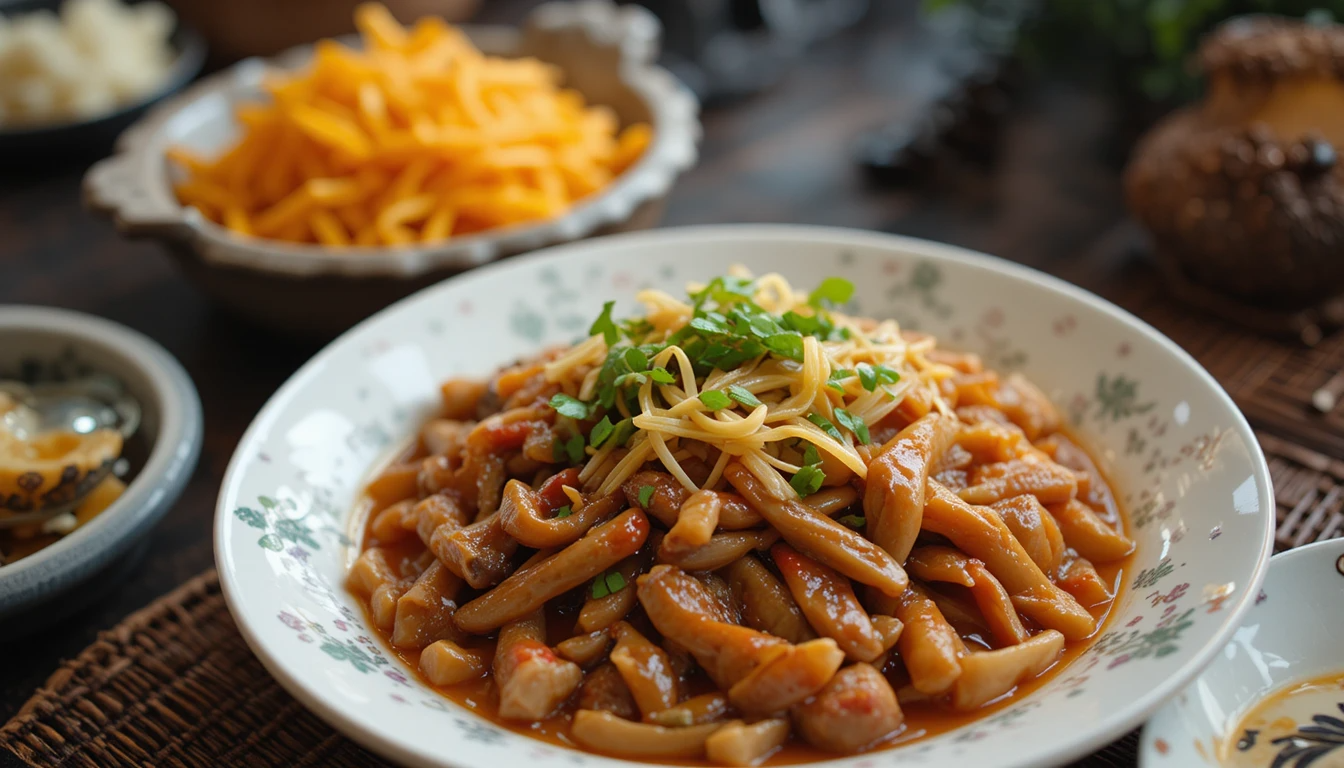
China is home to one of the world’s oldest and most diverse culinary traditions. This comprehensive China Food Guide explores the rich flavors, cooking techniques, ingredients, and cultural significance of Chinese cuisine. From spicy Sichuan dishes to delicate Cantonese dim sum, China’s food culture offers an incredible variety of tastes that attract millions of food lovers every year.
Whether you are planning a trip to China, exploring Chinese cuisine at home, or simply curious about authentic Chinese food, this China Food Guide provides valuable insights into the country’s culinary landscape. You’ll learn about regional specialties, traditional dining customs, popular street foods, and the must-try dishes that define Chinese gastronomy.
What Makes Chinese Cuisine Unique?
Chinese cuisine is known for its balance of flavors, textures, colors, and aromas. Unlike many cuisines that focus on a single dominant flavor, Chinese cooking emphasizes harmony between sweet, sour, salty, bitter, and umami tastes.
Several factors contribute to the uniqueness of Chinese food:
- Thousands of years of culinary history
- Diverse regional cooking styles
- Fresh seasonal ingredients
- Balanced nutrition principles
- Traditional cooking methods
- Strong cultural significance
Food in China is more than nourishment; it represents family, celebration, tradition, and social connection.
History of Chinese Cuisine
The history of Chinese food dates back over 5,000 years. Ancient Chinese civilizations developed farming techniques that cultivated rice, wheat, millet, and soybeans.
Throughout various dynasties, culinary practices evolved significantly:
Shang Dynasty
- Development of fermentation techniques
- Early use of grains and alcohol
Han Dynasty
- Expansion of trade routes
- Introduction of new spices and ingredients
Tang Dynasty
- Cultural exchange through the Silk Road
- Increased culinary diversity
Ming and Qing Dynasties
- Refinement of regional cuisines
- Growth of sophisticated banquet culture
Modern Chinese cuisine combines traditional recipes with contemporary innovations while preserving centuries-old cooking methods.
The Eight Major Culinary Traditions of China
A complete China Food Guide must include China’s Eight Great Cuisines.
Sichuan Cuisine
Sichuan cuisine is famous for its bold and spicy flavors.
Popular dishes include:
- Mapo Tofu
- Kung Pao Chicken
- Sichuan Hot Pot
- Dan Dan Noodles
Characteristics:
- Chili peppers
- Sichuan peppercorns
- Strong aromas
- Numbing-spicy sensation
Cantonese Cuisine
Originating from Guangdong Province, Cantonese cuisine is among the most internationally recognized Chinese food styles.
Popular dishes:
- Dim Sum
- Char Siu
- Roast Duck
- Steamed Fish
Characteristics:
- Fresh ingredients
- Light seasoning
- Natural flavors
- Delicate cooking techniques
Shandong Cuisine
Known for seafood and rich flavors.
Popular dishes:
- Sweet and Sour Carp
- Braised Sea Cucumber
- Seafood Soups
Characteristics:
- Fresh seafood
- Strong broths
- Expert knife skills
Jiangsu Cuisine
This cuisine emphasizes elegance and presentation.
Popular dishes:
- Lion’s Head Meatballs
- Yangzhou Fried Rice
- Braised Pork Belly
Characteristics:
- Mild flavors
- Refined appearance
- Soft textures
Zhejiang Cuisine
Known for freshness and subtle flavors.
Popular dishes:
- Dongpo Pork
- West Lake Fish
- Longjing Shrimp
Characteristics:
- Seasonal ingredients
- Fresh seafood
- Artistic presentation
Fujian Cuisine
Famous for soups and seafood dishes.
Popular dishes:
- Buddha Jumps Over the Wall
- Oyster Omelet
- Seafood Stews
Characteristics:
- Rich broths
- Delicate seasonings
- Coastal influences
Hunan Cuisine
Often confused with Sichuan cuisine but equally spicy.
Popular dishes:
- Chairman Mao’s Red Braised Pork
- Spicy Fish Head
- Stir-Fried Smoked Pork
Characteristics:
- Fresh chili peppers
- Strong flavors
- Smoky ingredients
Anhui Cuisine
Focused on mountain ingredients and wild herbs.
Popular dishes:
- Bamboo Shoot Dishes
- Stewed Turtle
- Mushroom Specialties
Characteristics:
- Rustic cooking
- Herbal ingredients
- Slow-cooked dishes
Essential Chinese Ingredients
Every China Food Guide should highlight the ingredients that define Chinese cooking.
Soy Sauce
Used for seasoning, marinating, and dipping.
Rice
A staple food in southern China.
Noodles
Widely consumed throughout northern China.
Tofu
A versatile soybean product rich in protein.
Ginger
Adds warmth and aroma.
Garlic
A fundamental flavoring ingredient.
Sesame Oil
Used to enhance flavor.
Chinese Vinegar
Provides acidity and depth.
Scallions
Commonly used in stir-fries and garnishes.
Chili Peppers
Essential in spicy regional cuisines.
Most Popular Chinese Dishes
Peking Duck
One of China’s most famous dishes.
Features:
- Crispy skin
- Tender meat
- Thin pancakes
- Sweet bean sauce
Dumplings (Jiaozi)
A beloved food across China.
Fillings include:
- Pork
- Beef
- Shrimp
- Vegetables
Hot Pot
A communal dining experience where diners cook ingredients in simmering broth.
Common ingredients:
- Thinly sliced meat
- Seafood
- Vegetables
- Tofu
Fried Rice
Simple yet flavorful.
Popular varieties:
- Yangzhou Fried Rice
- Seafood Fried Rice
- Chicken Fried Rice
Chow Mein
Stir-fried noodles with vegetables and protein.
Sweet and Sour Pork
Combines sweetness and tanginess in a balanced dish.
Chinese Street Food Guide
Street food is an important part of Chinese food culture.
Jianbing
A savory Chinese crepe filled with eggs, sauces, and crispy crackers.
Roujiamo
Often called the Chinese hamburger.
Tanghulu
Candied fruit skewers coated in hardened sugar.
Baozi
Steamed buns filled with meat or vegetables.
Chuan’r
Grilled skewered meat seasoned with spices.
Stinky Tofu
A fermented tofu dish known for its strong aroma.
Traditional Chinese Breakfast Foods
Chinese breakfasts vary by region.
Popular choices include:
Congee
Rice porridge served with side dishes.
Youtiao
Deep-fried dough sticks.
Soy Milk
A traditional breakfast beverage.
Baozi
Steamed stuffed buns.
Noodle Soups
Common in northern regions.
Regional Food Differences in China
Northern China
Main foods:
- Wheat-based products
- Dumplings
- Noodles
- Buns
Climate influences agricultural production, making wheat more common than rice.
Southern China
Main foods:
- Rice
- Seafood
- Fresh vegetables
The warmer climate supports rice cultivation.
Western China
Features:
- Lamb dishes
- Spices
- Islamic influences
Eastern China
Known for:
- Seafood
- Delicate flavors
- Fine dining traditions
Chinese Dining Etiquette
Understanding dining customs is essential in any China Food Guide.
Share Dishes
Meals are typically served family-style.
Use Chopsticks Properly
Avoid sticking chopsticks upright into rice bowls.
Respect Elders
Older family members are usually served first.
Tea Culture
Tea often accompanies meals.
Toasting
Common during celebrations and business dinners.
Chinese Tea and Food Culture
Tea is deeply connected to Chinese dining.
Popular varieties:
- Green Tea
- Oolong Tea
- Black Tea
- White Tea
- Pu-erh Tea
Benefits:
- Aids digestion
- Enhances meals
- Represents hospitality
Chinese Festival Foods
Chinese New Year
Traditional foods:
- Dumplings
- Fish
- Rice Cakes
These symbolize prosperity and good fortune.
Mid-Autumn Festival
Famous food:
- Mooncakes
Dragon Boat Festival
Traditional dish:
- Zongzi (sticky rice dumplings)
Healthy Aspects of Chinese Food
Many traditional Chinese dishes focus on balanced nutrition.
Benefits include:
- Abundant vegetables
- Lean proteins
- Fermented foods
- Balanced portions
- Variety of ingredients
Traditional Chinese medicine also influences food choices and meal preparation.
Vegetarian Food in China
China offers numerous vegetarian options.
Popular choices:
- Mapo Tofu (vegetarian versions)
- Stir-Fried Vegetables
- Mushroom Dishes
- Buddha’s Delight
- Vegetable Dumplings
Buddhist culinary traditions have contributed significantly to vegetarian cuisine.
Seafood in Chinese Cuisine
China’s coastal regions produce exceptional seafood dishes.
Popular seafood ingredients:
- Shrimp
- Crab
- Fish
- Squid
- Clams
Cooking methods include:
- Steaming
- Stir-frying
- Braising
- Deep-frying
Desserts and Sweets in China
Chinese desserts are generally less sweet than Western desserts.
Popular treats:
Mooncakes
Traditional festival pastries.
Tangyuan
Sweet rice balls.
Egg Tarts
Popular in Cantonese cuisine.
Sesame Balls
Crispy and sweet snacks.
Mango Pudding
A favorite modern dessert.
Food Safety Tips for Travelers
When exploring Chinese food:
- Choose busy restaurants
- Drink bottled water if necessary
- Eat freshly cooked food
- Observe cleanliness standards
- Be cautious with raw foods
These simple precautions can enhance your culinary experience.
Best Cities for Food Lovers in China
Beijing
Known for:
- Peking Duck
- Imperial Cuisine
Shanghai
Known for:
- Xiaolongbao
- Seafood dishes
Chengdu
Known for:
- Hot Pot
- Mapo Tofu
Guangzhou
Known for:
- Dim Sum
- Cantonese cuisine
Xi’an
Known for:
- Hand-pulled noodles
- Lamb specialties
Why Chinese Food Is Popular Worldwide
Chinese cuisine has achieved global popularity because of:
- Incredible variety
- Affordable ingredients
- Rich history
- Balanced flavors
- Adaptability
- Cultural significance
From fine dining restaurants to street food stalls, Chinese food appeals to people from all backgrounds.
Conclusion
This comprehensive China Food Guide demonstrates why Chinese cuisine is considered one of the world’s greatest culinary traditions. With thousands of years of history, diverse regional styles, unique ingredients, and unforgettable flavors, China offers an extraordinary food experience for every traveler and food enthusiast.
Whether you’re enjoying spicy Sichuan dishes, delicate Cantonese dim sum, flavorful northern dumplings, or traditional festival foods, exploring Chinese cuisine is a journey through culture, history, and taste. A well-planned culinary adventure across China reveals not only delicious meals but also the traditions and values that have shaped Chinese society for centuries.
FAQs
What is the most famous food in China?
Peking Duck, Dumplings, Hot Pot, and Dim Sum are among the most famous Chinese foods enjoyed both domestically and internationally.
Is Chinese food always spicy?
No. While Sichuan and Hunan cuisines are known for spicy dishes, Cantonese, Jiangsu, and Zhejiang cuisines typically feature mild and delicate flavors.
What should tourists try first in China?
First-time visitors should try Peking Duck, Dumplings, Hot Pot, Dim Sum, Xiaolongbao, and traditional Chinese noodles to experience a variety of regional flavors.
Meta Description
Discover the complete China Food Guide with traditional Chinese dishes, regional cuisines, street food, dining etiquette, popular ingredients, and travel food tips. Learn everything about China’s rich culinary heritage.
Japan Travel Guide: The Ultimate Complete Guide for First-Time Visitors
