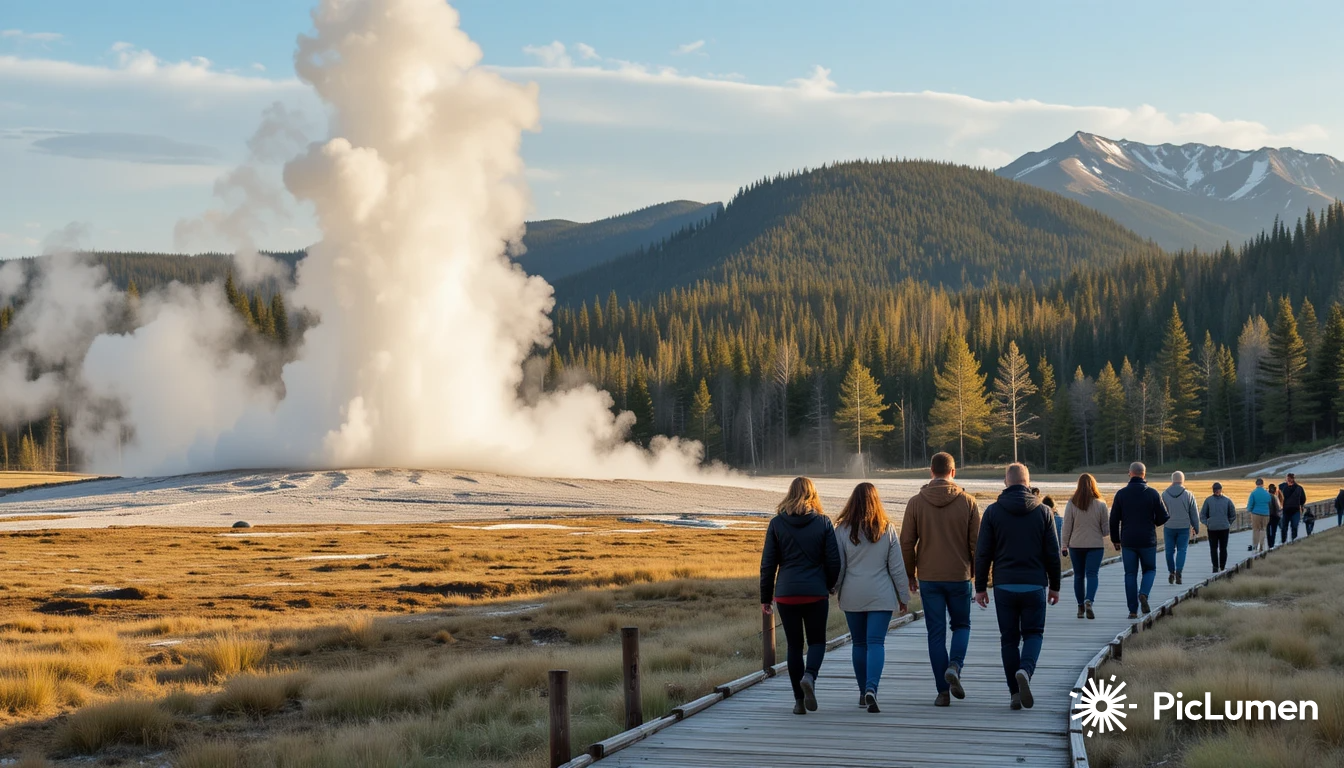
If you’re searching for the complete Yellowstone National Park Guide, you’ve come to the right place. Yellowstone is America’s first national park and one of the world’s greatest natural wonders. Covering more than 2.2 million acres across Wyoming, Montana, and Idaho, the park is famous for its spectacular geysers, colorful hot springs, dramatic waterfalls, abundant wildlife, and breathtaking mountain scenery.
Whether you’re planning your very first visit or returning for another unforgettable adventure, this Yellowstone National Park Guide will help you explore the park like an expert. From choosing the best entrance and finding the top attractions to spotting wildlife safely and planning the perfect itinerary, this comprehensive guide covers everything you need to know before visiting Yellowstone in 2026.
Table of Contents
- Why Visit Yellowstone National Park?
- Where Is Yellowstone National Park?
- History of Yellowstone
- Best Time to Visit Yellowstone
- Yellowstone Weather by Season
- How to Get There
- Yellowstone Entrance Fees
- Park Entrances
- Best Things to Do
- Must-See Attractions
- Best Hiking Trails
- Wildlife Watching
- Best Scenic Drives
- Camping
- Lodging
- Food and Dining
- Photography Tips
- Family Travel Tips
- Safety Guide
- Suggested Itinerary
- Travel Budget
- FAQs
- Conclusion
Why Visit Yellowstone National Park?
Yellowstone isn’t just another national park—it’s one of the most extraordinary destinations on Earth. It features the largest concentration of geothermal features in the world, including nearly half of the planet’s active geysers.
Visitors come to experience:
- Old Faithful eruptions
- Rainbow-colored hot springs
- Massive waterfalls
- Alpine lakes
- Snow-capped mountains
- Wild bison roaming freely
- Wolves in their natural habitat
- Grizzly and black bears
- Elk, moose, foxes, and bald eagles
Every visit offers something new, making Yellowstone a destination worth exploring again and again.
Where Is Yellowstone National Park?
Yellowstone National Park is located primarily in northwestern Wyoming, with smaller portions extending into Montana and Idaho.
Park Size
- Over 2.2 million acres
- More than 900 miles of hiking trails
- Hundreds of lakes
- Dozens of waterfalls
- Thousands of geothermal features
The park’s central location makes it easy to combine with nearby destinations such as Grand Teton National Park.
History of Yellowstone National Park
Yellowstone became the world’s first national park on March 1, 1872.
Before becoming a protected park, Native American tribes lived, hunted, and traveled through the Yellowstone region for thousands of years.
The area’s unique geothermal activity fascinated early explorers, but many people initially believed their stories were exaggerated because the landscape seemed almost unreal.
Today, Yellowstone is recognized as a UNESCO World Heritage Site and remains one of the most visited national parks in the United States.
Best Time to Visit Yellowstone
Choosing the right season depends on the type of experience you’re looking for.
Spring (April–May)
Spring is perfect for wildlife lovers.
Highlights include:
- Baby bison
- Elk calves
- Fewer crowds
- Snow-covered mountains
- Active waterfalls
Average temperatures:
30°F–60°F
Summer (June–August)
Summer is the busiest season.
Advantages:
- All roads open
- Warm weather
- Ranger programs
- Camping
- Boating
- Hiking
Disadvantages:
- Heavy traffic
- Crowded attractions
- Higher accommodation prices
Average temperatures:
70°F–85°F during the day
Fall (September–October)
Many experienced travelers consider fall the best season.
Benefits include:
- Colorful autumn landscapes
- Cooler temperatures
- Fewer visitors
- Excellent wildlife viewing
- Elk mating season
Winter (November–March)
Winter transforms Yellowstone into a snowy paradise.
Activities include:
- Snowcoach tours
- Cross-country skiing
- Snowshoeing
- Wildlife photography
- Winter camping
Temperatures often fall below freezing.
Yellowstone Weather
Weather changes rapidly.
Always carry:
- Waterproof jacket
- Warm layers
- Hat
- Gloves
- Hiking boots
- Sunscreen
Even during summer, mornings can be surprisingly cold.
How to Get to Yellowstone
The closest airports include:
- Jackson Hole Airport
- Bozeman Yellowstone International Airport
- Yellowstone Airport (West Yellowstone)
- Idaho Falls Regional Airport
Many visitors rent a car because public transportation inside the park is extremely limited.
Yellowstone National Park Entrances
Yellowstone has five entrances.
North Entrance
Open year-round.
Popular for:
- Mammoth Hot Springs
- Historic Roosevelt Arch
- Wildlife viewing
West Entrance
The busiest entrance.
Ideal for visitors staying in West Yellowstone.
Closest to:
- Old Faithful
- Grand Prismatic Spring
South Entrance
Perfect if you’re combining Yellowstone with Grand Teton National Park.
East Entrance
Offers one of America’s most scenic drives through mountain landscapes.
Northeast Entrance
Excellent for wildlife lovers visiting Lamar Valley.
Yellowstone Entrance Fees
Private Vehicle:
- Valid for 7 consecutive days
Motorcycle:
- Valid for 7 days
Walkers and Cyclists:
- Individual pass available
Annual Pass:
Recommended for visitors planning multiple national park trips.
America the Beautiful Pass provides access to over 2,000 federal recreation sites.
Top Things to Do in Yellowstone National Park
Watch Old Faithful Erupt
Old Faithful is the world’s most famous geyser.
It erupts approximately every 90 minutes and can shoot water over 180 feet into the air.
Visitors can sit around the viewing area and watch one of nature’s greatest spectacles.
Visit Grand Prismatic Spring
Grand Prismatic Spring is Yellowstone’s most photographed attraction.
Its vivid colors come from heat-loving microorganisms living in the mineral-rich water.
The overlook trail provides the best panoramic views.
Explore Yellowstone Lake
North America’s largest high-elevation lake offers:
- Kayaking
- Fishing
- Boat tours
- Wildlife viewing
- Scenic picnic areas
The peaceful shoreline makes it an excellent escape from busier attractions.
See the Grand Canyon of the Yellowstone
This dramatic canyon stretches approximately 20 miles.
Its colorful rock walls were shaped by volcanic activity and erosion over thousands of years.
The canyon features two magnificent waterfalls:
- Upper Falls
- Lower Falls
Artist Point offers one of the park’s most iconic viewpoints.
Visit Mammoth Hot Springs
Unlike Yellowstone’s colorful pools, Mammoth Hot Springs consists of stunning white limestone terraces formed by mineral-rich hot water.
Boardwalks allow visitors to safely explore this fascinating geothermal area.
Best Hiking Trails in Yellowstone National Park
One of the highlights of any Yellowstone National Park Guide is exploring the park’s incredible hiking trails. With more than 900 miles of trails, Yellowstone offers hikes for every skill level, from short boardwalk walks to challenging backcountry adventures.
Fairy Falls Trail
Distance: 5.4 miles (round trip)
Difficulty: Easy to Moderate
This trail leads to the stunning Fairy Falls, one of Yellowstone’s tallest waterfalls at approximately 200 feet. Along the way, visitors can also access the Grand Prismatic Spring Overlook, offering one of the park’s most famous panoramic views.
Highlights
- Grand Prismatic Overlook
- Fairy Falls
- Peaceful forest scenery
- Excellent photography opportunities
Mount Washburn Trail
Distance: 6.8 miles (round trip)
Difficulty: Moderate
Mount Washburn is one of Yellowstone’s most rewarding day hikes. From the summit, hikers enjoy breathtaking 360-degree views of the park.
On clear days, visitors can see:
- Yellowstone Lake
- Grand Teton Mountains
- Hayden Valley
- Surrounding volcanic landscapes
Wildlife sightings often include:
- Bighorn sheep
- Marmots
- Wildflowers during summer
Uncle Tom’s Trail
Although short, this trail includes hundreds of stairs leading close to the spectacular Lower Falls of the Grand Canyon of the Yellowstone.
The dramatic views make the climb worthwhile.
Storm Point Trail
Distance: 2.5 miles
Difficulty: Easy
Perfect for families, this scenic hike follows Yellowstone Lake before reaching a rocky shoreline.
Wildlife commonly seen includes:
- Bison
- Birds
- Mule deer
Lone Star Geyser Trail
Distance: 5 miles round trip
This relatively flat trail leads to Lone Star Geyser, which erupts approximately every three hours.
Unlike Old Faithful, this area is usually much quieter, providing a peaceful experience.
Wildlife Watching Guide
Yellowstone is often called America’s greatest wildlife destination.
The park is home to:
- American Bison
- Elk
- Moose
- Wolves
- Coyotes
- Black Bears
- Grizzly Bears
- Pronghorn Antelope
- Bighorn Sheep
- Bald Eagles
- River Otters
Always maintain a safe distance from wildlife.
Best Places to See Wildlife
Lamar Valley
Known as America’s Serengeti, Lamar Valley is the best location for spotting wolves, bears, bison, and pronghorn.
The best times to visit are:
- Sunrise
- Sunset
Hayden Valley
Hayden Valley offers excellent opportunities to see:
- Large bison herds
- Elk
- Coyotes
- Trumpeter swans
- Grizzly bears
Early morning provides the highest chance of wildlife activity.
Mammoth Hot Springs Area
Visitors often encounter:
- Elk
- Mule deer
- Coyotes
- Black bears
The nearby grasslands attract many grazing animals.
Wildlife Safety Tips
Yellowstone’s animals are wild and unpredictable.
Follow these safety guidelines:
- Stay at least 25 yards away from bison, elk, and deer.
- Stay at least 100 yards away from bears and wolves.
- Never feed wildlife.
- Carry bear spray when hiking.
- Make noise while walking on trails.
- Never approach baby animals.
Respecting wildlife helps keep both visitors and animals safe.
Best Scenic Drives
Driving through Yellowstone is an unforgettable experience. The park’s scenic roads pass geysers, forests, rivers, waterfalls, and wildlife habitats.
Grand Loop Road
Length: Approximately 142 miles
This figure-eight-shaped road connects most of Yellowstone’s major attractions.
Highlights include:
- Old Faithful
- Grand Prismatic Spring
- Yellowstone Lake
- Mammoth Hot Springs
- Grand Canyon of the Yellowstone
- Hayden Valley
- Norris Geyser Basin
Many visitors spend two or three days exploring the entire loop.
Beartooth Highway
Often called one of America’s most scenic roads, Beartooth Highway begins near Yellowstone’s Northeast Entrance.
Expect:
- Alpine lakes
- Snow-covered peaks
- Mountain passes
- Scenic overlooks
- Wildlife
The highway is usually open from late spring through early fall.
Chief Joseph Scenic Byway
This beautiful drive connects Cody, Wyoming, with the Beartooth Highway.
Visitors enjoy:
- Historic landscapes
- Mountain views
- Forests
- Scenic pullouts
Best Geothermal Areas
Yellowstone sits above a massive volcanic hotspot, creating thousands of geothermal features.
Old Faithful Geyser
The park’s most famous attraction.
Why visit?
- Predictable eruptions
- Visitor center
- Historic Old Faithful Inn
- Numerous nearby geysers
Allow at least two to three hours for this area.
Grand Prismatic Spring
The largest hot spring in the United States.
Its vibrant blue, green, orange, and yellow colors create one of Yellowstone’s most iconic images.
Best viewing locations:
- Boardwalk
- Grand Prismatic Overlook Trail
Morning visits often provide clearer views with less steam.
Norris Geyser Basin
Yellowstone’s hottest geothermal area.
Features include:
- Steamboat Geyser (the world’s tallest active geyser)
- Bubbling mud pots
- Steam vents
- Colorful pools
The landscape feels almost otherworldly.
Mammoth Hot Springs
Unlike the colorful pools found elsewhere, Mammoth features beautiful limestone terraces created by mineral deposits.
Boardwalks allow visitors to safely explore the area.
West Thumb Geyser Basin
Located beside Yellowstone Lake, this geothermal area combines colorful springs with beautiful lakeside scenery.
It’s an excellent stop for photographers.
Best Waterfalls in Yellowstone
Yellowstone contains hundreds of waterfalls.
Here are the most spectacular.
Lower Falls
Height: Approximately 308 feet
Lower Falls is nearly twice as tall as Niagara Falls and is one of the park’s most photographed landmarks.
Best viewpoints:
- Artist Point
- Lookout Point
- Red Rock Point
Upper Falls
Located just upstream from Lower Falls.
Although smaller, the Upper Falls are equally impressive.
Viewing platforms provide excellent perspectives.
Tower Fall
Height: Approximately 132 feet
Surrounded by striking volcanic rock formations, Tower Fall is easily accessible and makes a worthwhile stop.
Fairy Falls
One of Yellowstone’s tallest waterfalls.
The peaceful forest hike makes this waterfall a favorite among nature lovers.
Yellowstone Lake Activities
Yellowstone Lake covers approximately 136 square miles and is one of North America’s largest high-elevation lakes.
Popular activities include:
- Boating
- Fishing
- Kayaking
- Canoeing
- Wildlife photography
- Lakeside picnics
The surrounding scenery is especially beautiful at sunrise and sunset.
Fishing in Yellowstone
Fishing enthusiasts can enjoy:
- Cutthroat trout
- Lake trout
- Rainbow trout
- Brown trout
Fishing regulations help protect native fish populations, so be sure to obtain the required permits and follow park rules.
Photography Tips
Yellowstone offers endless opportunities for stunning photographs.
Best Time for Photography
- Sunrise
- Golden hour before sunset
- Early morning for wildlife
- Clear evenings for landscapes
Must-Photograph Locations
- Old Faithful
- Grand Prismatic Spring
- Artist Point
- Mammoth Hot Springs
- Lamar Valley
- Yellowstone Lake
- Hayden Valley
- Beartooth Highway
Recommended Equipment
- Wide-angle lens
- Telephoto lens for wildlife
- Tripod
- Polarizing filter
- Extra batteries
- Lens cleaning cloth
Photographers should always stay on designated trails and boardwalks to protect both themselves and Yellowstone’s fragile geothermal features.
Camping in Yellowstone National Park
Camping is one of the best ways to experience Yellowstone’s incredible natural beauty. The park has several campgrounds ranging from developed sites with amenities to more rustic locations.
Best Campgrounds
Madison Campground
Located near Old Faithful and the Lower Geyser Basin, Madison Campground is an excellent base for exploring Yellowstone’s famous geothermal attractions.
Canyon Campground
This campground is close to the Grand Canyon of the Yellowstone, making it ideal for hikers and photographers.
Bridge Bay Campground
Situated near Yellowstone Lake, Bridge Bay offers scenic views and easy access to boating and fishing.
Mammoth Campground
Open year-round, Mammoth Campground is a great choice for winter visitors and wildlife enthusiasts.
Camping Tips
- Reserve campsites several months in advance during peak season.
- Store all food in bear-proof lockers.
- Never leave food unattended.
- Keep your campsite clean.
- Follow fire safety regulations.
- Respect quiet hours.
Best Places to Stay
Yellowstone offers a variety of lodging options, from historic inns inside the park to comfortable hotels in nearby gateway towns.
Old Faithful Inn
One of the most iconic lodges in the United States, this historic hotel features stunning log architecture and is just steps away from Old Faithful Geyser.
Lake Yellowstone Hotel
Overlooking Yellowstone Lake, this elegant hotel provides breathtaking views and a peaceful atmosphere.
Canyon Lodge
A modern accommodation option conveniently located near the Grand Canyon of the Yellowstone.
Mammoth Hot Springs Hotel
Perfect for visitors exploring the northern section of the park.
West Yellowstone Hotels
The nearby town of West Yellowstone offers numerous hotels, restaurants, and shops for travelers seeking additional amenities.
Where to Eat
Visitors will find restaurants, cafeterias, and general stores throughout Yellowstone.
Popular dining locations include:
- Old Faithful Lodge Dining Room
- Canyon Eatery
- Lake Hotel Dining Room
- Grant Village Restaurant
- Mammoth Terrace Grill
Packing snacks and plenty of water is recommended, especially for long drives and hikes.
Yellowstone Travel Budget
Your total travel cost depends on the season, accommodation, and travel style.
Budget Travelers
- Camping
- Self-cooked meals
- Free ranger programs
- Short hikes
Mid-Range Travelers
- Park lodges
- Guided tours
- Restaurant meals
- Wildlife excursions
Luxury Travelers
- Historic hotels
- Private guided tours
- Photography workshops
- Premium dining experiences
Planning and booking early can help reduce overall costs.
Suggested 3-Day Yellowstone Itinerary
Day 1
- Enter through the West Entrance
- Visit Old Faithful
- Explore Upper Geyser Basin
- Walk to Grand Prismatic Spring
- Sunset at Fountain Paint Pot
Day 2
- Grand Canyon of the Yellowstone
- Artist Point
- Hayden Valley wildlife viewing
- Yellowstone Lake
- West Thumb Geyser Basin
Day 3
- Mammoth Hot Springs
- Norris Geyser Basin
- Lamar Valley
- Wildlife photography at sunset
Suggested 5-Day Yellowstone Itinerary
Day 1
Old Faithful and Upper Geyser Basin
Day 2
Grand Prismatic Spring and Fairy Falls
Day 3
Grand Canyon of the Yellowstone and Hayden Valley
Day 4
Lamar Valley and Mammoth Hot Springs
Day 5
Yellowstone Lake, Mount Washburn, and scenic drives before departure
Family Travel Tips
Yellowstone is an excellent destination for families.
Activities Kids Enjoy
- Junior Ranger Program
- Wildlife watching
- Boardwalks around geysers
- Easy hiking trails
- Ranger-led talks
- Picnics by Yellowstone Lake
Parents should always supervise children near geothermal areas, as the ground can be unstable and dangerous.
Essential Packing List
Bring the following items to ensure a safe and comfortable trip:
- Hiking boots
- Waterproof jacket
- Warm clothing
- Sunscreen
- Hat
- Sunglasses
- Backpack
- Reusable water bottle
- Binoculars
- Camera
- Power bank
- First-aid kit
- Insect repellent
- Bear spray (for hiking)
- Snacks
- Offline maps
Safety Tips
Safety is essential when visiting Yellowstone.
Around Wildlife
- Stay at least 25 yards away from bison, elk, and deer.
- Stay at least 100 yards away from bears and wolves.
- Never feed wild animals.
- Carry bear spray while hiking.
Around Hot Springs
- Stay on boardwalks.
- Never touch geothermal water.
- Keep children close.
- Do not throw objects into geysers or springs.
Hiking Safety
- Tell someone your hiking plans.
- Carry sufficient water.
- Check weather forecasts.
- Bring navigation tools.
- Start hikes early in the day.
Responsible Tourism
Help protect Yellowstone for future generations by following Leave No Trace principles:
- Pack out all trash.
- Stay on designated trails.
- Respect wildlife.
- Avoid picking plants or flowers.
- Follow park regulations.
- Support conservation efforts by respecting park resources.
Why Yellowstone Should Be on Your Bucket List
Yellowstone offers an unforgettable combination of geothermal wonders, abundant wildlife, scenic drives, waterfalls, forests, lakes, and mountain landscapes. Whether you’re watching Old Faithful erupt, photographing the colorful Grand Prismatic Spring, hiking through alpine meadows, or spotting wolves in Lamar Valley, every moment in Yellowstone feels extraordinary.
With careful planning and the information in this Yellowstone National Park Guide, you’ll be well prepared to enjoy one of the world’s most remarkable national parks.
Conclusion
This comprehensive Yellowstone National Park Guide provides everything you need to plan an unforgettable adventure. From choosing the best time to visit and exploring famous geysers to hiking scenic trails and safely observing wildlife, Yellowstone offers experiences unlike anywhere else on Earth.
Whether you’re traveling with family, friends, or on a solo adventure, Yellowstone rewards visitors with breathtaking landscapes, incredible biodiversity, and unforgettable memories. Plan ahead, respect nature, and take the time to explore beyond the most famous attractions. With proper preparation, your trip to Yellowstone National Park will be an experience you’ll cherish for a lifetime.
Frequently Asked Questions
What is the best month to visit Yellowstone National Park?
September is one of the best months to visit because the weather is pleasant, wildlife is active, and crowds are smaller than during peak summer.
How many days do you need in Yellowstone?
A minimum of three days is recommended, but five to seven days allows you to explore Yellowstone’s major attractions, hiking trails, and wildlife areas at a relaxed pace.
Is Yellowstone worth visiting for first-time travelers?
Absolutely. Yellowstone is one of the world’s most unique national parks, offering geysers, hot springs, waterfalls, mountains, lakes, and abundant wildlife in a single destination. It is an excellent choice for first-time visitors to the United States.
US Holiday Calendar 2027: Complete Guide to Federal and Public Holidays
