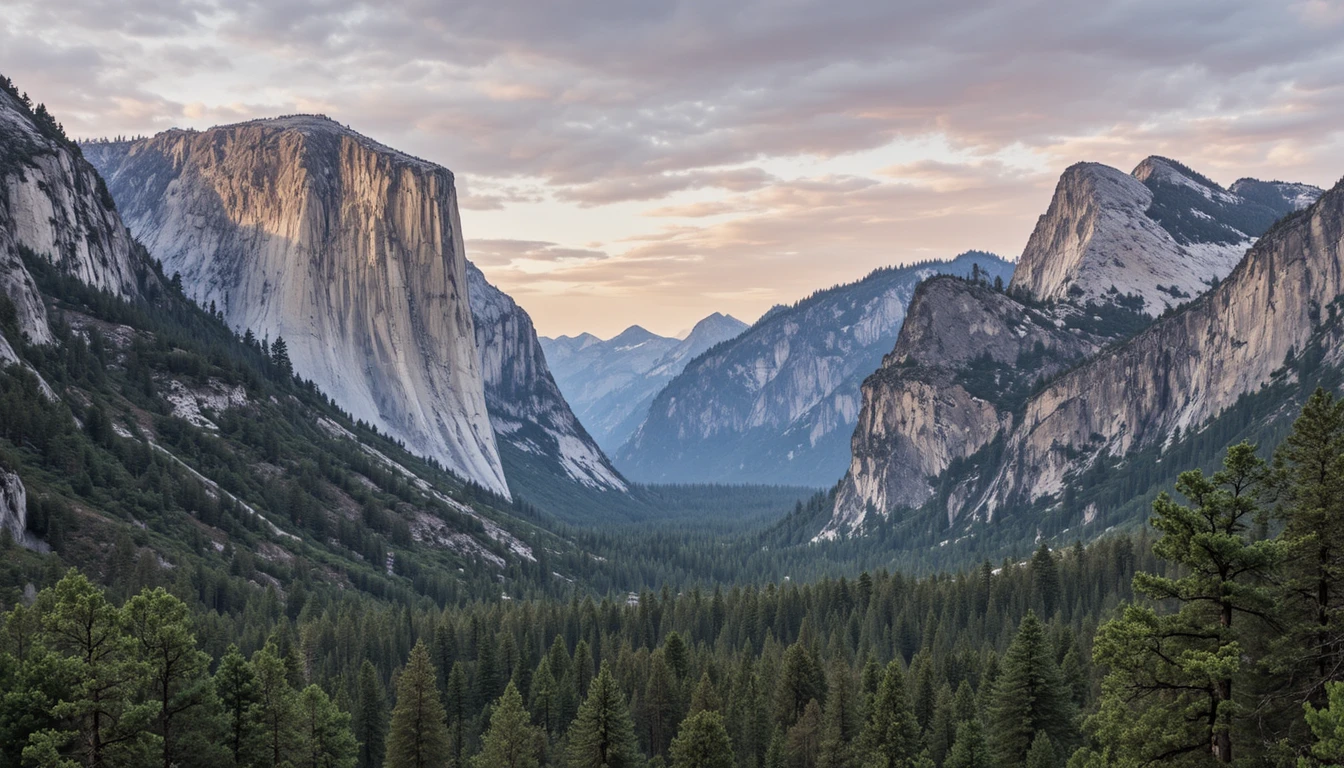
Planning a trip to one of America’s most breathtaking natural destinations? This comprehensive Yosemite National Park Guide will help you discover everything you need to know before visiting. From towering granite cliffs and magnificent waterfalls to ancient giant sequoias and unforgettable hiking trails, Yosemite National Park offers an adventure unlike anywhere else in the United States.
Whether you’re visiting for the first time or returning for another unforgettable experience, this professional guide covers the best attractions, scenic drives, hiking trails, camping options, travel tips, photography spots, wildlife safety, and seasonal recommendations. By the end of this guide, you’ll be fully prepared to explore one of America’s greatest national treasures.
Table of Contents
- What is Yosemite National Park?
- History of Yosemite National Park
- Why Visit Yosemite National Park?
- Best Time to Visit Yosemite
- How to Get There
- Entrance Fees
- Best Things to Do
- Famous Waterfalls
- Best Hiking Trails
- Yosemite Valley Guide
- Glacier Point
- Half Dome
- El Capitan
- Giant Sequoias
- Wildlife
- Camping Guide
- Hotels & Lodging
- Scenic Drives
- Photography Tips
- Travel Budget
- Safety Tips
- Sample Itinerary
- Conclusion
- FAQs
What is Yosemite National Park Guide?
A Yosemite National Park Guide is a complete travel resource designed to help visitors plan an unforgettable trip to Yosemite National Park in California. It provides detailed information about the park’s famous attractions, hiking trails, waterfalls, wildlife, lodging, transportation, camping, weather, and visitor tips.
Yosemite National Park covers nearly 760,000 acres of protected wilderness in California’s Sierra Nevada Mountains. Every year, millions of travelers visit this incredible destination to experience breathtaking landscapes, outdoor adventures, and some of the world’s most iconic natural landmarks.
The park is famous for:
- Massive granite cliffs
- Ancient giant sequoia trees
- Crystal-clear rivers
- Spectacular waterfalls
- Scenic valleys
- Wildlife viewing
- Rock climbing
- Photography
- Stargazing
- Outdoor recreation
Because of its extraordinary beauty, Yosemite has become one of the most visited national parks in the United States.
History of Yosemite National Park
The history of Yosemite dates back thousands of years. Native American communities, particularly the Ahwahneechee people, lived in the Yosemite Valley long before European explorers arrived.
During the mid-1800s, explorers, artists, and photographers introduced Yosemite’s beauty to the rest of America. Their work inspired public support for protecting the area from commercial development.
In 1864, President Abraham Lincoln signed the Yosemite Grant, one of the first government efforts in the world to preserve natural landscapes for public enjoyment.
Later, in 1890, Yosemite officially became a national park.
Naturalist John Muir played a crucial role in advocating for Yosemite’s protection. His writings inspired conservation efforts across the country and helped shape America’s national park system.
Today, Yosemite is recognized as a UNESCO World Heritage Site because of its exceptional geological features, biodiversity, and environmental importance.
Why Visit Yosemite National Park?
There are countless reasons why travelers from around the world choose Yosemite every year.
Spectacular Granite Cliffs
Yosemite is home to world-famous granite formations like Half Dome and El Capitan. These towering cliffs attract photographers, hikers, and rock climbers from every continent.
Incredible Waterfalls
Few places on Earth offer waterfalls as impressive as Yosemite.
Popular waterfalls include:
- Yosemite Falls
- Bridalveil Fall
- Vernal Fall
- Nevada Fall
- Ribbon Fall
- Sentinel Fall
Spring is the best season to witness these waterfalls at their most powerful.
Amazing Hiking Opportunities
The park offers hundreds of miles of hiking trails suitable for beginners, families, and experienced adventurers.
Visitors can enjoy:
- Easy valley walks
- Scenic nature trails
- Moderate mountain hikes
- Challenging summit climbs
- Multi-day backpacking trips
Every trail rewards hikers with unforgettable scenery.
Giant Sequoia Trees
One of Yosemite’s greatest attractions is its ancient giant sequoias.
Some of these trees are over 2,000 years old, making them among the oldest living organisms on Earth.
The most popular sequoia grove is the Mariposa Grove, where visitors can walk among hundreds of massive trees.
Wildlife Viewing
Nature lovers will enjoy spotting Yosemite’s diverse wildlife.
Animals commonly seen include:
- Black bears
- Mule deer
- Coyotes
- Bobcats
- Gray foxes
- Golden eagles
- Owls
- Hawks
- Marmots
- Squirrels
Visitors should always maintain a safe distance and never feed wildlife.
Perfect for Photography
Yosemite is considered one of the world’s best landscape photography destinations.
Photographers visit year-round to capture:
- Sunrise over Half Dome
- Sunset at Glacier Point
- Waterfalls in spring
- Autumn colors
- Snow-covered peaks
- Milky Way photography
- Reflections in the Merced River
Even amateur photographers can capture magazine-quality images throughout the park.
Outdoor Adventure
Adventure seekers can enjoy:
- Rock climbing
- Backpacking
- Camping
- Horseback riding
- Fishing
- Cycling
- River rafting (seasonal)
- Snowshoeing
- Cross-country skiing
- Bird watching
No matter your experience level, Yosemite offers activities for everyone.
Peaceful Natural Escape
Unlike crowded cities, Yosemite offers visitors a chance to disconnect from everyday stress and reconnect with nature.
Fresh mountain air, quiet forests, flowing rivers, and breathtaking scenery create an unforgettable atmosphere that inspires relaxation and adventure alike.
Best Time to Visit Yosemite National Park
One of the most common questions travelers ask is, “When is the best time to visit Yosemite?” The answer depends on your travel goals, favorite outdoor activities, and the type of scenery you want to experience. Every season offers something unique, making Yosemite a year-round destination.
Spring (March to May)
Spring is widely considered the best time to visit Yosemite National Park. Melting snow from the Sierra Nevada Mountains fills the waterfalls, creating spectacular views throughout the park.
Why visit in spring?
- Waterfalls are at their peak flow.
- Pleasant temperatures for hiking.
- Lush green meadows and blooming wildflowers.
- Excellent opportunities for landscape photography.
- Wildlife becomes more active.
Average Temperature:
- Day: 50°F–70°F (10°C–21°C)
- Night: 30°F–45°F (−1°C–7°C)
Spring is ideal for visitors who want to experience Yosemite’s famous waterfalls at their most powerful.
Summer (June to August)
Summer is the busiest season in Yosemite National Park. Families, international travelers, and outdoor enthusiasts visit during school vacations, making this the park’s peak tourist season.
Pros
- All major roads are open.
- Hiking trails are fully accessible.
- Ranger-led programs are available.
- Perfect weather for camping.
- Long daylight hours.
Cons
- Heavy traffic.
- Crowded attractions.
- Limited parking.
- Hotels sell out months in advance.
- Higher accommodation prices.
If you’re visiting in summer, start your day early to avoid crowds and secure parking.
Fall (September to November)
Autumn offers cooler temperatures and fewer visitors. While waterfalls become smaller, the peaceful atmosphere makes this season ideal for photography and hiking.
Highlights
- Colorful fall foliage.
- Comfortable hiking weather.
- Less crowded trails.
- Better hotel availability.
- Beautiful golden sunsets.
Many experienced travelers consider fall the perfect balance between good weather and manageable crowds.
Winter (December to February)
Winter transforms Yosemite into a snowy wonderland. Snow-covered cliffs, frozen meadows, and peaceful landscapes create an entirely different experience.
Winter Activities
- Snowshoeing
- Cross-country skiing
- Ice skating
- Winter photography
- Scenic drives (weather permitting)
Some roads, including Glacier Point Road and Tioga Road, may close due to snowfall.
How to Get to Yosemite National Park
Yosemite National Park is located in California’s Sierra Nevada Mountains and can be reached by car, bus, or nearby airports.
By Car
Driving is the most convenient way to explore Yosemite.
Approximate driving times:
- San Francisco: 4 hours
- Sacramento: 3.5 hours
- Los Angeles: 6–7 hours
- Fresno: 2 hours
- San Jose: 4 hours
Private vehicles provide flexibility for exploring different areas of the park.
By Air
Several airports serve Yosemite visitors.
Nearest airports include:
- Fresno Yosemite International Airport
- San Francisco International Airport
- Oakland International Airport
- Sacramento International Airport
- San Jose International Airport
Rental cars are recommended after arriving by air.
Public Transportation
Visitors can also use buses and regional transportation services to reach Yosemite.
Benefits include:
- Reduced traffic
- Lower parking stress
- Eco-friendly travel
- Convenient connections from nearby cities
Yosemite National Park Entrance Fees
Entrance fees help maintain park facilities and conservation efforts.
Typical entrance options include:
| Pass Type | Validity |
| Private Vehicle | 7 Days |
| Motorcycle | 7 Days |
| Individual (Walking/Bicycle) | 7 Days |
| Annual Yosemite Pass | 1 Year |
| America the Beautiful Pass | Access to many U.S. national parks |
Visitors should check the latest fees before traveling, as prices may change.
Best Things to Do in Yosemite National Park
A complete Yosemite National Park Guide wouldn’t be complete without highlighting the park’s must-see experiences.
Explore Yosemite Valley
Yosemite Valley is the heart of the park and home to many of its most famous landmarks.
Here you’ll find:
- Yosemite Falls
- El Capitan
- Half Dome
- Bridalveil Fall
- Merced River
- Scenic picnic areas
- Visitor Center
- Museums
- Restaurants
- Gift shops
The valley is accessible year-round and serves as the starting point for many adventures.
Visit Glacier Point
Glacier Point offers one of the most breathtaking panoramic views in the United States.
From this viewpoint, visitors can see:
- Half Dome
- Yosemite Valley
- Vernal Fall
- Nevada Fall
- High Sierra Mountains
Sunrise and sunset provide incredible lighting for photographers.
Admire El Capitan
El Capitan is one of the world’s most famous granite cliffs.
Standing approximately 3,000 feet (914 meters) above Yosemite Valley, it attracts elite rock climbers from around the globe.
Even if you don’t climb, watching climbers ascend the massive rock face is fascinating.
Popular viewing areas include:
- El Capitan Meadow
- Valley View
- Tunnel View
Experience Half Dome
Half Dome is Yosemite’s most recognizable landmark.
Its unique shape has become an icon of America’s national parks.
The challenging hike to Half Dome is considered one of the best day hikes in the world.
Half Dome Hike Highlights
- Distance: Approximately 14–16 miles round trip
- Duration: 10–14 hours
- Difficulty: Very strenuous
- Famous cable section near the summit
- Incredible panoramic views
A hiking permit is required for the cable section during the main season.
Walk Through Tunnel View
Tunnel View is one of Yosemite’s most photographed viewpoints.
From here you’ll enjoy a spectacular panorama featuring:
- El Capitan
- Bridalveil Fall
- Half Dome
- Yosemite Valley
Many visitors stop here immediately after entering the park because the view is unforgettable.
Visit Bridalveil Fall
Bridalveil Fall is one of the first waterfalls visitors see upon entering Yosemite Valley.
Highlights include:
- Easy walking trail
- Family-friendly
- Beautiful mist during spring
- Great photography location
- Accessible for most visitors
The waterfall flows year-round, although water volume varies by season.
Relax Along the Merced River
The Merced River adds beauty and tranquility to Yosemite Valley.
Popular activities include:
- Picnicking
- Photography
- Walking
- Bird watching
- Swimming (seasonal)
- River rafting (when conditions allow)
The river reflects Yosemite’s granite cliffs, creating stunning photo opportunities.
Visit the Yosemite Museum
Visitors interested in history and culture should explore the Yosemite Museum.
Here you can learn about:
- Native American heritage
- Traditional crafts
- Historical exhibits
- Park conservation
- Early explorers
The museum provides valuable insight into Yosemite’s rich cultural history.
Photography Tips for Yosemite National Park
Yosemite National Park is a dream destination for photographers because every corner offers breathtaking landscapes. Whether you use a professional camera or a smartphone, the park provides endless opportunities to capture unforgettable moments.
Best Photography Locations in Yosemite
Tunnel View
Tunnel View is one of the most iconic viewpoints in Yosemite. The combination of El Capitan, Half Dome, and Bridalveil Fall creates a perfect panoramic scene.
Best time for photography:
- Sunrise
- Early morning
- Sunset
Glacier Point
Glacier Point provides one of the best aerial views of Yosemite Valley. Photographers can capture the dramatic contrast between granite cliffs, forests, and mountain peaks.
Recommended shots:
- Sunset over Half Dome
- Valley views
- Star photography
- Winter landscapes
Yosemite Falls
Yosemite Falls is especially impressive during spring when snowmelt increases water flow.
Photography tips:
- Use a tripod for smooth waterfall effects.
- Visit early morning for fewer crowds.
- Capture rainbow effects in the mist.
Mirror Lake
Mirror Lake is famous for reflections of surrounding cliffs.
The best conditions are:
- Calm mornings
- Clear weather
- Spring and early summer
It is a perfect location for peaceful nature photography.
Valley View
Valley View offers a beautiful perspective of the Merced River with Yosemite’s famous cliffs in the background.
Many professional photographers visit this location for sunset photography.
Yosemite National Park Travel Budget Guide
Planning your budget before visiting Yosemite can make your trip easier and more enjoyable.
Entrance Costs
Visitors should prepare for:
- Park entrance fees
- Transportation expenses
- Accommodation costs
- Food expenses
- Activity fees
Accommodation Budget
Budget Travelers
Options include:
- Campgrounds
- Hostels
- Budget hotels outside the park
Estimated cost:
$30–$150 per night
Mid-Range Travelers
Options:
- Comfortable hotels
- Lodges
- Vacation rentals
Estimated cost:
$150–$350 per night
Luxury Travelers
Options:
- Historic lodges
- Premium accommodations
- Private cabins
Estimated cost:
$350+ per night
Food Expenses
Food costs depend on your travel style.
Budget:
- Grocery shopping
- Packed lunches
- Camping meals
Moderate:
- Restaurants near Yosemite
- Cafes
- Visitor center dining
Luxury:
- Fine dining experiences
- Premium restaurants
Bringing your own food can significantly reduce travel costs.
Yosemite National Park Safety Tips
Although Yosemite is a safe destination, visitors should respect nature and prepare properly.
Stay on Marked Trails
Always follow designated paths.
Leaving trails can lead to:
- Injuries
- Getting lost
- Damage to sensitive ecosystems
Be Careful Around Water
Yosemite’s rivers and waterfalls are beautiful but can be dangerous.
Safety tips:
- Avoid slippery rocks.
- Do not swim near strong currents.
- Follow warning signs.
- Watch children carefully.
Wildlife Safety
Yosemite is home to wild animals.
Important rules:
- Never feed animals.
- Keep food properly stored.
- Maintain distance from wildlife.
- Do not approach bears.
Prepare for Weather Changes
Mountain weather can change quickly.
Carry:
- Extra layers
- Rain protection
- Water
- Snacks
- First-aid supplies
Stay Hydrated
Many hiking trails are physically demanding.
Always carry enough water, especially during summer.
Sample Yosemite National Park Itinerary
One-Day Yosemite Itinerary
If you only have one day, focus on the major highlights.
Morning
- Enter Yosemite Valley early
- Visit Tunnel View
- Explore Bridalveil Fall
- Photograph El Capitan
Afternoon
- Visit Yosemite Falls
- Walk around Yosemite Valley
- Enjoy lunch near the river
Evening
- Watch sunset at Valley View or Glacier Point
Three-Day Yosemite Itinerary
Yosemite Valley
Explore:
- Tunnel View
- Bridalveil Fall
- Yosemite Falls
- El Capitan
- Merced River
Scenic Views and Hiking
Visit:
- Glacier Point
- Sentinel Dome
- Taft Point
- Mirror Lake
Giant Trees and Nature
Explore:
- Mariposa Grove
- Tuolumne Meadows
- Wildlife viewing areas
Eco-Friendly Travel Tips for Yosemite
Protecting Yosemite’s natural beauty is everyone’s responsibility.
Visitors can help by:
- Using reusable water bottles
- Avoiding plastic waste
- Staying on trails
- Respecting wildlife
- Using public transportation when possible
- Following Leave No Trace principles
Small actions help preserve Yosemite for future generations.
Why Yosemite National Park Should Be on Your Travel List
Yosemite is more than just a national park; it is a place where nature displays its greatest achievements. From enormous granite cliffs and powerful waterfalls to ancient forests and peaceful valleys, Yosemite creates memories that last a lifetime.
A well-planned Yosemite National Park Guide helps travelers experience the park safely, efficiently, and responsibly. Whether you are an adventure seeker, photographer, family traveler, or nature lover, Yosemite offers something extraordinary.
The combination of breathtaking landscapes, outdoor activities, rich history, and peaceful wilderness makes Yosemite one of the most remarkable destinations in the world.
Conclusion
Yosemite National Park is a true masterpiece of nature and one of America’s most treasured destinations. Its towering cliffs, magnificent waterfalls, ancient sequoias, and incredible hiking trails attract millions of visitors every year.
This complete Yosemite National Park Guide provides everything needed to plan an unforgettable journey, including the best attractions, travel seasons, hiking opportunities, accommodations, safety advice, and photography locations.
Whether you visit during the colorful spring season, warm summer months, peaceful autumn days, or snowy winter landscapes, Yosemite promises a unique and unforgettable adventure.
A trip to Yosemite is not only about sightseeing; it is about experiencing the beauty, power, and wonder of the natural world.
Frequently Asked Questions
What is the best month to visit Yosemite National Park?
The best months to visit Yosemite are usually May, June, September, and October. Spring offers powerful waterfalls, while autumn provides beautiful weather and fewer crowds.
How many days are enough for Yosemite National Park?
A minimum of 2–3 days is recommended to experience Yosemite’s major attractions, including Yosemite Valley, Glacier Point, waterfalls, and hiking trails. A longer visit allows time for deeper exploration.
Do I need a reservation to visit Yosemite National Park?
Reservation requirements can change depending on season and park conditions. Visitors should check current rules before traveling, especially during busy summer months.
Best National Parks in the USA: The Ultimate Guide for Nature Lovers (2026)
