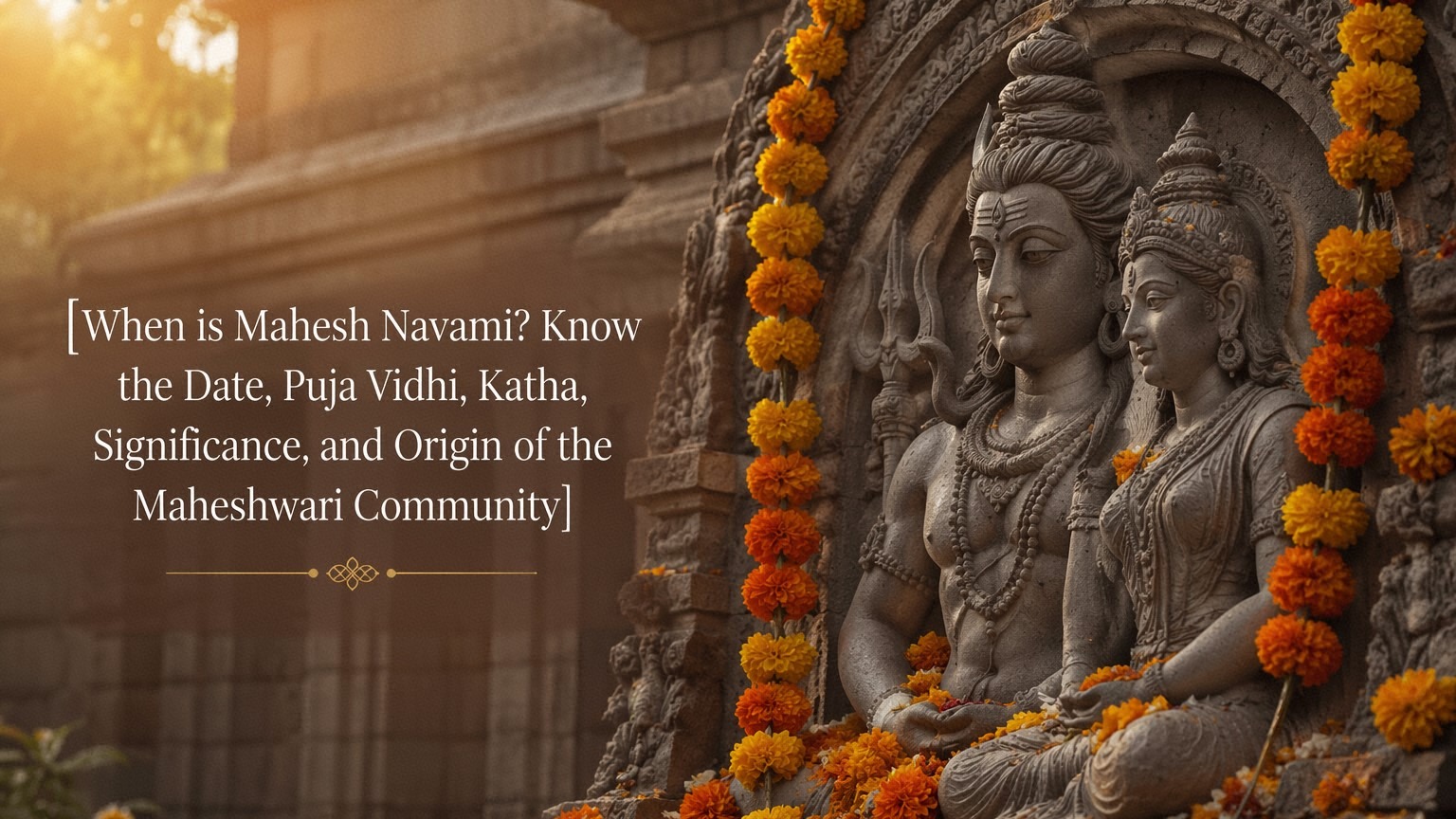
Mahesh Navami is one of the most sacred and meaningful festivals celebrated by the Maheshwari community across India. Every year, devotees wait eagerly for Mahesh Navami to honor the blessings of Lord Shiva and Goddess Parvati while remembering the spiritual origin of their community. This special occasion is not only about rituals and prayers, but also about faith, unity, and cultural pride. From colorful celebrations to traditional customs, Mahesh Navami holds deep emotional and religious importance for millions of people.
If you are wondering when Mahesh Navami will be celebrated, its puja timings, katha, and spiritual significance, you are in the right place. In this detailed guide, you will discover the exact date of Mahesh Navami, the proper puja vidhi, and the inspiring story connected to the origin of the Maheshwari community. Whether you celebrate Mahesh Navami every year or are learning about it for the first time, this festival beautifully reflects devotion, values, and the rich traditions passed down through generations.
When is Mahesh Navami in 2026?
Mahesh Navami is celebrated on the Navami Tithi of Shukla Paksha during the month of Jyeshtha. In 2026, this sacred festival will be observed on Tuesday, 23 June 2026. The day is dedicated to the worship of Lord Shiva and Goddess Parvati and is also linked with the origin of the Maheshwari community.
Mahesh Navami 2026 Date and Time
• Mahesh Navami: 23 June 2026, Tuesday
• Navami Tithi Begins: 22 June 2026 at 3:41 PM
• Navami Tithi Ends: 23 June 2026 at 4:40 PM
What is Mahesh Navami?
Mahesh Navami is observed on the Navami Tithi of Shukla Paksha in the holy month of Jyeshtha. On this special day, devotees worship Lord Shiva and Goddess Parvati with great faith and devotion. Many people also perform Jalabhishek on the Shivling and visit Shiva temples to seek blessings from Mahadev.
According to Hindu beliefs, Mahesh Navami is considered the day when Lord Shiva created the Maheshwari community. Because of this belief, the festival is celebrated with great importance by people belonging to the Maheshwari society. The community is also believed to have connections with Rajput ancestry.
Many well-known surnames are found in the Maheshwari community, such as Malpani, Kakani, Partani, Gaggar, Sabu, Somani, Soni, Birla, Jhanwar, Rathi, Kalyani, Bajaj, Damani, Jaju, Mundada, Biyani, Samdani, Binani, Kabra, Pachisia, and several others.
On Mahesh Navami, devotees offer prayers to Lord Shiva along with Goddess Parvati, Lord Ganesha, and Kartikeya. Flowers, fruits, sweets, and other offerings are presented with devotion while bhajans and Shiva prayers are recited in temples and homes.
It is believed that worshipping Lord Shiva on Mahesh Navami brings peace, happiness, and prosperity into life. Taking a bath with Ganga water on this day is also considered highly sacred and spiritually purifying.
Religious beliefs say that a pure and calm mind stays away from negativity, and the blessings of Mahadev always remain with sincere devotees. It is also believed that donating food, clothes, or money on this holy day brings spiritual benefits and divine blessings.
How to Please Lord Mahesh?
People of the Maheshwari community worship Lord Mahesh, another name for Lord Shiva, through prayers, chanting, fasting, yajnas, and devotional rituals. Devotees believe that offering sincere prayers to Mahadev on this day helps remove difficulties and brings positive energy into life.
Performing Rudrabhishek on Mahesh Navami is considered very auspicious. According to religious beliefs, devotees who perform Rudrabhishek with true devotion receive the blessings of Lord Shiva and are blessed with success, peace, and prosperity.
Mahesh Navami Puja Vidhi
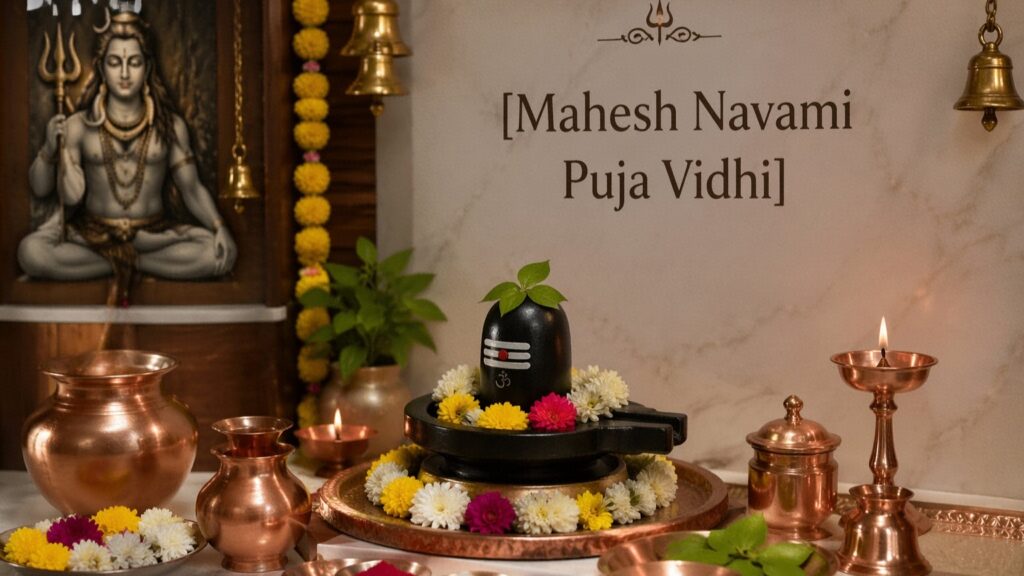
The method of worship may be different in every region and family tradition. Devotees can perform puja according to their customs and beliefs. Below is a simple and commonly followed puja method through which devotees worship Lord Shiva and seek his blessings with devotion.
What Should Be Done Before Puja?
On the Navami Tithi of Shukla Paksha in the Jyeshtha month, wake up early in the morning and complete your daily routine after taking a bath. Wear clean clothes and keep your mind calm and pure before starting the puja. Those who wish to observe a fast should take a sincere vow with devotion.
How to Offer Arghya to Surya Dev?
Before beginning the worship of Lord Shiva, offer water to Surya Dev. According to religious beliefs, offering Arghya to the Sun God brings positivity, inner strength, and good fortune into life.
How to Worship Lord Shiva and Goddess Parvati?
After offering water to Surya Dev, visit a Shiva temple or worship the Shivling at home. Offer flowers, fruits, Akshat, Dhatura, milk, curd, Panchamrit, and Kumkum to Lord Shiva and Goddess Parvati with full faith and devotion.
Which Mantra Should Be Chanted on Mahesh Navami?
Devotees may listen to or recite stories related to Lord Shiva and read Shiv Chalisa during the puja. If there is less time, chanting the sacred mantra “Om Namah Shivaya” 108 times is considered highly beneficial. It is believed that this mantra brings peace of mind, spiritual energy, and positive thoughts.
How to Perform Fast and Aarti?
Offer bhog to Lord Shiva and perform the Aarti with devotion while praying for happiness, health, and prosperity. Devotees observing the fast should spend the day in prayer and devotion. In the evening, after Aarti, fruits and light fasting meals can be eaten. The vrat is completed the next day through the Parana ritual.
Importance of Traditional Puja Methods
This is a simple and widely followed method of worshipping Lord Shiva on Mahesh Navami. Puja rituals may vary from one region and family to another. Therefore, devotees should follow their traditional customs and family practices while worshipping Mahadev with true faith and devotion.
Story of the Origin of the Maheshwari Community
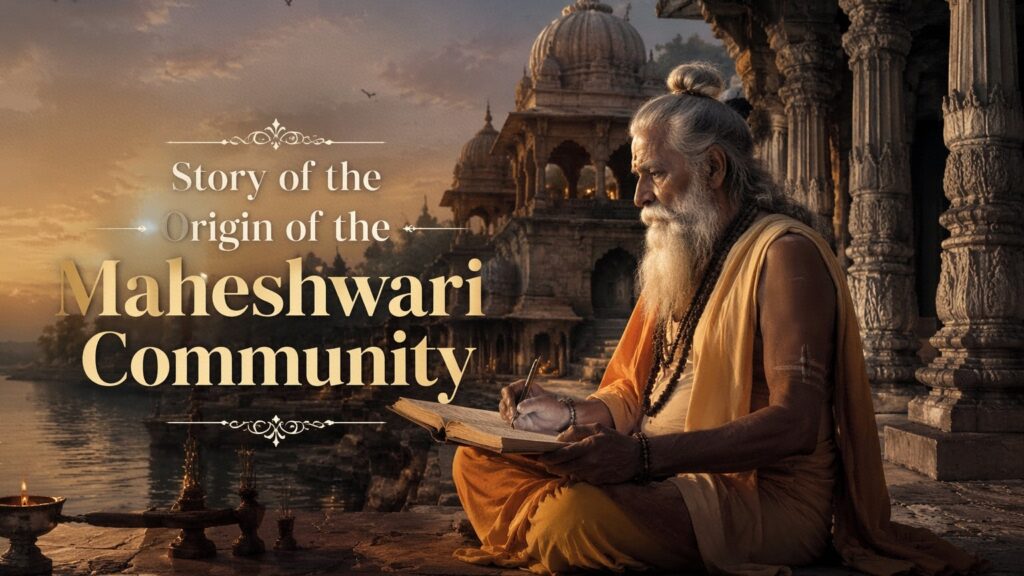
Long ago, there was a kind and religious ruler named King Khandelsen who lived in Khandelgram in Rajasthan. He had two beautiful queens, but he had no children, which caused him great sadness. Even though the king performed many yajnas and helped poor people through charity and donations, he still remained childless.
One day, the king shared his pain with Maharishi Yajnavalkya. The sage felt pity for the king and revealed that his suffering was the result of a curse from his previous birth. Maharishi Yajnavalkya explained that in his past life, the king had hunted animals and sold meat for a living.
During that life, he once killed a pregnant deer while hunting. Before dying in pain, the deer cursed him that he would remain without children in his next birth.
After realizing his mistake, the king sincerely repented for his sins and went to the holy place of Pushkar for penance. Due to the spiritual merit earned there, he was reborn as a king in this life. Maharishi Yajnavalkya then told him that there was still a way to remove the curse and receive blessings.
Installation of the Shivling and Worship of Lord Shiva
Maharishi Yajnavalkya informed the king that near a kingdom called Bhaskar stood a large Peepal tree. Beneath that tree, a sacred Shivling was buried underground. The sage advised the king to uncover the Shivling, build a beautiful temple there, and worship Lord Shiva daily with full devotion.
The king followed the sage’s instructions with complete faith. He built the temple, installed the Shivling properly, and started offering prayers and rituals to Lord Shiva every day. Pleased with the king’s true devotion, Lord Shiva finally blessed him with a son.
Birth of King Sujansen and His Rule
The king named his son Sujansen and raised him with great care and affection. When Sujansen grew older, King Khandelsen arranged his marriage with Princess Chandravati, the daughter of King Yuddhveer. After handing over the kingdom to his son, King Khandelsen left worldly life and went to the forest to live a spiritual life as a saint.
King Sujansen and the Hunting Journey with 72 Soldiers
One day, King Sujansen went hunting in the forest with his 72 soldiers. After wandering for a long time, all of them became very hungry and thirsty. While searching for food and water, they noticed the smell of delicious food coming from nearby.
The king and his soldiers followed the fragrance and reached a place where several sages were performing a yajna for Lord Shiva. Without thinking carefully, they started eating the food prepared for the sacred ritual. They also drank water from the holy pond used for the yajna and cleaned their dirty weapons there.
The Curse of the Sages and the Transformation into Stone
The actions of the king and his soldiers disturbed the prayers and meditation of the sages. Angered by the disrespect shown during the sacred ritual, the sages cursed King Sujansen and all his soldiers to turn into stone immediately.
Worship of Lord Shiva by the Queen and the Soldiers’ Wives
Back in the kingdom, the queen and the wives of the soldiers waited anxiously for their husbands to return. When they could no longer bear the pain of separation, they went together to Maharishi Jabali for guidance.
The sage explained everything that had happened in the forest and advised them to worship Lord Shiva with true faith and devotion. He assured them that their sincere prayers could help bring their husbands back.
Arrival of Lord Shiva and Goddess Parvati on Earth
The deep devotion of the women and the prayers of the sages pleased Lord Shiva. Mahadev told Goddess Parvati that his devotees on Earth were worshipping him with great faith, and he must go there to fulfill their prayers.
Goddess Parvati did not wish to stay away from Lord Shiva and insisted on accompanying him to Earth. Even though Lord Shiva tried to convince her otherwise, she remained firm in her decision, and finally he agreed to take her along.
Goddess Parvati Restored the Stone-Cursed Men to Life
As Lord Shiva and Goddess Parvati traveled toward the sages’ ashram, they came across the queen and the soldiers’ wives praying with tears in their eyes. Seeing their sorrow, Goddess Parvati asked Lord Shiva why the women were suffering so deeply.
Lord Shiva then narrated the entire story to her. After hearing about the pain of the women, Goddess Parvati felt great compassion and requested Lord Shiva to restore their husbands back to life.
Lord Shiva initially tried to continue the journey, but Goddess Parvati would not leave the grieving women behind. She lovingly said that just as she herself could not remain separated from Lord Shiva, these women also could not live without their husbands. She requested Mahadev to end their suffering.
How Did the Maheshwari Community Originate?
Unable to refuse Goddess Parvati’s heartfelt request, Lord Shiva decided to forgive King Sujansen and his soldiers. He brought the king and all 72 soldiers back to life through his divine power.
Lord Shiva then advised the king that misuse of power and sinful actions always lead to suffering. He declared that from that day onward, Sujansen and his followers would be known as “Maheshwaris.”
Mahadev also instructed them to leave behind violence and the Kshatriya way of life. Instead, they were told to follow the peaceful path of the Vaishya community and live with honesty, kindness, and non-violence.
Significance of Mahesh Navami
According to religious beliefs, devotees who worship Lord Shiva and Goddess Parvati on Mahesh Navami receive divine blessings and relief from troubles and hardships. Visiting Shiva temples and offering sincere prayers on this day is believed to fulfill wishes and bring peace and happiness into life.
Performing Rudrabhishek on Mahesh Navami is considered highly sacred and beneficial. Devotees also chant Shiva mantras and recite Shiv Chalisa to seek the blessings of Mahadev, positive energy, and spiritual peace.
FAQs
When is Mahesh Navami in 2026?
Mahesh Navami will be celebrated on Tuesday, 23 June 2026. The festival falls on the Navami Tithi of Shukla Paksha in the Jyeshtha month.
Why is Mahesh Navami important for the Maheshwari community?
Mahesh Navami is believed to mark the origin of the Maheshwari community through the blessings of Lord Shiva. The day is celebrated with devotion, prayers, and spiritual rituals.
Which God is worshipped by Mahesh Navami?
On Mahesh Navami, devotees mainly worship Lord Shiva and Goddess Parvati. Many people also perform Rudrabhishek and chant “Om Namah Shivaya” for divine blessings.
What are the main rituals performed on Mahesh Navami?
The main rituals of Mahesh Navami include fasting, Jalabhishek of Shivling, Shiva puja, mantra chanting, and offering fruits, flowers, and Panchamrit to Lord Shiva.
Can anyone observe Mahesh Navami fast and puja?
Yes, anyone can observe the Mahesh Navami vrat and worship Lord Shiva with devotion. It is believed that sincere prayers on this day bring peace, positivity, and prosperity.
Conclusion
Mahesh Navami is not just a religious festival but also a symbol of faith, devotion, and cultural heritage. This sacred day reminds devotees of the blessings of Lord Shiva and the spiritual origin of the Maheshwari community. From fasting and Rudrabhishek to chanting Shiva mantras, every ritual of Mahesh Navami carries deep spiritual meaning. Celebrating this holy occasion with devotion is believed to bring peace, prosperity, and positive energy into life.
As Mahesh Navami 2026 approaches, devotees can prepare to celebrate the festival with prayers, charity, and traditional rituals. Learning about the puja vidhi, katha, and significance of Mahesh Navami helps people connect more deeply with its spiritual values and traditions. Whether you belong to the Maheshwari community or simply wish to seek the blessings of Mahadev, this sacred festival offers a beautiful opportunity to strengthen faith and devotion.
